


About Circus of Maxentius
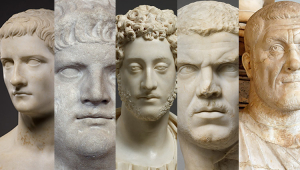
The Circus of Maxentius (Circo di Massenzio), in southern Rome, Italy, is part of a complex of ancient buildings commissioned by emperor Maxentius. While the Circus of Maxentius may have been much smaller than the Circus Maximus – only holding approximately 10,000 spectators compared to the Maximus’ 150,000 – today it has its revenge by being far better preserved that its grander counterpart.
Circus of Maxentius history
Located on the famous Via Appia, the Circus of Maxentius was built sometime during the reign of the Emperor Maxentius between 306 and 312 AD. Some say that the reason for its excellent preservation was the fact that it was barely used, if at all. The only recorded games at the Circus of Maxentius were its inaugural ones, held in honour of Maxentius’ son Valerius Romulus who died very young in 309 AD.
The Circus of Maxentius was excavated in the 19th century by Italian archaeologist, Antonio Nibby, who found the inscription ‘divine Romulus’ that linked the structure to Maxentius. The spina running down the track was exactly 1000 Roman feet long (296 metres) and would have been covered in marble. At the east end of the track was (and remains) a small triumphal arch.
After the death of Maxentius’ son, the circus became a funeral monument: the inaugural games became funeral games and Romulus was laid to rest in the mausoleum. The villa and circus complex was later taken by Constantine the Great after defeating Maxentius at the Battle of the Milvian Bridge, 3 years later.
Circus of Maxentius today
Today, some of the structures in the complex of which the Circus of Maxentius formed a part still stand, together with its central dividing line – spina – and its entrance towers. It would have been the site of the villa of Maxentius.
The site is still under excavation, but is open to the public, who enter via the west end of the circus by the imposing towers still stand, which once held a mechanism to raise the starting gates for chariot races.
There are information panels dotted about as you wander the dramatic ruins of the villa and circus surrounded by well-kept gardens and lush greenery, hinting at the site’s former grandeur. Plus, visiting is without charge, so the Circus of Maxentius is a must-see.
Getting to the Circus of Maxentius
If walking the famous Appian Way, then the Circus of Maxentius is around 3 miles from the trail’s beginning. Otherwise, buses 118 and 660 stop at Appia Pignatelli which will take you from or to the Colosseum.