


About Wyndcliffe Court
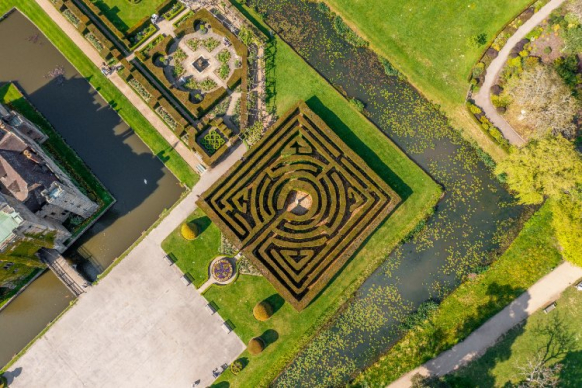
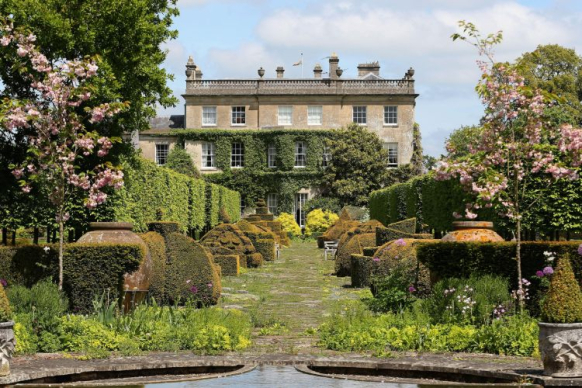
Wyndcliffe Court is a Grade II-listed house with a large, picturesque garden, situated in Monmouthshire, Wales.
History of Wyndcliffe Court
The house was built in 1922 by Charles Leigh Clay, who owned a shipping company in Cardiff, Wales. The design was undertaken by Eric Francis, a successful architect, while the gardens were developed by Francis and Henry Avray Tipping, the Architectural Editor of Country Life magazine for over 20 years and an avid follower of garden design.
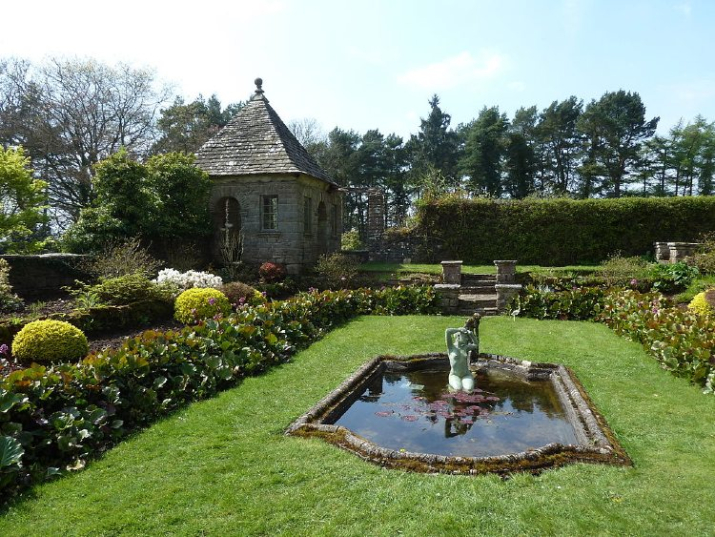
Stylistically, the gardens used elements of both the Italianate and Arts and Crafts architectural movements. Its features include a lily pond, sunken garden, bowling green, rose garden, ponds, sculpted topiary, a summerhouse, fountain, kitchen garden, and connections to nearby woodland surrounding the site.
Wyndcliffe Court today
The house now belongs to Anthony and Sarah Clay, who open the gardens to the public every year, from May to September. Flora-wise, look out for anything from foxgloves to sweet pea to rhubarb. The house offers a ‘gardening school’ programme, featuring agricultural workshops that teach guests about different gardening techniques and horticultural tips. There have also been exhibitions of contemporary British sculpture on display in the gardens, as well as pre-existing garden sculptures.
Getting to Wyndcliffe Court
Wyndcliffe Court and Gardens are set between the town of Chepstow and the village of Tintern, in Wales, approximately three miles from each. If driving, a signpost on the A466 road announces the turn-off for Wyndcliffe. There is a rail station in Chepstow.
Featured In

8 of the Best Historic Sites in Monmouthshire
From a romantic ruined abbey to the only remaining medieval fortified river bridge in Britain, Monmouthshire is home to a wealth of historic sites.

6 Secret Historic Gardens in the United Kingdom
Here are our picks of some unknown English gardens that are a little off the beaten track.