


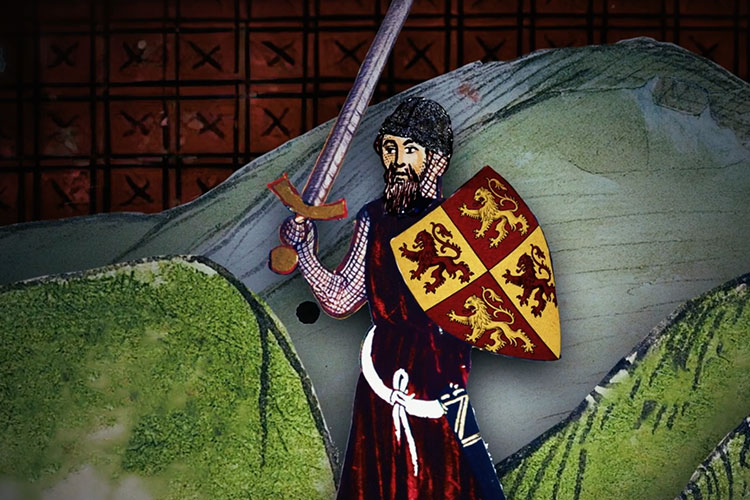

On 16 September 1400, a minor Welsh lord in his late forties named Owain Glyndŵr was proclaimed the Prince of Wales by a secret meeting of loyalist Welsh lords at Glyndyfrdwy. It was an astonishing act of treason – a direct challenge to the English crown, which had already claimed the title for the English heir to the throne. But this was more than an act of defiance; it was the spark that ignited a 15-year-long bloody rebellion that not only united the Welsh but threatened the very existence of England itself.
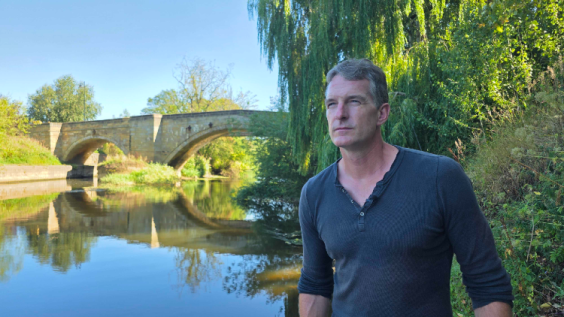
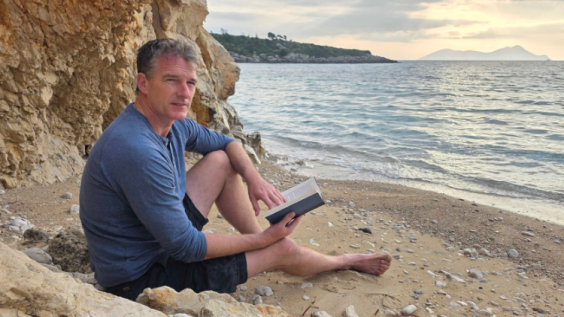
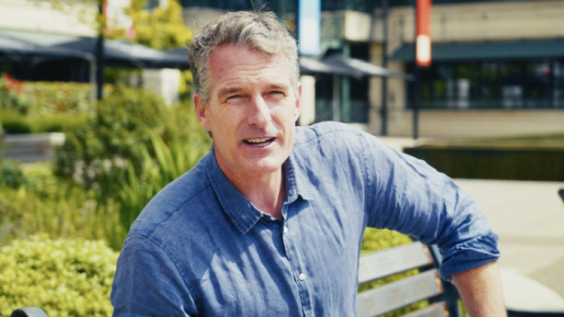
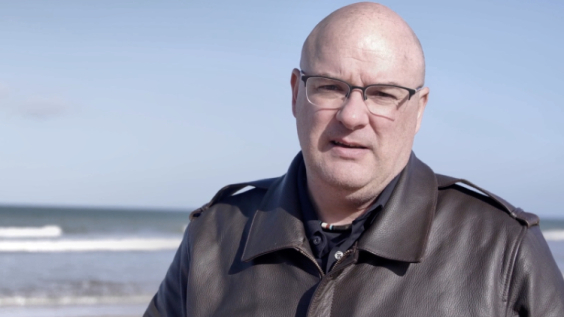
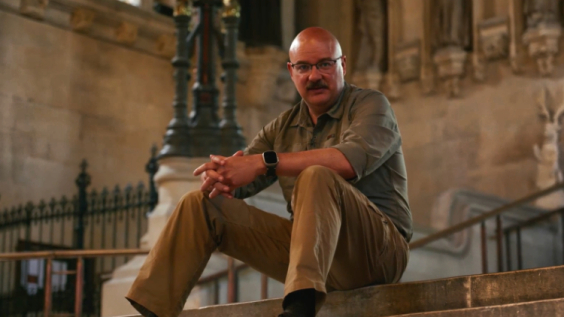
In History Hit’s new documentary, Rebels: Owain Glyndŵr, Professor Michael Livingston, an American conflict analyst, journeys across Wales to uncover the truth behind this extraordinary figure. Michael explores the landscapes and speaks to experts, revealing the deep political and personal grievances that drove a respected lord to become a legendary rebel who almost tore the British Isles apart.
 Watch Now
The spark: a personal affront
For centuries, the English had treated the Welsh as second-class citizens in their own homeland. Since the conquest by Edward I in 1283, English lords had ruled Wales from a “ring of iron” – massive, imposing castles built to stamp out Welsh identity.
Yet, the initial spark for Glyndŵr’s rebellion wasn’t a grand political vision, but a simple, deeply personal dispute. Owain, a loyal subject of the Crown (who had actually fought for Richard II) and a prosperous Welsh lord, had a land dispute with his powerful English neighbour, Reginald de Grey of Ruthin. When the new King, Henry IV, sided with the English lord – a friend – against Owain, it was a step too far. This affront to land held by Owain’s family for generations was the catalyst.
Just two days after being proclaimed Prince of Wales, Owain’s men swept into North Wales, burning the English-held town of Ruthin to the ground. This wasn’t senseless violence; it was a targeted act of rebellion against English authority in a land that had suffered under colonisation for decades. Towns like Ruthin may have been Welsh and filled with Welsh people, but the men in charge were English.
Over the course of a few days, towns across North Wales (such as Denbigh, Rhuddlan and Flint) were destroyed, sending a message that this was Welsh land and the English were no longer welcome. The rebellion spread like wildfire.
The making of a guerrilla army
The English initially dismissed the rebellion, but quickly realised their mistake. King Henry IV, a usurper facing dissent from every corner of his kingdom, was ill-equipped to fight a Welsh rebellion that quickly morphed from a local squabble into a fight for national destiny.
By the middle of 1401, much of North and Mid-Wales supported Glyndŵr’s rebellion. King Henry sent several forces into Wales but Owain’s guerrilla army easily melted into the Welsh mountains, forcing the English to fight a seemingly invisible enemy.
In the documentary, Michael explores how this rebel army armed itself, visiting blacksmith Will Sherman to examine how a common agricultural tool – the bill hook – was easily and quickly sharpened into a deadly weapon, and highly effective against the slow-moving, heavily equipped English forces. Nevertheless, English noblemen began to gather their own forces to defend themselves against the Welsh threat.
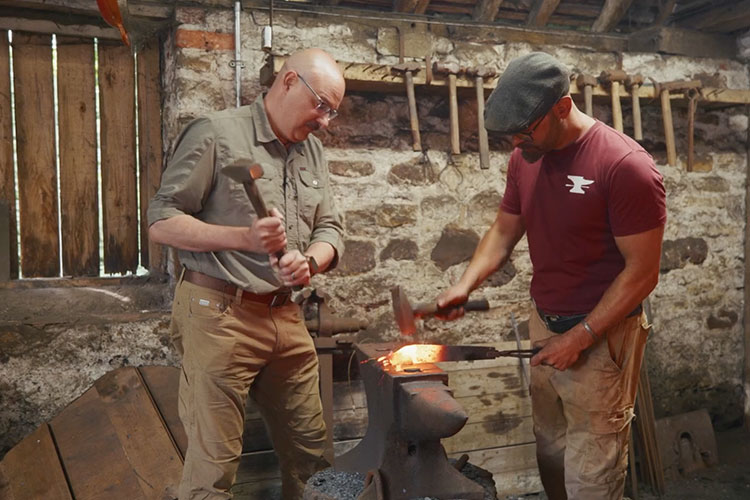
Professor Michael Livingston assists blacksmith Will Sherman in creating a bill hook tool
Image Credit: History Hit
In 1402, Owain burnt down the border town of Knighton, which lay in territory owned by Sir Edmund Mortimer, one of the most powerful men in England. Sensing an opportunity to end the rebellion, Mortimer gathered a large English force of 2,000 men and pursued Owain’s men, numbering 1,500. Subsequently the rebellion came to a head on 22 June 1402, at the Battle of Bryn Glas. Cornered by Mortimer’s forces, Owain expertly retreated his men up a steep hill to set a devastating trap, preparing for battle.
In the programme, Michael visits the dramatic battlefield at Bryn Glas. This was one of the first battles Michael ever reconstructed, starting him on his career course, but despite having been to Bryn Glas multiple times, this is the first time Michael has been able to use a drone to analyse the terrain and reveal the trap Owain had laid.
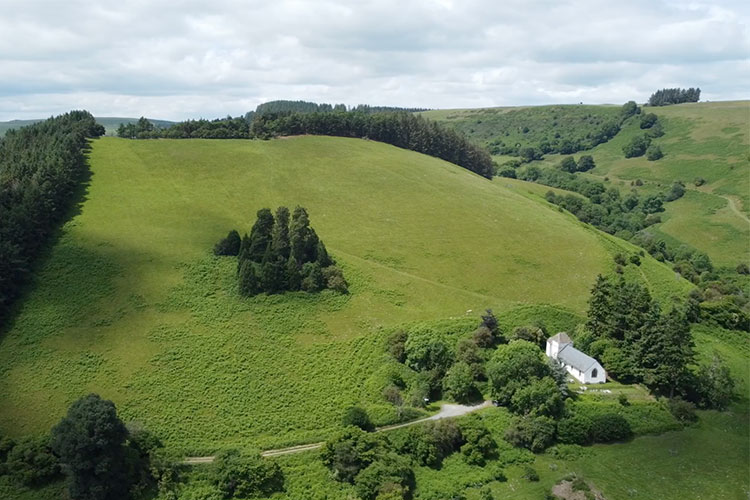
The battle site of Bryn Glas, filmed with Professor Michael Livingston’s drone.
While half Owain’s men were at the top of the hill, the other half were hidden in a deep ravine, next to a river that passed up the valley along the side of the hill. When the English were finally provoked enough to charge up the slope, they were met with a deadly hail of projectiles from above, before the hidden Welsh troops swept around to attack their flank. The victory was a massive propaganda coup: Owain had destroyed an English army and captured one of the greatest lords in the realm. The rebellion now had a real chance, with men flocking to Owain’s banner.
The vision of a new Wales
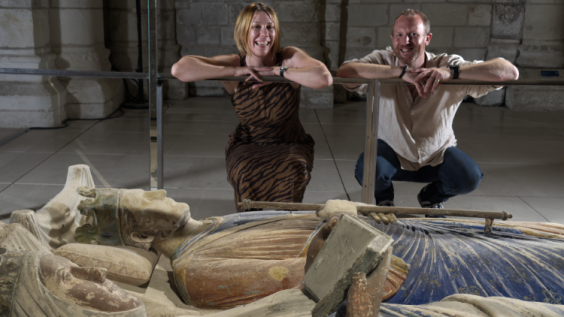
The English responded to the terror of Bryn Glas with panicked laws designed to suppress Welsh culture and movements, but these only fuelled the cause. Michael meets Dr Jessica Nelson, Head of Collections at the National Archives in Kew, where they study a parliament roll from Henry IV’s reign filled with petitions to suppress the Welsh, showing the depths of English fear.
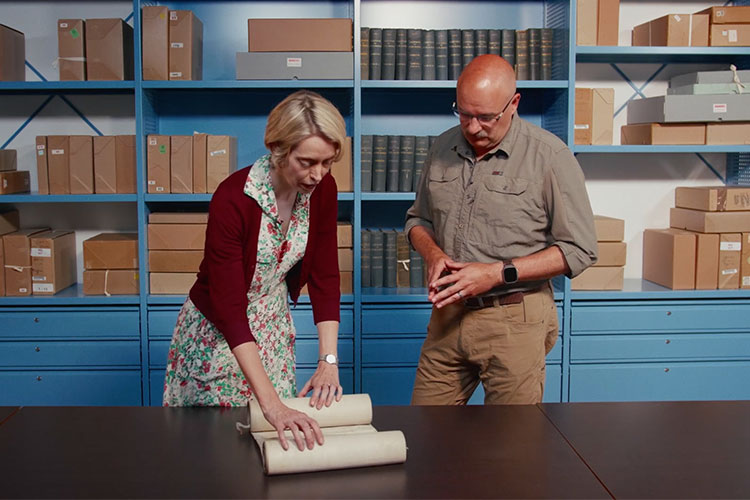
Dr Jessica Nelson, Head of Collections at the National Archives in Kew, shows Professor Michael Livingston a parliament roll listing English demands regarding the Welsh.
Image Credit: History Hit
With swelling support, Owain captured the mighty Harlech Castle. Built by Edward I to symbolise English dominance, Harlech Castle had stood, as Michael puts it, ‘as an English island in a Welsh sea’. Michael talks to Dr Rhun Emyln, Medieval Historian at Aberystwyth University, to unpick how Owain captured it in 1404, and to discuss more about how this was not just a military victory; it was a powerful symbolic statement that solidified Owain’s claim as Prince of Wales.
Owain’s ambition grew far beyond military conquest. That same year, he convened the very first Welsh parliament at Machynlleth. There, he laid out his grand vision for an independent Wales, including a Church of Wales, new universities, and a robust foreign policy. Michael examines Owain’s great seal, a powerful symbol used on his official documents sent across Europe, conveying a clear message: this was a man who could govern and could fight.
As Professor Michael Livingston states, “The vision of Owain Glyndŵr for his new Wales is something that I think really sets him apart from other rebels. It’s one thing to try to take power, but quite another to then know what to do with it.”
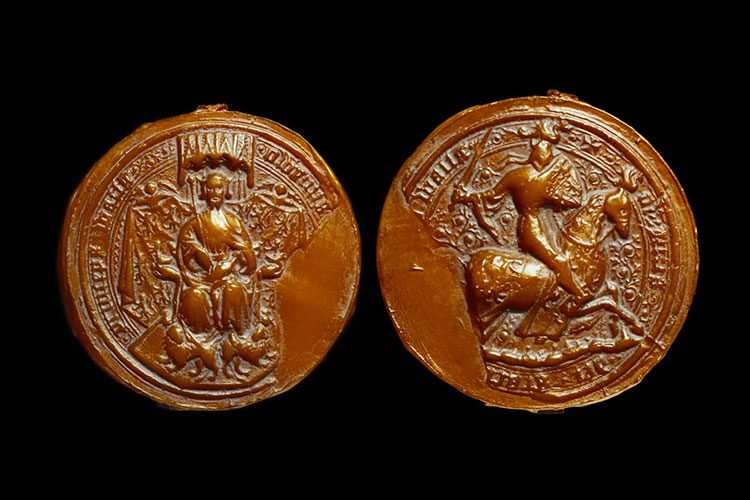
The seal of Owain Glyndwr
The final showdown
Sensing England’s weakness, Owain made a powerful alliance with two key English conspirators – his former captive, Edmund Mortimer, and Henry Percy, 1st Earl of Northumberland – to fully realise his dream. In February 1405 at Tuckhill, the three met to discuss Owain’s plans to re-write the English borders. This led to the Tripartite Indenture, a radical document that planned not only to overthrow Henry IV but to carve up the British Isles, changing the map of England forever.
Owain had also made another alliance with France, one of the largest and most powerful nations in Europe. With their support, Owain could turn the Tripartite Indenture into reality. In August 1405, a powerful force of French soldiers landed in Wales and marched with Glyndŵr’s men into England. They faced Henry IV’s desperate army across a valley at Woodbury Hill.
For days, the two armies stood ready for the showdown that would decide the fate of Britain. Yet, for reasons unknown, the battle never happened. The armies retreated, and Owain’s rebellion began its long, slow decline.
Owain continued the fight for at least another 5 years, but with waning support and renewed pressure from the English. The hope for an independent Wales had gone. Owain’s English conspirators died shortly afterwards – Northumberland died in battle against a royal army in 1408, and Mortimer died during a siege at Harlech Castle in 1409.
Owain Glyndŵr was never caught, never turned himself in, and was never betrayed. He was last seen by his enemies in 1412 leading an ambush against troops loyal to the English King. After this, he simply disappeared, his final fate unknown. This mysterious end only cemented his legacy. He was lauded by figures like Fidel Castro and Che Guevara as the original guerrilla fighter, and remains today a potent figure of Welsh nationalism.
Join Professor Michael Livingston to explore the epic tale of the man who led a 15-year fight for freedom in Rebels: Owain Glyndŵr.