


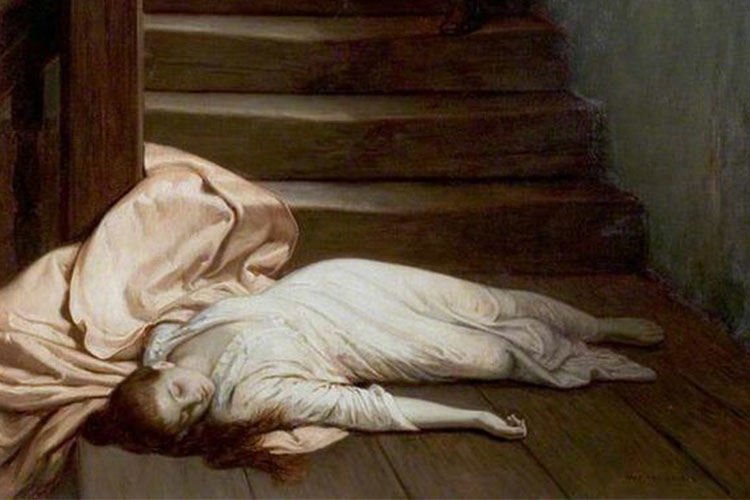

On 6 September 1560, a quiet country house in Oxfordshire, Cumnor Place, became the stage for a shocking and scandalous tragedy. The body of Amy Dudley, wife of Queen Elizabeth I’s closest friend and potential suitor, Robert Dudley, was found at the bottom of a flight of stairs with a broken neck and two deep wounds to her head.
Was it a tragic accident? A desperate suicide? Or something far more sinister?
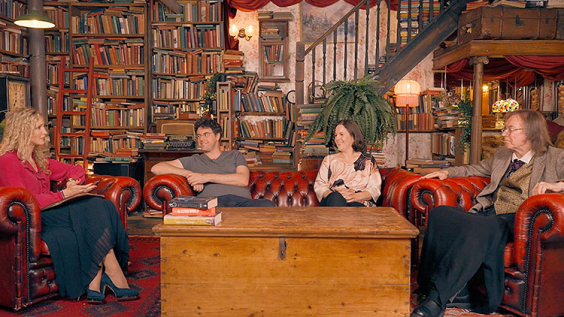
In this special episode of the Tudor True Crime mini-series on History Hit’s podcast, Not Just the Tudors, Professor Suzannah Lipscomb steps into the shadows to investigate one of the most enduring mysteries of the Elizabethan age. She is joined by historian Dr Joanne Paul to sift through the evidence and the gossip, exploring why Amy’s death was a scandal that could have brought down a queen.
 Listen Now
Subscribe to Not Just The Tudors
A marriage under scrutiny
Amy Dudley (née Robsart) had the unfortunate distinction of being the main obstacle to the most scandalous potential romance in Tudor England. Married to Robert Dudley since they were teenagers, the couple’s relationship had been a complex one. While some sources suggest it was a genuine love match, the marriage came with significant political and economic advantages.
However, as Joanne explains, with the arrival of Elizabeth I on the throne in 1558, everything changed. Robert Dudley became Elizabeth’s Master of the Horse, a position of unparalleled closeness, and the two were inseparable. Rumours began to fly across Europe that the queen was courting him, and that he might even become her king. But there was one problem: his wife.
Amy and Robert had spent a significant amount of time apart since the beginning of Elizabeth’s reign. After more than a decade of marriage, they also remained childless, a significant pressure in an era where producing a family heir was paramount. There was also one fragment of a rumour that she may have had breast cancer. Amy had even been seen by her servants as deeply unhappy, praying nightly to be “delivered from her troubles.” This adds a haunting layer of tragedy to the events that would follow.
The day of her death
The circumstances of Amy’s death are as strange as they are suspicious. On that fateful day, Amy rose early and insisted that all of her servants leave the house to attend a nearby fair. Despite their protests, she became angry and demanded that they all go, leaving her completely alone. When the servants returned, they found her dead.
A coroner’s inquest was immediately called, and while it concluded her death was an accident, the details of the report raise more questions than they answer. Joanne reveals how the report, only rediscovered in 2008, notes not just the broken neck, but also two head wounds, one of which was an astonishing two inches deep.
Why were these head injuries downplayed by the coroner, John Pudsey, as the potential cause of death? Could these injuries have been sustained from a fall? Or did something else happen before she went down the stairs?
Adding to the mystery is the account of Robert Dudley’s servant, Thomas Blunt, who was sent to investigate the death. His letters to Dudley reveal a town alive with gossip, and a nervous maid, Mrs Picto, who, in a slip of the tongue, denied the possibility of murder or suicide, then immediately tried to take back her words, saying “If you so should gather I’m sorry I said so much”.
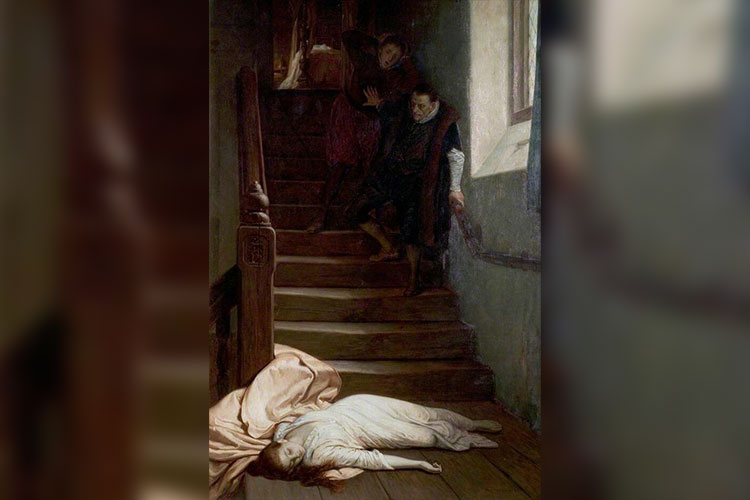
The Death of Amy Robsart, as imagined by Victorian artist William Frederick Yeames, 1877
Tragic accident, suicide or murder?
The podcast delves into the possibilities of a tragic accident, suicide or murder, and the powerful motives behind a potential cover-up.
Suicide in the 16th century was considered a mortal sin, a betrayal of God’s gift of life that would lead to the posthumous conviction and excommunication of the deceased. It was a shame so profound that it would disgrace an entire family. This gives a great incentive for the coroner’s jury to rule Amy’s death an accident, even if they suspected otherwise.
But what about murder? Joanne explains that while Amy’s death didn’t immediately lead to a marriage with the Queen, it did end up benefiting one of the most powerful men in England: William Cecil. Before news of Amy’s death had even reached London, Cecil was already spreading rumours that she would be killed. The Spanish ambassador himself seemed convinced of a conspiracy.
Cecil, a man with a political, calculating mind, feared the prospect of Elizabeth marrying Dudley – a man whose family had been executed for treason. Cecil stood to gain a great deal from Dudley’s downfall, and he famously swooped in after Amy’s death to “comfort” him, a move that would lead to a much closer relationship between the two.
As Joanne explains to Suzannah, when studying the Tudors, it helps to “follow the power”, later pointing out how “it all seems to work out for Cecil in a way that if he didn’t plan it, it looks like he did”.
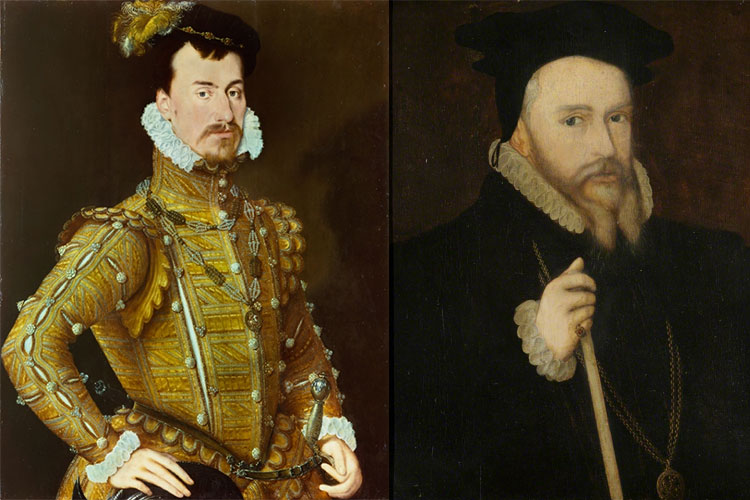
Left: Robert Dudley, c. 1560; Right: Portrait of William Cecil, c. after 1570
Image Credit: Left: Attributed to Steven van der Meulen; Right: National Trust / Croft Castle. Both: Wikimedia Commons / Public Domain
So was it a strategic move by Cecil to disgrace Robert, preventing a potential marriage to the Queen, or something more? The evidence seems to point to a murder conspiracy, a possibility that was widely discussed in the courts of Europe at the time.
But how far can we go with the evidence towards a conclusion – and extrapolating from that evidence, where does Joanne herself, as a historian, end up if she had to make a judgement?
The death of Amy Dudley cuts to the very heart of power in the Tudor court. It reflects on Elizabeth’s choices, her relationship with those closest to her, and the dangers of a world where one person’s life could stand in the way of a powerful monarch’s desires. The mystery of what happened that day at Cumnor Place has never been solved, but the clues, the rumours, and the political machinations all paint a compelling and haunting picture.