



Under Axis occupation during the Second World War, Paris became a key centre for German soldiers’ rest and recreation. Every German soldier was promised ‘Jeder einmal in Paris’ – everyone once in Paris – and many of the city’s buildings were repurposed into German wartime buildings. Sites which both predate and were built after the war make for a fascinating visit for those with an interest in Paris’ involvement in one of the most turbulent and defining periods of the 20th century. Here’s our selection of some of the best.
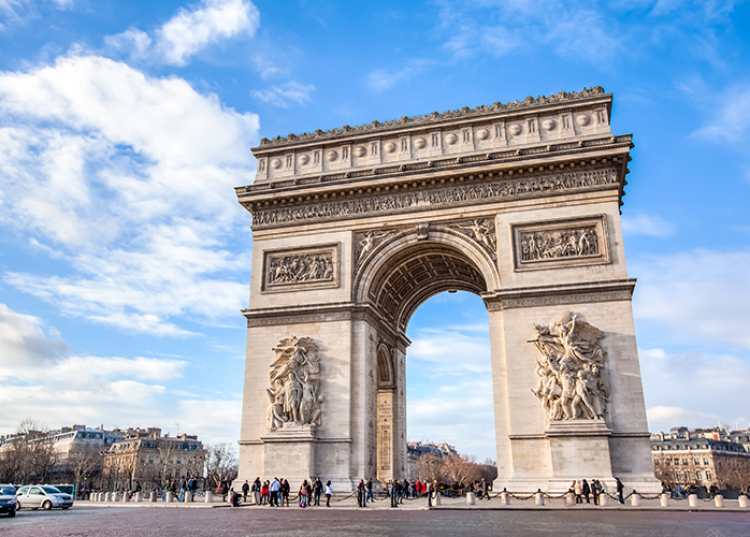
1. Arc de Triomphe
Following years of deprivation, severe food shortages, starvation, roundups, the corruption of the Vichy government, and many more tales of woe besides, the Allies invaded Normandy. This catalysed the Liberation of Paris, which culminated in Charles De Gaulle’s forces entering Paris on August 24, 1944 who managed to quell German snipers firing from tanks and well-known landmarks such as the Hotel de Ville and Notre Dame.
Following a victory, the next day De Gaulle markedly entered Paris under the Arc de Triomphe and down Les Champs Elysees. The Arc de Triomphe became a renewed symbol of France’s resistance to tyranny, with the parade marking the beginning of the suffering Paris had endured beginning to come to an end.
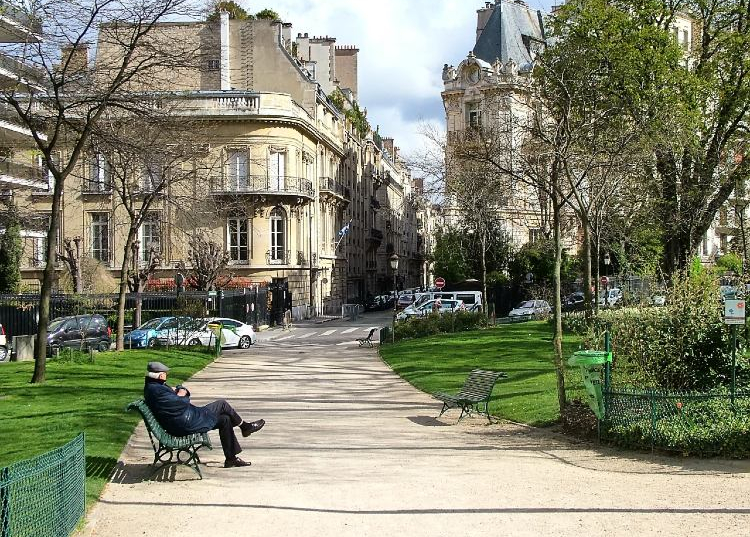
2. 84 Avenue Foch
84 Avenue Foch was one of many buildings which were annexed by the Germans on the same street during the Axis occupation of Paris. 84 Avenue Foch was particularly notorious, becoming the main headquarters for the the ‘Sicherheitsdienst’ (SD), the counter-intelligence branch of the Gestapo.
84 Avenue Foch is also the site of the death of Pierre Brossolette, a major hero of the French Resistance. After regaining consciousness after two days of torture at the hands of the Gestapo, Brossolette was concerned that he would divulge information about the French Resistance, and killed himself by throwing himself out of the sixth floor window. His last words were ‘all will be fine Tuesday’.
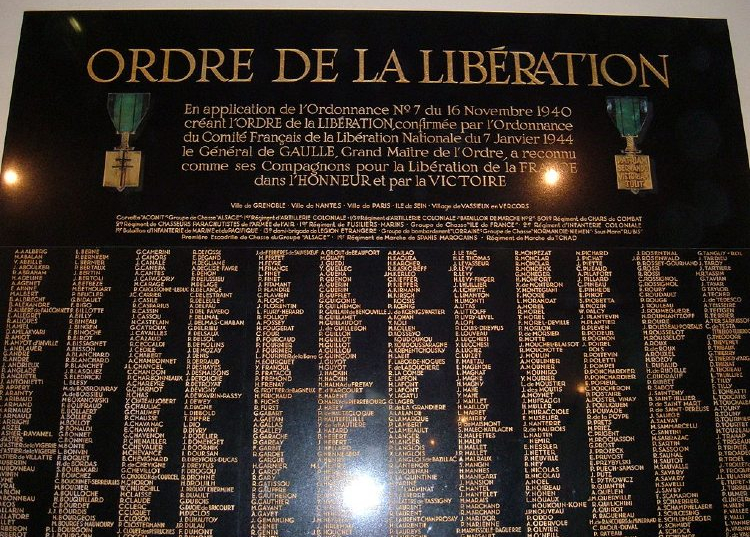
3. Museum Of The Liberation Of Paris
The Museum Of The Liberation of Paris is a newly-opened museum partially located in an air raid shelter and Liberation of Paris headquarters. It documents life during World War Two in Paris and the city’s subsequent liberation.
Today, the voices of Jean Moulin and General Leclerc guide visitors along a path along which over 300 items, original documents, photos, archive videos, and personal accounts which relate to moments of resistance, repression, secret missions, and newfound freedom are displayed.
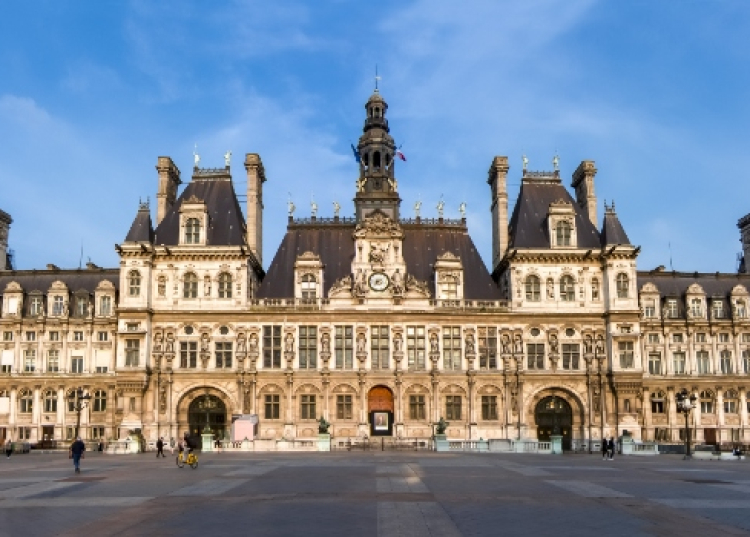
4. Hotel de Ville
The seat of Paris City Council since 1357, Hotel de Ville – which translates to the Paris City Hall – is a neo-renaissance building which is one of Paris’ most enduring landmarks, both because of its history and it having witnessed a number of pivotal historical events.
In 1944, as Paris was being liberated from the Germans, the Hotel de Ville was made the headquarters of the National Council of Resistance. At the climax of the liberation, Charles de Gaulle famously appeared on the balcony and made a speech to a celebrating crowd below.
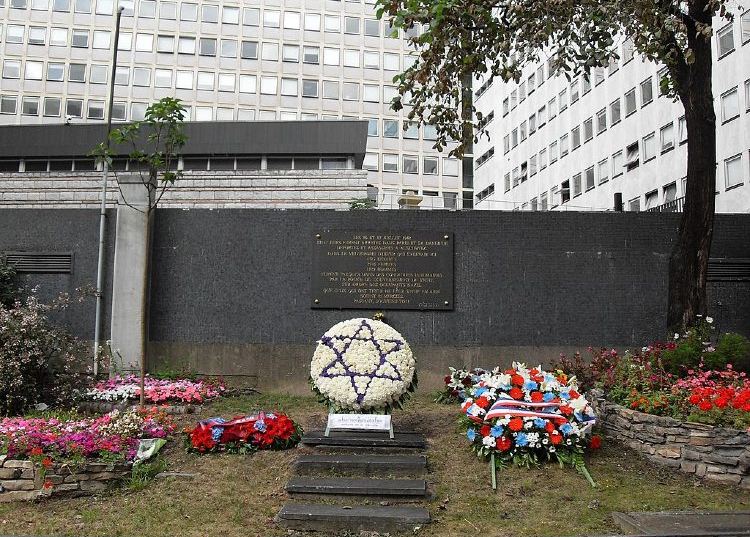
5. Vel’ d’Hiv Roundup Monument
The Vel’ d’Hiv (an abbreviation of Rafle du Vélodrome d’Hiver) was a mass arrest of foreign Jewish families by French police and gendarmes on the orders of the German authorities in July 1942. Over 13,000 Jews were arrested, including more than 4,000 children.
Today, a square and memorial garden in the vicinity of the original stadium pays tribute to the victims of the atrocity. There are further commemorative plaques for the Vél’ d’Hiv roundup and other deportations can be found throughout Paris, particularly on buildings throughout the Marais district, the historic center of the Jewish community.