


About Cowdray House Ruins
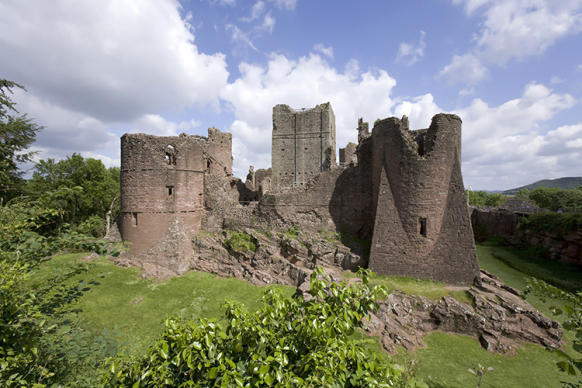
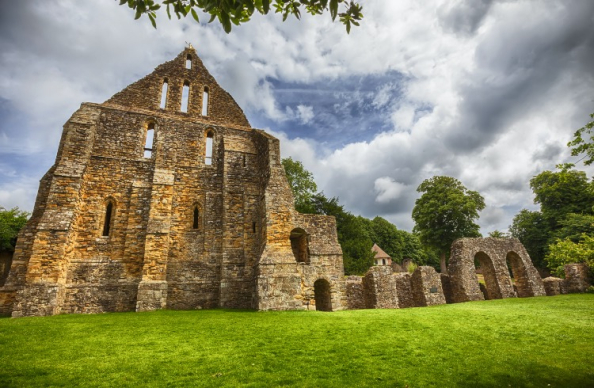
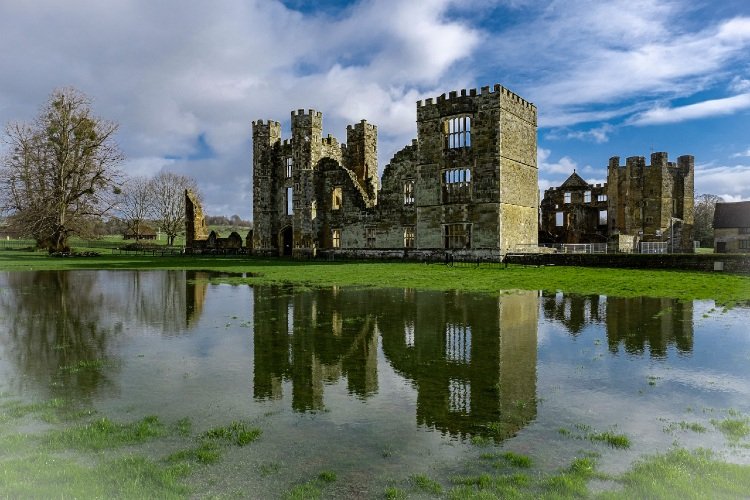
Devastated by fire in the late 18th century, the ruins of Cowdray House are one of England’s most important Tudor houses, and today are Grade I listed due to their historical importance and beauty.
History of Cowdray House Ruins
The original fortified manor house was built between 1273 and 1284 by Sir John Bohun. The house on the site today was likely started by Sir David Owen, who was likely the illegitimate son of Henry VII’s grandfather, upon the death of his wife Mary Bohun. Sir David Owen’s son Henry later sold the estate of Cowdray to Sir William Fitzwilliam.
In 1533, Henry VIII granted a licence for the house to undergo fortification, and for a park to be built, after which 600 acres of meadow, pasture, and woodland were constructed at the site. Henry VIII is known to have visited Cowdray House in 1538, 1539, and 1545.
Though her father may have held Sir Anthony in high regard, Elizabeth I was not so kind, placing Sir Anthony on house arrest at the time of the Spanish Armada in 1588 due to his Catholic faith. Her stance softened, however, since she visited Cowdray herself in 1591.
The house that Elizabeth would have known was gutted by fire in 1793, leaving the house as a picturesque shell, with one of the most imposing Tudor façades in England.
Cowdray House Ruins Today
Today, the ruined house is protected, and owes it still standing to the 1st Viscount Cowdray who commissioned a restoration project between 1909 and 1914. Cowdray ruins remain in the Cowdray family, with the 4th Viscount Cowdray furthering its restoration and preservation. The Cowdray ruins were opened to the public in 2007.
Getting to Cowdray House Ruins
Cowdray ruins are a two and a half hour journey by train and bus from London King’s Cross. By car, they’re a 2 hour drive via the A3. From Brighton, they’re an hour and 15 minute via the A283 road.
Featured In

Elizabeth I sites
Follow in the footsteps of the famous Queen Elizabeth I, from Bath Abbey to Ashridge and more.

Unique Abandoned British Sites for Photographers
Abandoned sites offer great opportunities for photographers. Come and explore some of the most photogenic ones in Britain.

West Sussex Historic Sites
Here are 10 unmissable heritage attractions in the county of West Sussex, from Iron Age hillforts to dazzling Roman palaces.