



About Cranborne Chase
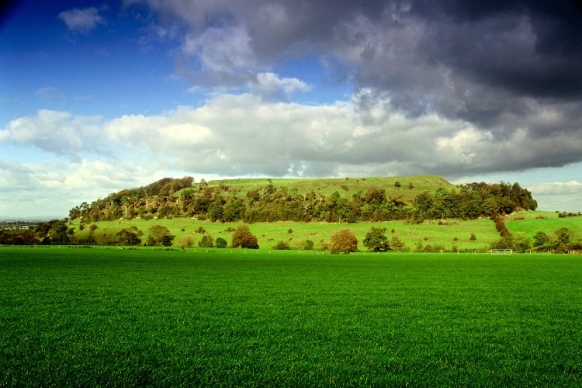
Stretched over Dorset, Hampshire and Wiltshire, Cranborne Chase is a chalk plateau part of the English Chalk Formation. The steep slope faces the Blackmore Vale and the highest point is Win Green Down (pictured), reaching 280 metres, looking out across the Chase. The wooded area is known for its long history, starting with Neolithic earthworks and having been owned by successive royals and aristocracy.
Today, Cranborne Chase is an Area of Outstanding Natural Beauty and boasts stunning views, rich wildlife and varied historical attractions.
Cranborne Chase history
The Neolithic and Bronze ages left multiple monuments along Cranborne Chase, including the henge at Knowlton and the remains of several Iron Age settlements along the downs. One of such settlements is the hillfort of Badbury Rigs, a territory of the Durotriges and later the site of a Roman village called Vindocladia, marked by a temple.
During the Saxon invasion, the Romano-British kept the invaders out by building Bokerley Dyke, a defensive ditch across a Roman road running across the downs. Following the Saxon invasion, the downs were sparsely populated, preserving the prehistoric remains until World War Two when the need for agricultural land outweighed historic significance.
Although the area gained its name from the village Cranborne, founded by the Saxons, housing a manor and small monastery. The name ‘chase’ came from the frequency of royal hunts by Kings John, Henry VIII and James I. Much of the land is owned by the Kingston Lacy estate.
Cranborne Chase today
Today, the varied landscape of Cranborne Chase provides a rich area for walkers and non-walkers. The viewpoints of particular interest include The Beech Avenue at Kingston Lacy, Win Green and the Fovant Badges – a cluster of military badges cut into the chalk Wiltshire hills during World War One.
Further visitor attraction highlights are the 14th century Old Wardour Castle, destroyed during the Civil War, and Stourhead House and Gardens, an 18th century landscape garden featuring a Palladian mansion, woods and grottos. Overall, the Cranborne Chase is a stunning area with opportunities to enjoy both wildlife and English heritage.
Getting to Cranborne Chase
The ‘start’ of Cranborne Chase according to the AONB website is just to the north of Cley Hill, Wiltshire. Cley Hill is just off the A362 west of Warminster, and from there the Chase traces a path east to Salisbury and down to Wimborne Minster, then around to Shaftesbury and up again.