



Imagine arriving at a frontier untouched by human hands – a vast, volcanic landscape where the future is a blank page waiting to be written. This isn’t the beginning of a survival movie like The Martian or Robinson Crusoe; this is the true story of the Viking arrival in Iceland. While many tales of settlement end in isolation and disaster, the Norse colonisation of this “land of fire and ice” was a spectacular success, forged by a resilient community whose legacy is still etched into the landscape today.
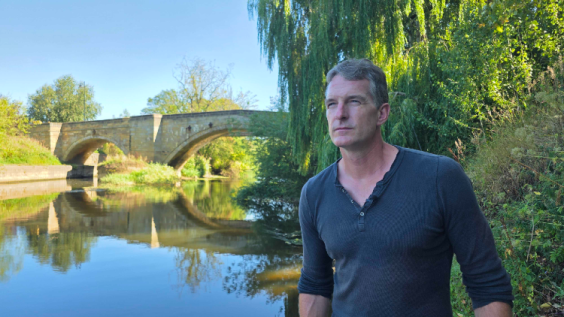
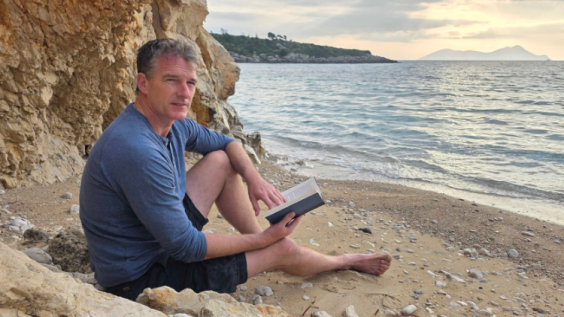
In History Hit’s new two-part documentary, Icelandic Vikings, Dan Snow journeys across this mythical terrain to uncover the secrets of the first settlers. From visiting a replica turf home to the ingenious use of geothermal springs to bake ‘volcano bread’, in episode 1, Icelandic Vikings: Arrival, Dan uncovers how a band of defiant explorers tamed one of the most remote islands on Earth.
 Watch Now
When did the Vikings truly arrive?
The term ‘Viking’ stems from the Old Norse víkingr (Vigh-king) – meaning pirate, raider. They came from Scandinavia and quickly spread across the world. During the 9th and 10th centuries, an estimated 60,000 vikings made Iceland their home.
For decades, historians relied on traditional sagas to date the settlement of Iceland to the late 9th century. However, at the Settlement Exhibition museum in Reykjavík, Dan Snow talks to guide Vala Gardarsdóttir and sees evidence that is rewriting history. By analysing tephra (layers of volcanic ash from known eruptions that act as a ‘geological clock’) archaeologists have identified Norse structures dating back as far as 800 or 830 AD.
This discovery, including a boundary wall unearthed during the construction of an underground parking lot in 2001, suggests that permanent Norse settlements were established nearly 70 years earlier than previously thought, revealing that the roots of Icelandic culture run far deeper than the sagas suggest.

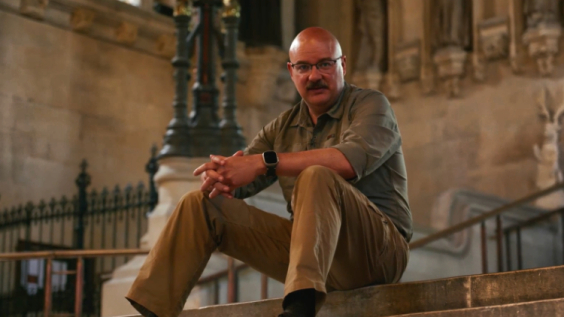
Dan Snow visits the Settlement Exhibition museum in Reykjavík where he talks to guide Vala Gardarsdóttir
Image Credit: History Hit
Life inside a turf house
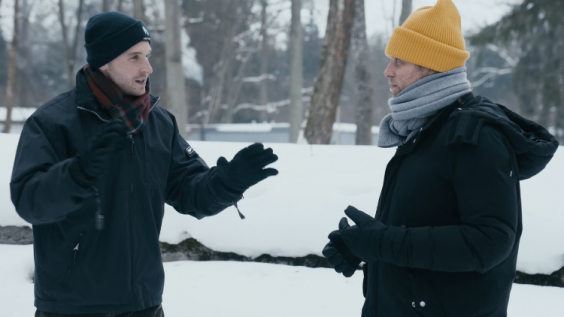
In the documentary, Dan travels to the Dalasýsla region to explore a meticulously reconstructed Viking home, where he meets Bjarnheidur Jóhannsdóttir to uncover the realities of Norse domestic life in this landscape.
These weren’t drafty wooden huts; they were sophisticated turf houses. With walls over a metre thick, constructed from tightly packed roots and turf, these homes were marvels of thermal insulation. Inside, around 15 people lived together in a single longhouse, centred around a communal hearth that served as a primary sources of heat, light, and social connection.
Bjarnheidur explains how while the ‘Master of the House’ was often absent for months on raiding or trading expeditions, the women ruled the domestic sphere. The ‘lady of the house’ held the keys to the locked pantry – the most vital room in the home, where winter provisions were guarded to ensure the family’s survival in winter.
Before the Vikings, 40% of Iceland was covered in birch forests. Within a century, the voracious need for fuel and grazing land decimated these woodlands, forcing the settlers to adapt by using turf as their primary building material.
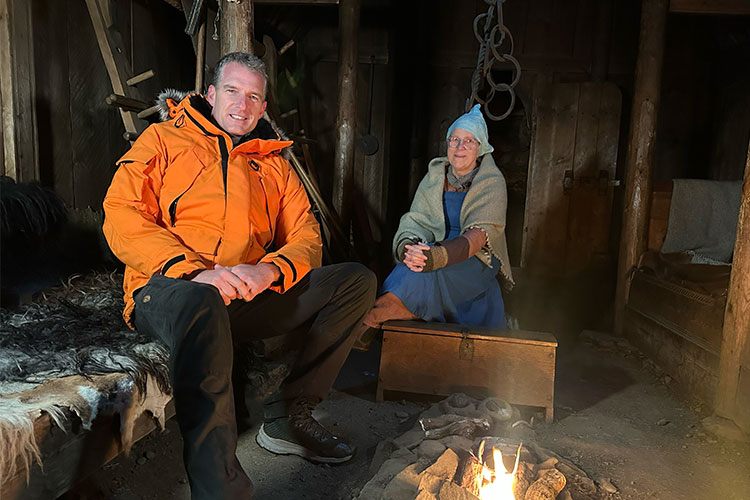
Dan Snow and Bjarnheidur Jóhannsdóttir in a replica Viking turf house, in the Dalasýsla region of Iceland.
Image Credit: History Hit
Mastering the North Atlantic
The Vikings were, first and foremost, the greatest mariners of their age. Viking ships were clinker-built, featuring overlapping hull planks that made them light, flexible, yet incredibly strong. Vikings relied on ingenious natural markers for navigation, including solar navigation and by observing the flight of birds, specifically ravens; if the bird flew high and returned to the ship, land was far away. If it disappeared toward the horizon, the crew knew they were nearing an island and followed its lead.
To understand how they navigated the treacherous waters of the North Atlantic, Dan takes to the sea off the coast of Reykjavík for some fishing.
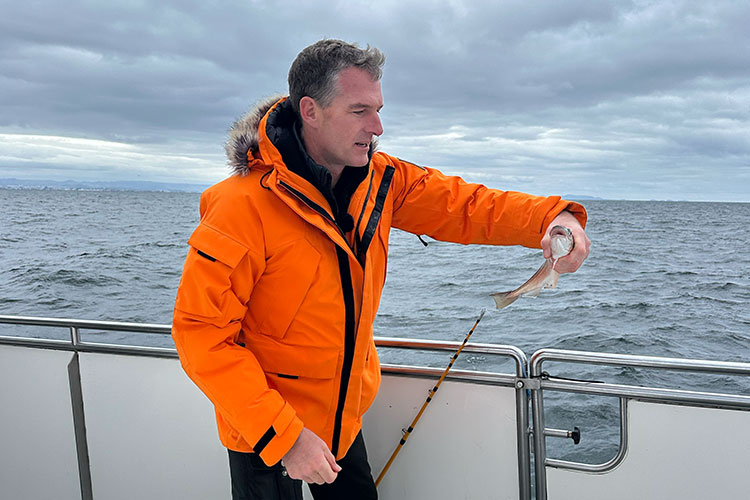
Dan has some success at fishing in the North Atlantic!
Image Credit: History Hit
The Book of Settlements
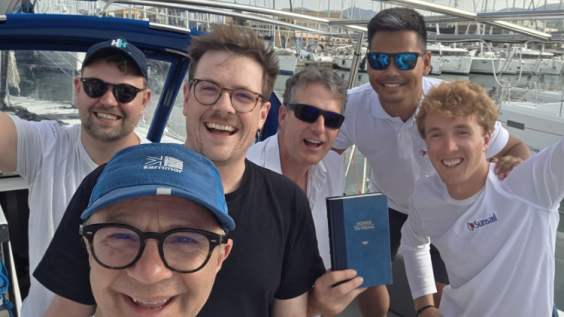
For Icelanders, history is far more than a chronology of dates – it is a living record of ancestral rights. Dan visits the Árni Magnússon Institute to see a copy of one of the most sacred documents in Icelandic culture: the Landnámabók, or ‘Book of Settlements’.
This extraordinary document serves as a bridge between the medieval and modern worlds. It places Iceland within the wider context of early European history, referencing the Venerable Bede (the ‘father of English history’) and noting with seafaring precision that Iceland lay exactly six days’ sailing north of Britain.
More than just a chronicle, this was a massive folklore project designed to codify the nation’s origin story. It meticulously records the names of the original pioneers and the precise boundaries of their claims. As expert Gísli Sigurðsson explains, the text is so geographically accurate that it still defines the borders of many modern-day farms. It is truly a ‘map of a nation’s soul’, securing the land through the epic stories of those who first stepped onto its black sand beaches.
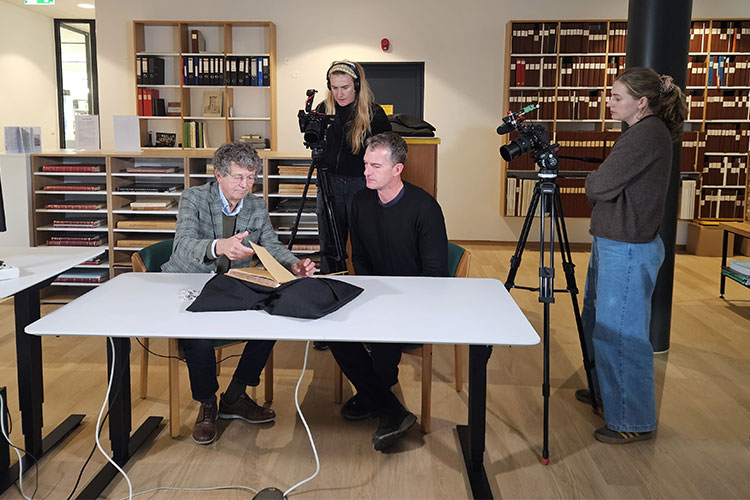
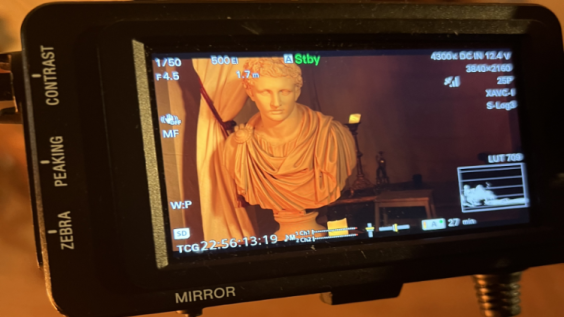
Dan speaks to Gísli Sigurðsson at the Árni Magnússon Institute to see the Landnámabók – the ‘Book of Settlements’ – with production crew.
Image Credit: History Hit
A taste of the settlement age
Life in the North Atlantic wasn’t just about survival; it was also about flavour. In the wild Westfjords, Dan forages for crowberries and helps bake traditional geothermal rye bread. By burying the dough in a pipe in the bubbling hot springs of a volcanic area, the Vikings learnt to harness the island’s subterranean energy to create a delicious, dense cake-like loaf of bread – a culinary tradition that continues in Iceland to this day.
Dan also encounters the Icelandic horse. Brought over on longships by the original 9th century settlers, this unique breed has remained genetically isolate for over a thousand years. Its legendary strength and steady ‘fifth gait’ provided the only reliable way for the first Vikings to traverse the treacherous, rugged, roadless interior.
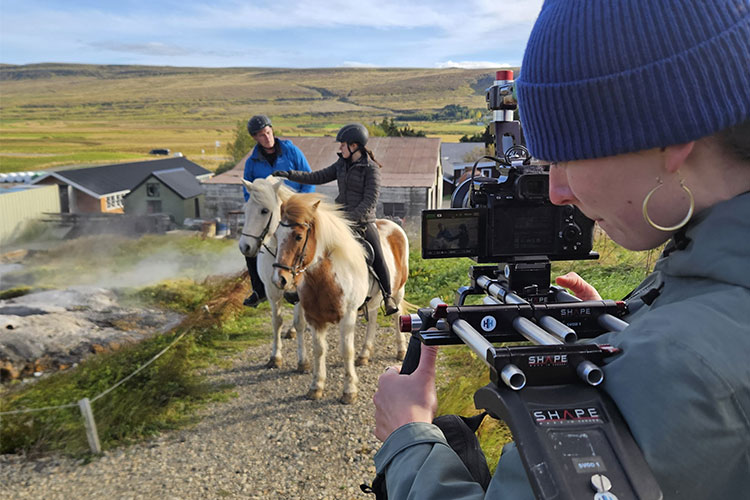
Dan rides an Icelandic horse
Image Credit: History Hit
Paradise or Valhalla?
With its abundance of walrus ivory, rivers teeming with salmon, and the miraculous gift of geothermal heat, Iceland must have seemed like a paradise to the first settlers. Yet did this ‘Land of Fire and Ice’ truly become an earthly Valhalla, or did the human hunger for power and resources lead to its eventual ruin?
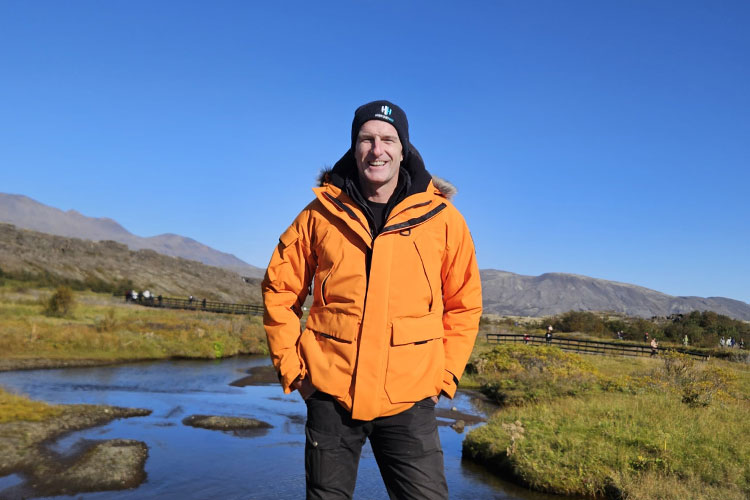
While the first episode of Icelandic Vikings: Arrival celebrates the triumph of human spirit and exploration, the story doesn’t end there. Join Dan Snow for Episode Two (releasing 8 January 2026), as he ventures into the ‘Age of Survival’. From the breathtaking plains of Þingvellir – home to the world’s oldest parliament – to the jagged lava fields of the interior, Dan uncovers the bloody, complex truths hidden within the legendary Icelandic Sagas.