



Greek mythology is often remembered as a tapestry of tragic male heroes, feuding gods, and fantastical quests. But one myth stands apart – a story powered not by a thirst for glory, but by the fierce, unyielding love of a mother for her daughter.
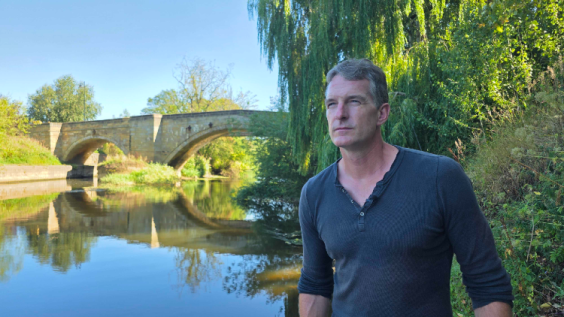
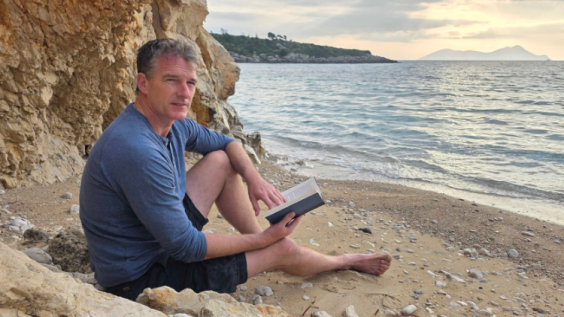
In History Hit’s new documentary, Divine Fury: Demeter and Persephone – How a Mother’s Love Made the Seasons, acclaimed classicist Natalie Haynes explores the enduring legacy of this ancient tale – one of the Greeks’ most powerful and enduring myths. It is a story of love, loss, rage, and transformation that brought the mortal world to the brink of ruin and, ultimately, gave the Greeks an explanation for the very rhythm of the seasons.
 Watch Now
The Abduction
Episode 1: ‘Abduction’ sees the start of the story – and a kidnapping. Hades, the dark Lord of the Underworld, emerged from the earth to snatch the young goddess Persephone while she was gathering flowers. It was an act of divine sanctioned theft; Persephone’s own father, Zeus, had secretly given Hades permission to take her as his bride.
However, Hades made a catastrophic error: he forgot about Persephone’s mother, Demeter. As the goddess of agriculture and the Earth’s fertility, Demeter was one of the most powerful Olympian deities. When her daughter vanished, her grief quickly curdled into a terrifying fury.
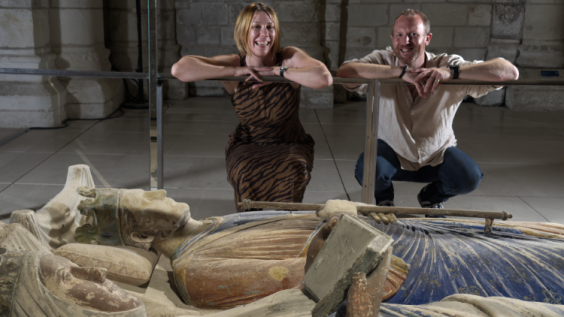
Natalie Haynes explains that for the ancient Greeks, this wasn’t just a bedtime story; it mirrored the traumatic reality of marriage customs, where young girls (often only 14 years old) were abruptly removed from their families to live as strangers in a new home. She talks to classicist Dr Daisy Dunn to explore what marriage meant for women in ancient Greece, and how the story of Persephone helped girls prepare for this transition.
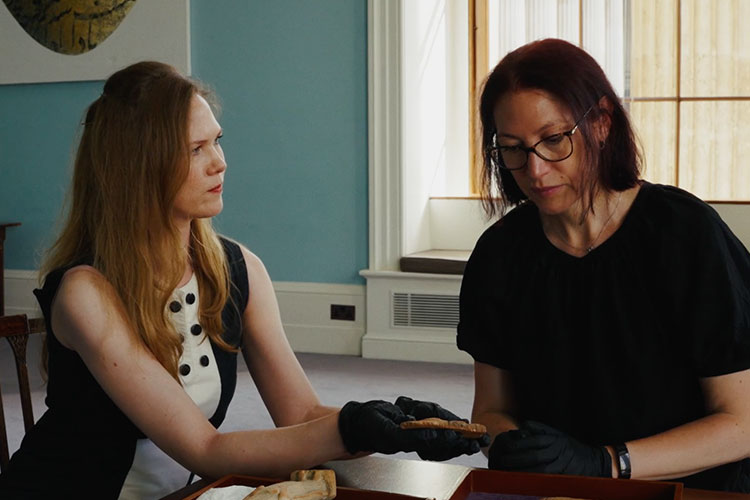
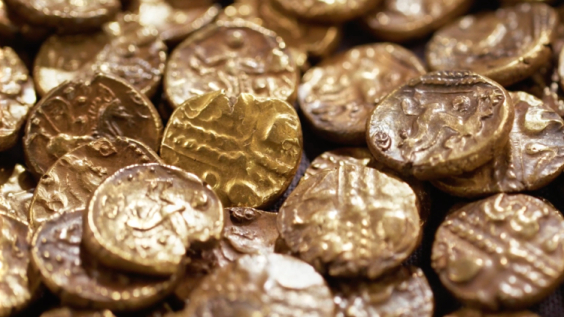
Dr Daisy Dunn shows Natalie Haynes some ancient artefacts depicting Persephone on the eve of her marriage
Image Credit: History Hit
Tracing the “Homeric Hymn”
To unravel the layers of this myth, Natalie turns to a miraculous survival of ancient literature: the Homeric Hymn to Demeter – investigating how this myth mirrored the lives of people in Ancient Greece. Lost for centuries, a manuscript of the poem was famously rediscovered in a Russian farmhouse in 1777. Though written down in the 7th or 6th centuries BC, the hymn preserves an even older oral tradition.
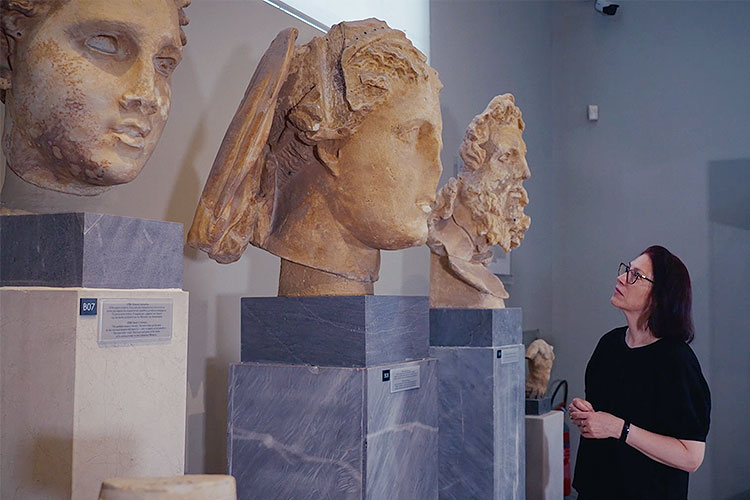
Natalie’s journey takes her from the British Museum to the National Archaeological Museum of Athens, where she examines the dual nature of these goddesses. Demeter is depicted as a figure of maternal tenderness but also of world-ending power. Meanwhile, Persephone evolves from Kore (the innocent girl) to the “Red Queen,” the formidable and dreaded co-ruler of the Underworld.
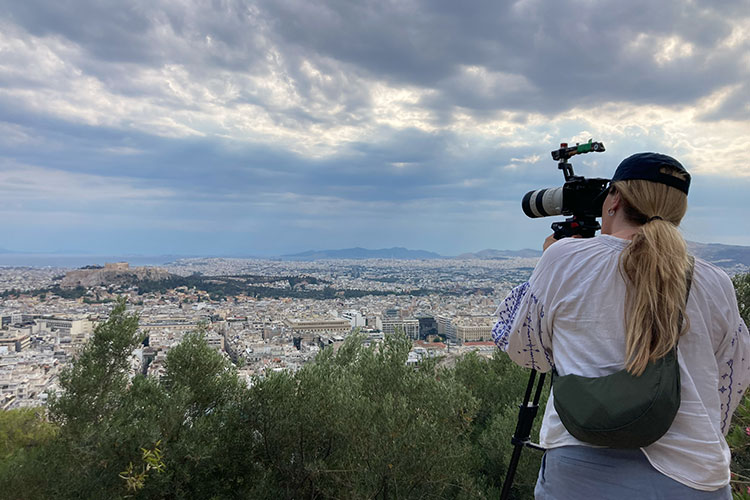
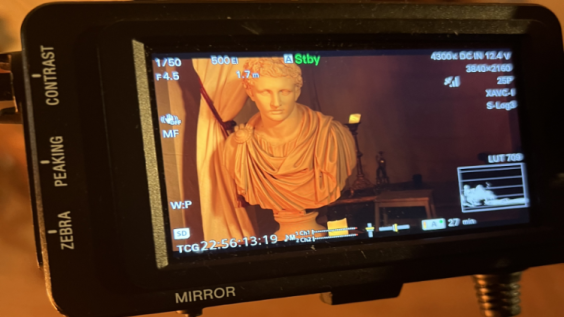
History Hit crew filming in Athens
The desolation of the earth
As Demeter searched for her daughter, she refused to eat, wash, or return to Mount Olympus. She wandered the earth in the guise of an old woman, eventually finding rest at the Kallichoron well in Eleusis.
Natalie visits the ruins of the sanctuary at Eleusis, where myth and reality coincide. It was here that Demeter was welcomed into the home of King Celeus. However, because she was in mourning, she rejected the finest hospitality, only finding a brief moment of respite when a servant named Iambe coaxed a laugh from her with audacious jokes.
But Demeter’s sorrow could not be contained by mortal kindness. In her rage, she made the “all-nourishing land” barren. For a civilisation where 4 out of 5 people were farmers, this was a story that played into their deepest fears. Crops withered, sheep perished, and the human race faced extinction. Crucially for the gods, the smoke of animal sacrifices stopped rising to Olympus. It was this – the hunger of the gods – that finally forced Zeus to intervene.
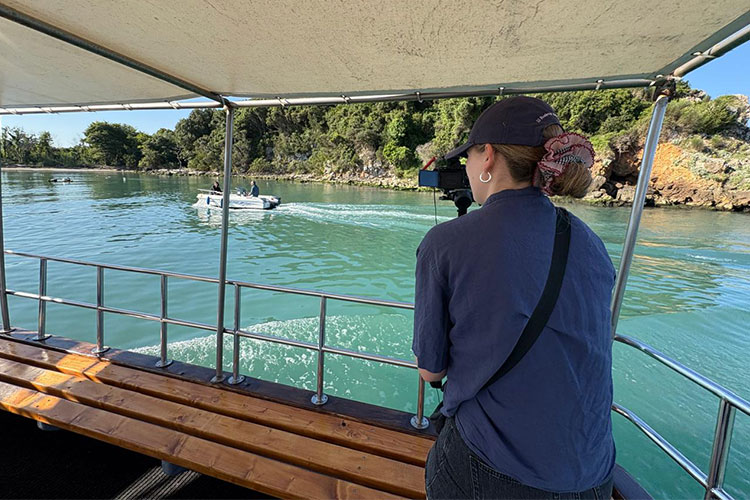
History Hit filming on the River Acheron
The descent to the ‘River of Woe’
To understand Persephone’s imprisonment, Natalie travels to the rugged mountains of Epirus and the River Acheron, one of the mythical rivers of the Underworld, known to the ancients as the “River of Woe.” Legend says the ferryman Charon transported souls across these waters to Hades’ realm.
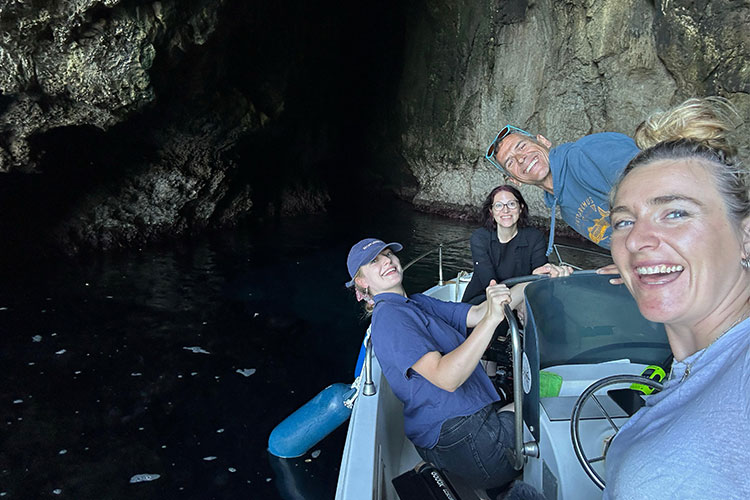
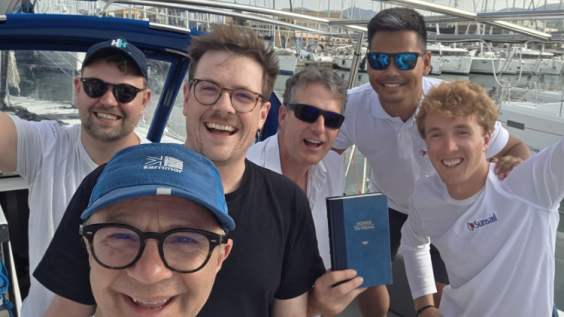
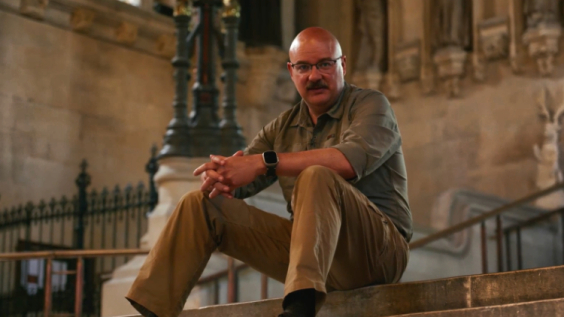
Natalie Haynes and some of the History Hit production crew on the River Acheron
Natalie explores the Necromanteion of Acheron, a site where the living once spoke to the dead. Accompanied by expert Dr Tobias Myers, she descends into underground chambers where ancient pilgrims may have used hallucinogens and blood sacrifices to communicate with the spirits below.
“For the Greeks,” Natalie notes, “myth was simply history that happened long ago.” The geography of the underworld wasn’t abstract; it was mapped onto real-world spots like these dark, vaulted ruins.
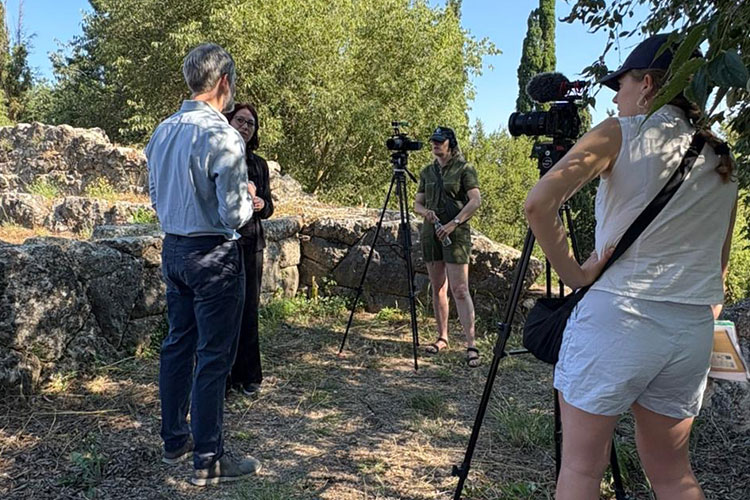
Production shot of Dr. Tobias Myers talking to Natalie Haynes about the Necromanteion of Acheron
Image Credit: History Hit
The great mystery remains
Persephone remained languishing in the dark, but the earth could not survive without Demeter’s favour. Is Persephone doomed to spend eternity in the shadows, or can a mother’s love force the gates of hell to open?
The dramatic conclusion of the myth – and the birth of the Eleusinian Mysteries, the most secret and sacred religious rites of the ancient world – awaits in the next chapter of our journey.