


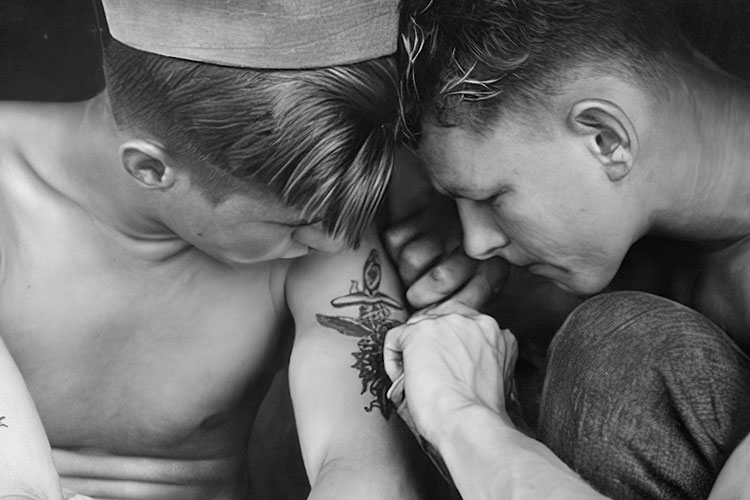

Every morning when you choose an outfit or style your hair, you’re participating in a practice as old as humanity itself. Body modification isn’t just about tattoos or piercings; it’s a fundamental way we express ourselves, signal belonging, and navigate the world.
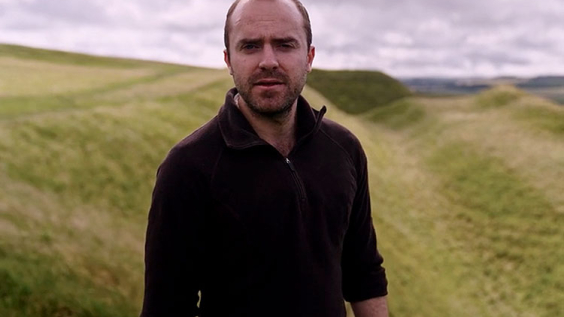
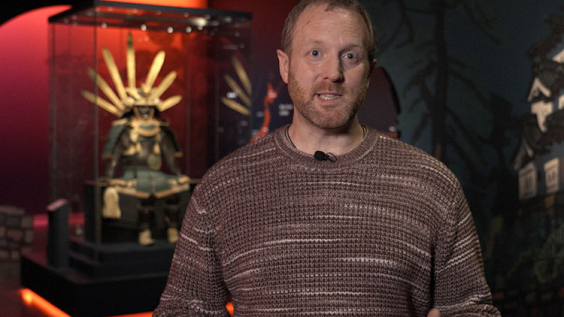
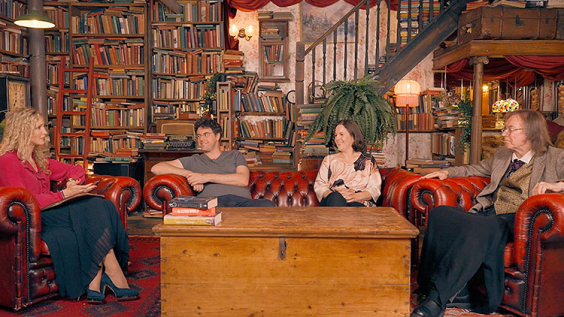
In History Hit’s fascinating new programme, How Do I Look? The History of Body Modification with Eleanor Janega, presenter Eleanor Janega is joined by an expert panel: Dr Matt Lodder, an art historian specialising in tattoos and piercings from the University of Essex; Dr Susan Vincent, a cultural historian of clothing and hair from the University of York; and Dr Eleanor Barnett, a cultural and religious historian with expertise in food from the University of Cardiff.
Together, they explore the surprising, diverse, and often misunderstood history of how humans have shaped their bodies across millennia.
 Watch Now
What is body modification?
The panel begins by defining what ‘body modification’ truly means. For Dr Lodder, it encompasses permanent or semi-permanent changes – like tattoos, piercings, or even plastic surgery – chosen deliberately by an individual for a lasting effect. Dr Barnett, from a food historian’s perspective, expands this to include diet, arguing that what we consume fundamentally alters our bodies and how we are perceived. Meanwhile, Dr Vincent suggests it could even potentially be a broader category encompassing everything from washing to hair-cutting.
While modern society often associates extreme body modifications with recent trends or a growing obsession with appearance, the programme explores how the drive to alter our bodies is an ancient phenomenon.
Ancient practices, clothing and cultural norms
Across diverse historical cultures, tattoos have served myriad purposes, from honouring deities to signifying social status. Yet, for early European colonists, these practices often appeared strange or ‘barbarian’. The programme explores the fascinating paradox that Western societies are, in some ways, the historical anomaly for not embracing tattooing as a cultural norm.
Matt explains how tattooing dates back at least 5,500 years, with the practice emerging alongside things like jewellery, serving as a symbolic and creative act of communication in nomadic cultures where the body itself became a canvas. The oldest discovered tattooed skin belonged to Ötzi the Iceman, dating to the 4th millennium BC, but older tools and depictions suggest even deeper roots, with some evidence suggesting tattooing could be closer to 40,000 years old.
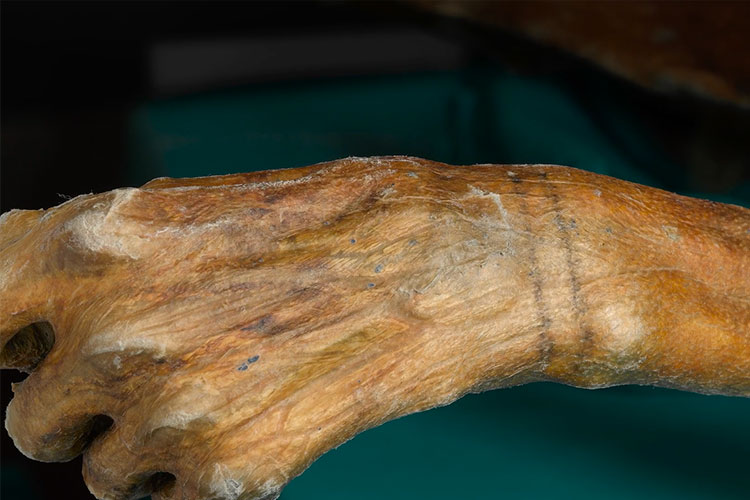
The oldest discovered tattooed skin belonged to Ötzi the Iceman, dating to the 4th millennium BC.
Image Credit: History Hit
As cultures evolved, clothing emerged as a prevalent and acceptable form of body modification, intricately denoting social status, occupation, wealth, gender, and even moral standing. But this form of expression has always been tightly controlled.
Susan explores how sumptuary laws controlled what people wore, and how anxieties around ‘distended’ body shapes, like those seen in Elizabethan England’s time, reveal deeper societal concerns. The programme also explores how even seemingly temporary items, like the Victorian corset, could radically reshape the body, blurring the lines between temporary adornment and permanent alteration.
The pursuit of the ideal body
The relentless pursuit of an ideal body shape has driven extreme practices throughout history. From Lord Byron’s notorious 1820s vinegar diet to 1920s cigarette advertisements promoting weight loss, the programme highlights how the quest for physical perfection is far from new.
Eleanor Barnett explains how ancient cultures, like the Greeks, understood natural body variations tied to ‘complexions’ (humours), yet still encouraged specific diets to achieve an ideal. The medieval period, particularly for women, saw a religiously reinforced ideal of a pear-shaped body with white skin – but crucial to this ideal was its naturalness. Any overt enhancement, like plucking eyebrows, was seen as vain and prideful, going against divine intention.
This tension between ‘natural’ beauty and deliberate modification continues to resonate today, especially when discussing ‘extreme’ measures like cosmetic surgery or crash diets.
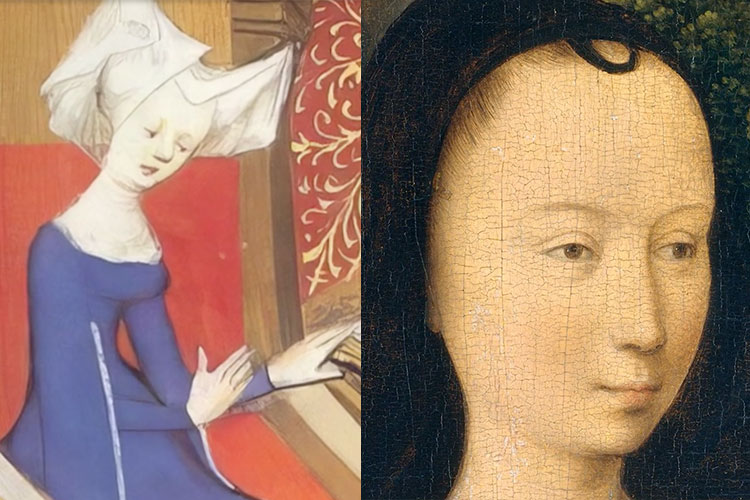
Medieval women faced a religiously reinforced ideal of a pear-shaped body with white skin.
Image Credit: History Hit
Money, power, and identity
The panel examines how wealth has always intertwined with ideals of beauty. Historically, notions of beauty have often favoured the wealthy. For instance, a medieval ‘potbelly’ and white skin indicated access to good food and leisure, while today’s tan and sculpted physique suggest holidays and gym time. But, as Matt points out, there’s a societal paradox: while wealth enables certain body ideals, ‘cheating’ through steroids or surgery often carries a stigma.
Ironically, the very existence of the tattoo industry stems from 19th-century wealthy travellers who made it ‘ok’, before working-class tattoos were later stigmatised.
Signalling allegiance
Body modification has long served as a powerful means of showing allegiance. From a monk’s tonsure signifying piety to a rite of passage into adulthood, or even a symbol of one’s side in battle, how we present ourselves can instantly signal belonging and conviction.
Susan illustrates this with the English Civil War, where the distinct hairstyles of ‘Cavaliers’ (long-haired Royalists) and ‘Roundheads’ (short-haired Parliamentarians) became potent, even weaponised, symbols of political and moral identity. You’ll also learn about the revolutionary impact of the early 20th-century bob haircut for women, a symbol of liberation that nonetheless sparked controversy.

Left: Portrait showing a ‘Cavalier’ with long hair. Right: Portrait showing a ‘Roundhead’ with short hair.
Image Credit: History Hit
The panel also delves into the gendered aspects of body modification, exploring how societal pressures on body shape and acceptable styles have shifted for both men and women throughout history. From women’s role in diet trends to the changing perception of male muscularity, societal expectations are constantly evolving.
The enduring human canvas
While we often associate body modification with deliberate choices, the programme also touches on its darker side: enforced mutilation as punishment or control.
As Eleanor Janega reflects, modern society continues to grapple with the same fundamental questions about body modification. Our bodies are a universal canvas through which humans across all cultures and times express identity. The act of changing them, of using them to articulate who we are, is as old as human history itself, and it always will be.
Watch How Do I Look? The History of Body Modification with Eleanor Janega to explore the surprising, diverse, and deeply human history of how we transform ourselves. What does your body say about you?
Watch Now