


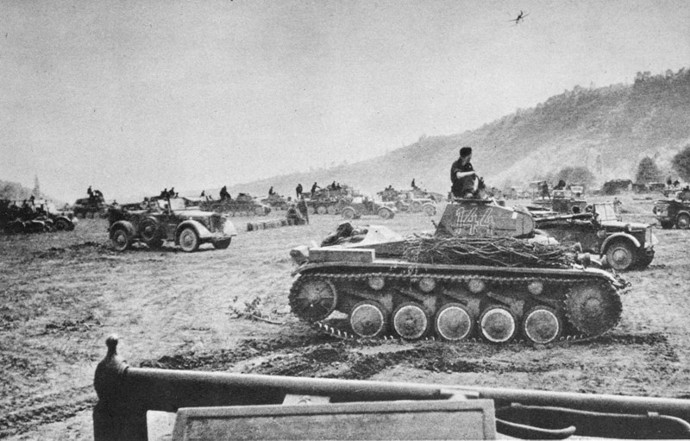

After German forces invaded Poland, France and Great Britain declared war on Germany. In 1940 Hitler had his sights set on its southwestern neighbour.
Despite the fact that the French Army was heavily manning the country’s border with its enemy, Germany successfully invaded the country and occupied it within only 6 weeks.
Here are 10 facts about how France fell to Germany in that short, but eventful span.
1. The French Army was one of the largest in the world
The experience of World War One however, had left it with a defensive mentality that paralysed its potential effectiveness and engendered a reliance on the Maginot Line.
 Watch Now
2. Germany ignored the Maginot Line however
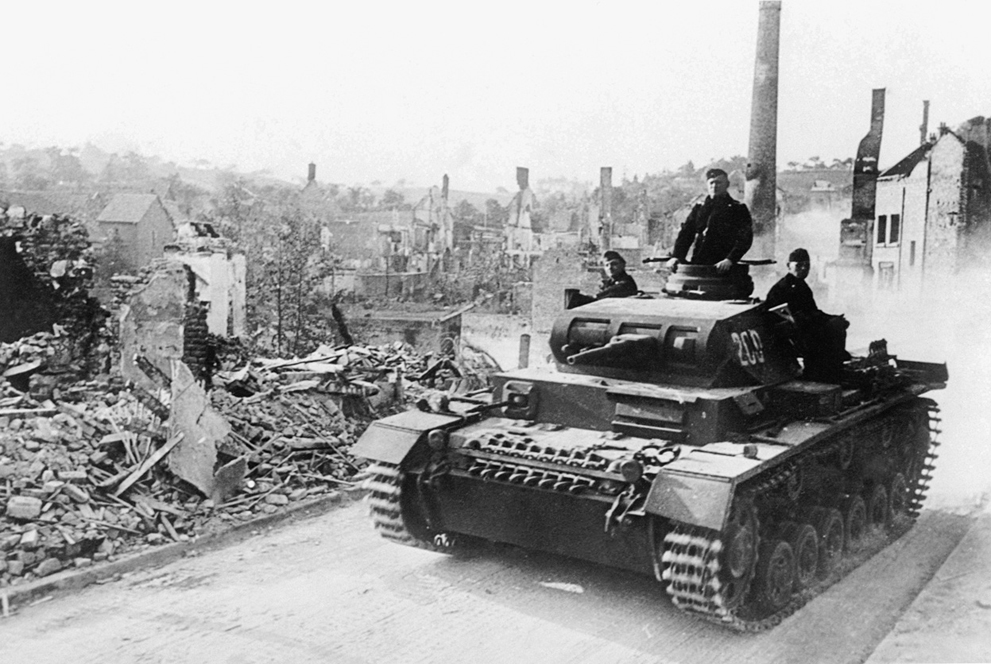
The main thrust of their advance into France moving through the Ardennes in northern Luxembourg and southern Belgium as part of the Sichelschnitt plan.
3. The Germans employed Blitzkrieg tactics
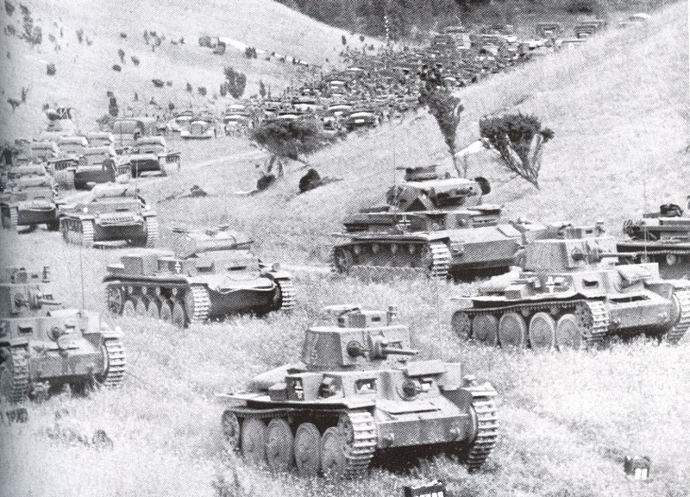
They used armoured vehicles and aircraft to make rapid territorial gains. This military strategy was developed in Britain in the 1920s.
4. The Battle of Sedan, 12-15 May, provided a momentous breakthrough for the Germans
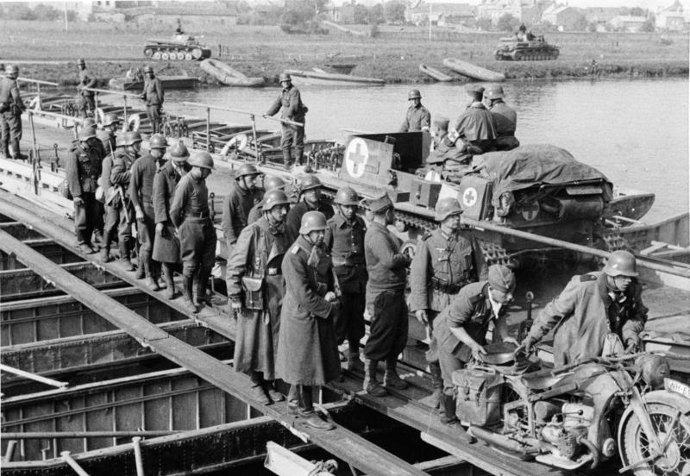
They streamed into France thereafter.
5. The miraculous evacuation of Allied troops from Dunkirk saved 193,000 British and 145,000 French troops
Although some 80,000 were left behind, Operation Dynamo far exceeded the expectation of rescuing only 45,000. The Operation used 200 Royal Navy ships and 600 volunteer vessels.
 Watch Now
6. Mussolini declared war on the Allies on 10 June
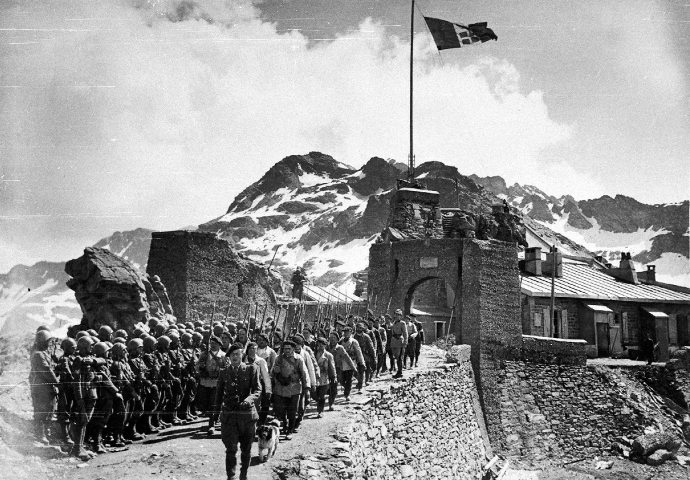
His first offensive was launched through the Alps without German knowledge and ended with 6,000 casualties, with over a third being attributed to frostbite. French casualties reached only 200.
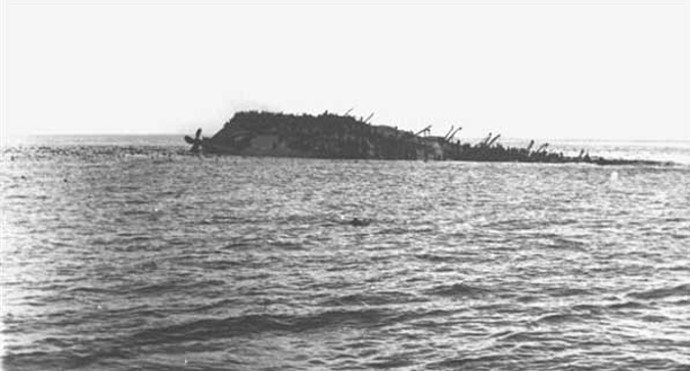
7. A further 191,000 Allied troops were evacuated from France in mid-June
Although the heaviest ever losses in a single incident at sea were sustained by the British when the Lancastria was sunk by German bombers on 17 June.
8. The Germans had reached Paris by 14 June
The French surrender was ratified in the armistice agreement signed at Compiègne on 22 June.
 Watch Now
9. Around 8,000,000 French, Dutch and Belgian refugees were created during the summer of 1940
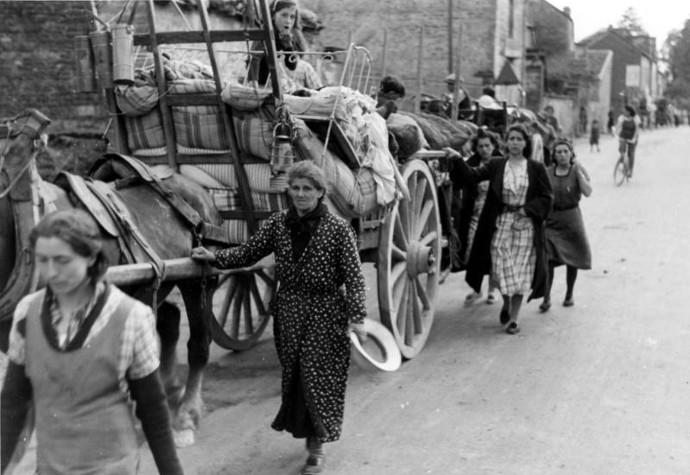
Masses of people fled their homes as the Germans advanced.
10. Axis troops deployed in the Battle of France amounted to about 3,350,000
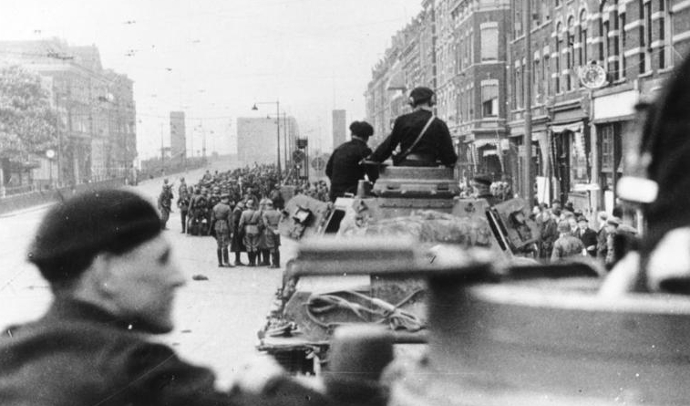
At the start they were matched in number by Allied opponents. By the signing of armistice on 22 June, however, 360,000 Allied casualties had been inflicted and 1,900,000 prisoners taken at the expense of 160,000 Germans and Italians.