



In the gripping second episode of Icelandic Vikings: Survival, Dan Snow ventures into a land of fire and ice to reveal how the Norse didn’t just endure this frontier, but conquered and transformed it.
By 930 AD, the initial “Age of Settlement” had ended, and the true test began: the “Age of Survival“, a period defined by the need for order, domestic ingenuity, and the power of the spoken word.
 Watch Now
Law on the edge of the world
As Iceland’s population swelled, the need for order became paramount. Dan’s journey begins at Þingvellir, the breathtaking Mid-Atlantic rift where the North American and Eurasian tectonic plates pull apart at a rate of 2.5cm every year.
It was atop this literal scar in the earth that the Vikings established the Althing, the world’s oldest surviving national parliament. In 930AD, in a land of extremes without a king, these pioneers chose to “thrash out” a legal code peacefully, proving that survival was as much about communal structure as it was about physical grit. While much of Europe was governed by the whim of monarchs, the Icelanders were practicing a raw, tectonic form of democracy.
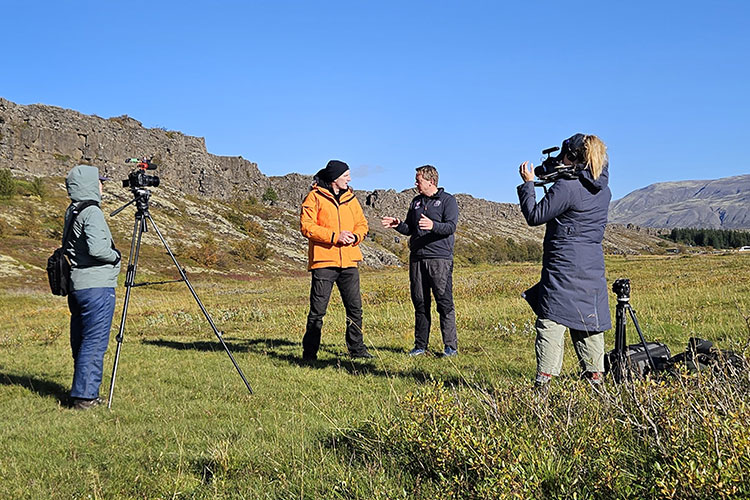
Production shot at at Þingvellir, the site of the Viking Althing.
Image Credit: History Hit
The Sagas: storytelling as a survival strategy
Yet, law alone couldn’t get a family through a brutal Arctic winter. Survival required a social fabric to match the stockpiled grain: stories. From supernatural tales of witches and ghosts to the legendary Icelandic Sagas, these narratives – later collated by figures like the 13th-century scholar Snorri Sturluson – became the island’s cultural glue.
These epic tales cover everything from bloody revenge to the crushing weight of loneliness, providing hope, entertainment, and a moral and historical anchor for a people on the fringe of the known world. Today, these sagas remain the blueprint for modern fantasy, inspiring everything from J.R.R. Tolkien’s Middle-earth to the Marvel Cinematic Universe.
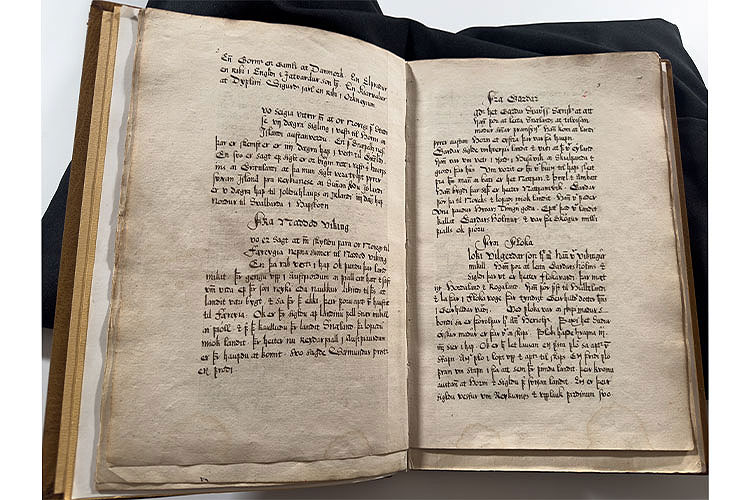
Original book making up part of the Icelandic Sagas
Image Credit: History Hit
Viking “vanity”?
Whilst we often imagine the Vikings as “stinky, uncontrolled louts,” the archaeological record tells a different story. In reality, the Norse were far more meticulous about their appearance than the Christian chroniclers they despoiled gave them credit for.
Dan explores one of the most commonly found Viking-age artefacts: the bone comb. Far from being dishevelled, Viking men were famously well-groomed. The 12th-century English chronicler John of Wallingford noted that the Vikings caused “much trouble to the natives” of England because they combed their hair daily, bathed every Saturday, and changed their garments often.
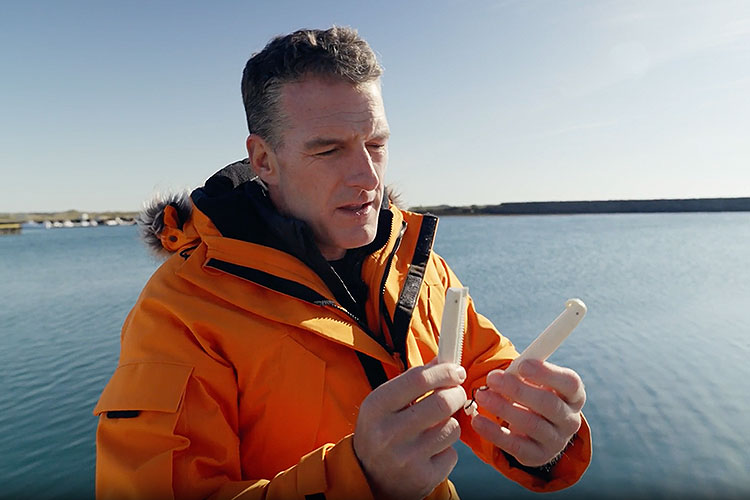
Dan Snow with a replica of a Viking bone comb (replica made from plastic)
Image Credit: History Hit
“The reputation for being filthy likely comes from their enemies – Christian priests,” Dan explains, whose monasteries the Vikings despoiled. “They painted the Vikings as dishevelled on the outside to reflect an ‘evil, pagan soul’ within.”
In Iceland, this cleanliness was bolstered by the island’s geology; the Vikings harnessed natural hot springs for bathing and cleaning clothes – a tradition Dan experiences firsthand with a dip in a remote volcanic spring.
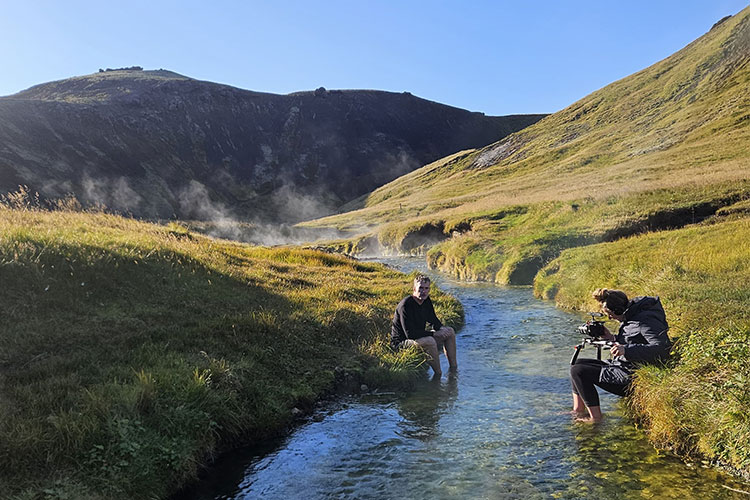
Production shot of Dan Snow at an Icelandic thermal stream
Image Credit: History Hit
The reality of violence
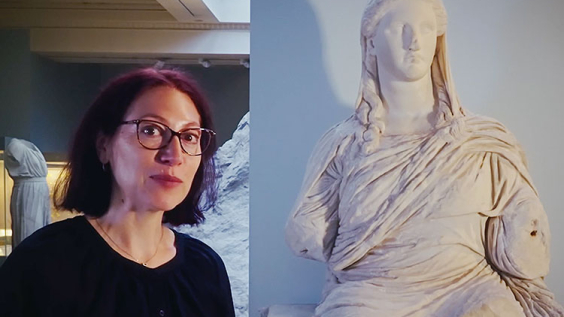
While the Sagas are filled with blood feuds, Dan investigates whether the Icelandic Vikings were actually more peaceful than their European neighbours. Speaking with Dr Joe Wallace Walser III at the Museum of Iceland, Dan handles a genuine Viking skull and notes a surprising lack of swords.
“We see more axe heads and spears,” Joe explains. “Axes were multi-functional tools for farmers and fishermen.” The evidence suggests that most settlers were looking for opportunity rather than a constant battle.
Large-scale warfare is rare in the early Icelandic record; instead, we see a life of hard work and interpersonal disputes settled at the Althing. The Sagas’ massive battles were likely “colourful” exaggerations or memories of a more violent life left behind in Scandinavia.
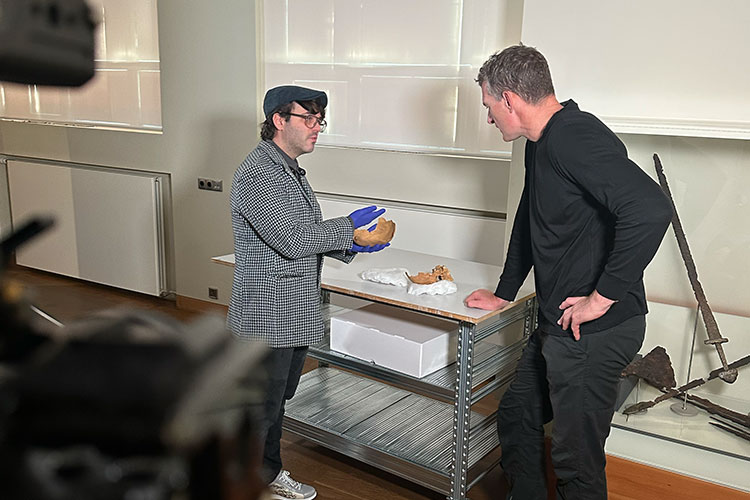
Dan Snow speaks to Dr Joe Wallace Walser III at the Museum of Iceland and sees a real Viking skull
Image Credit: History Hit
The invisible backbone: the role of women
Dan speaks to historian Dr Kate Lister to uncover the vital, often overlooked role of women. “Without the women, there is no Viking Age at all,” Kate notes. As men spent long periods away, women were the primary keepers of the homestead, with the Sagas even describing powerful matriarchs leading settlement charges from the Hebrides to Iceland.
While their roles were primarily domestic – weaving, sewing, cooking and managing the homestead – they were the ultimate managers of the Viking economy and the educators of the next generation.
A genetic mystery
Research into early Icelandic DNA has revealed a surprising truth: up to half of the female (mitochondrial) DNA in the earliest settlements came from the British Isles. This suggests that as the Norse travelled toward Iceland, they “picked up” women from the UK. Whether these unions were consensual or the result of Viking slavery or their use of a system of concubinage remains one of history’s “unknowable questions,” says Kate, though evidence suggests a complex mix of both.
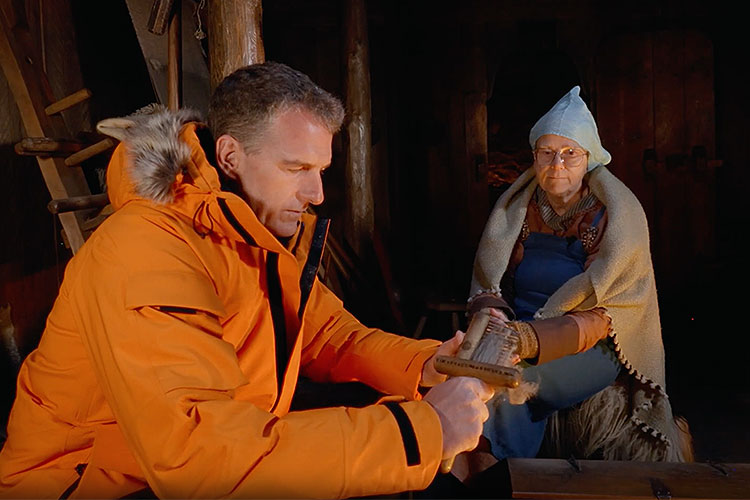
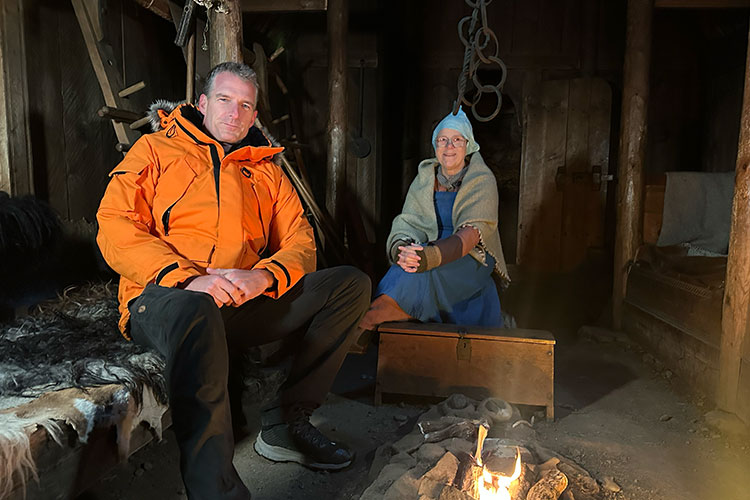
Dan has a go at combing wool as the Viking women would have done, with Viking expert expert Bjarnheidur Jóhannsdóttir
Image Credit: History Hit
The endless labour of survival
To understand the sheer scale of the work performed by women, Dan visits a replica longhouse 90km from Reykjavik. He speaks to expert Bjarnheidur Jóhannsdóttir, who explains how survival in the harsh environment meant no one was ever idle. A staggering amount of work was required, which also helped them to stay warm. Even during the dark winters, often while reciting the Sagas, hands were busy whittling or braiding in the low light.
Combing wool was a massive, time-consuming process. Bjarnheidur explains that a single 80-square-metre sail for a longship could take up to three years to weave, making it as expensive as the ship itself. The sail – the very symbol of Viking expansion – was a testament to the patient, persistent labour of the women left behind.
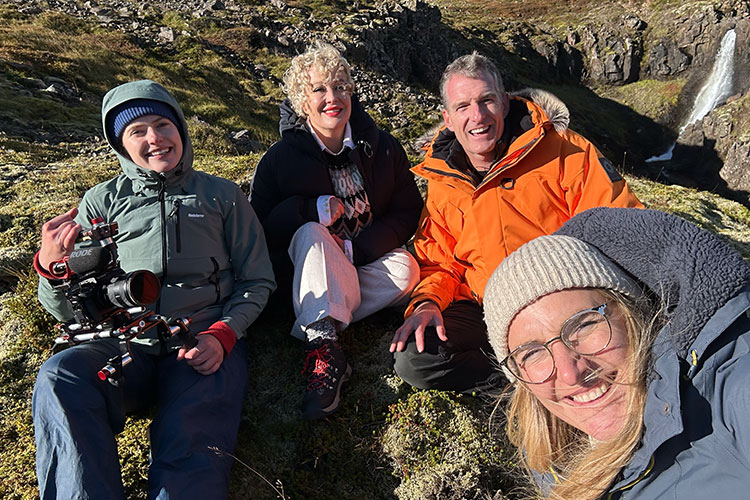
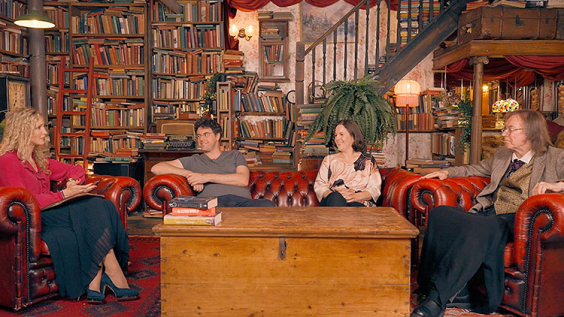
Dr Kate Lister and Dan Snow in Iceland with Laura and Annie from History Hit’s production team
As women combed wool and men braved the North Atlantic, they shared the stories that would eventually include the Saga of Erik the Red and the Vinland Sagas. At the Árni Magnússon Institute, Dan and curator Gisli Sigurðsson discuss this adventurous dynasty, including Leif Erikson, the first European to set foot in North America.
The recording of these stories was the beginning of our global fascination with Viking culture. From sophisticated grooming to the indomitable strength of the women who ran their world, the story of Icelandic survival is a testament to human resilience.