




From Spartacus to Ridley Scott’s Maximus, gladiators have captivated us for centuries. But why does this ancient spectacle still hold such a powerful grip on our imagination?
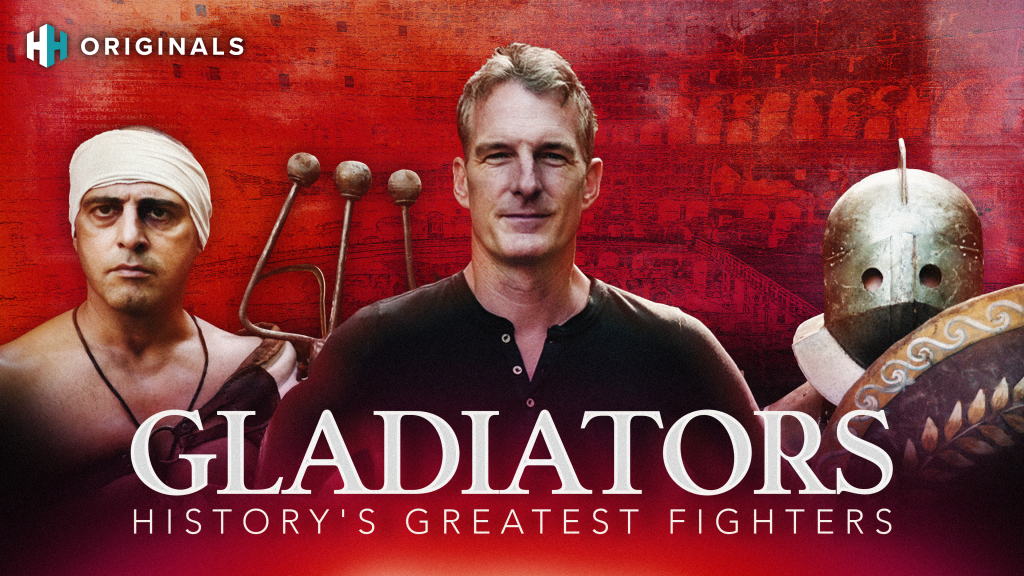
Step into the arena with History Hit’s new documentary, Gladiators: History’s Greatest Fighters, and join Dan Snow as he teams up with leading experts in Italy and England to uncover the surprising truths behind our enduring fascination and investigates the daily lives of history’s most iconic combatants.
 Watch Now
While Rome famously popularised the games, gladiator-style combat actually began much earlier, during Italy’s mysterious Etruscan period (800-400 BC). These brutal bouts, initially solemn funeral rites, quickly evolved into grand public spectacles.
Dan begins his quest at the amphitheatre in Capua, considered the birthplace of the Roman gladiatorial games, exploring how politicians harnessed these displays for power, transforming them into a tool for entertainment and public distraction that soon spread throughout the burgeoning Roman Empire.
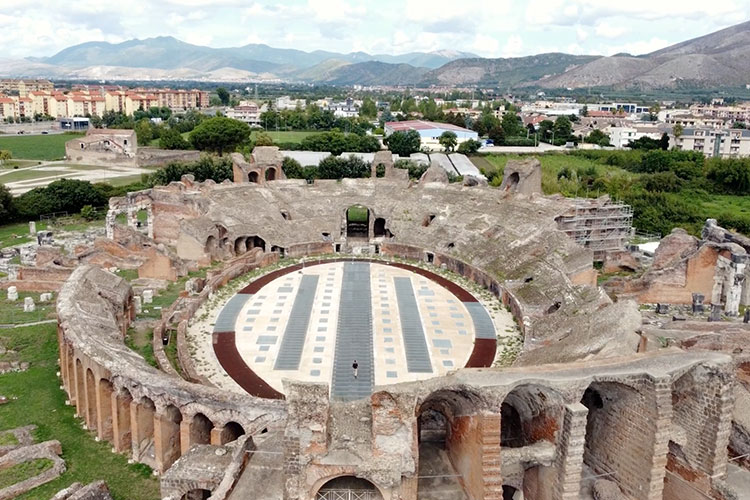
The amphitheatre in Capua, considered the birthplace of the Roman gladiatorial games.
Life in the Ludus
Every major city in the Roman world eventually boasted an amphitheatre, but the Colosseum remains the ultimate symbol. Just outside its colossal walls lay the Ludus Magnus, Rome’s elite gladiator training school. Here, Dan speaks with gladiator historian Alexander Mariotti who reveals how this “ancient sports club” transformed raw recruits into the champions who electrified crowds.
You’ll discover that these fighters weren’t all slaves; many were free men drawn by the potential for immense wealth. A gladiator’s earning potential could be 17 times that of a Roman army recruit, offering a pathway out of poverty.
Mariotti explains how these valuable assets – a significant investment for their owners (the lanistas) – received exceptional care, receiving regular meals (often barley and beans), recovery baths, and dedicated medical attention, challenging the myth of gladiators as mere fodder.
Duality and distraction
The world of gladiatorial combat was more diverse than often imagined, featuring over 20 gladiator types. Dan learns about the deliberate, contrasting pairings, such as the heavily armoured murmillo (“fish man”) with his short sword, against the agile thraex (Thracian) with his curved dagger, or the shielded secutor battling the nimble retiarius, armed with a net and trident. Mariotti explains how these “mismatched” duels were precisely orchestrated for maximum entertainment, emphasising themes of duality – man against nature, speed against power – designed to thrill the spectators.
But how often did these highly trained fighters enter the arena, and what did a typical day at the games entail? Gladiatorial appearances varied by period and emperor, but one constant emerged: during times of crosos, the games became the ultimate distraction, a powerful tool for emperors to pacify citizens and divert attention from political turmoil.
A full day at the amphitheatre was a meticulously orchestrated affair, moving from grand parades and spectacular beast hunts, to half-time entertainment featuring acrobats, dancers, and even public executions. The lavish displays, often accompanied by raffles offering free food, wine, and prizes, culminated in the highly anticipated gladiator matches – the dramatic climax of the show.

Chaser and Retiarius gladiators
A spreading empire
As the Roman Empire expanded, so did the popularity of gladiatorial games and the construction of purpose-built amphitheatres across its vast territories, from Italy to North Africa and even the fringes of Britain. Dan explores evidence from sites like Richborough Amphitheatre and objects like the Hawkedon helmet, revealing the far-reaching impact of these spectacles.
However, the gladiatorial system wasn’t without its internal threats. The early training hub of Capua became the spark for a rebellion that nearly toppled Rome. In 73 BC, the legendary Spartacus, an agile Thracian gladiator, led a slave revolt that ignited the Third Servile War. Spartacus and his thousands of followers initially trounced Roman armies, threatening the Empire’s very social and political order, before his eventual defeat led to brutal repercussions and stricter state regulation of gladiators.
The true cost of combat
Alexander Mariotti explains that gladiatorial combat was “a mix between the pageantry of American wrestling with the brutality of UFC and with weapons added in”. While exceptionally dangerous, gladiators accepted the risk for the lucrative rewards. Dan investigates whether death in the arena was as common as popular culture suggests, or if other threats, like infected wounds, posed a greater danger.
Dan also explores the Colosseum itself with Dr Shushma Malik, learning how this iconic arena, conceived by Emperor Vespasian during a period of chaos, symbolised Rome’s resurgence and Vespasian’s generosity. Its immense scale cemented its status as an imperial symbol, and you’ll hear about the detailed account of its opening games, featuring famous gladiators Priscus and Varus, remains a primary source for understanding these spectacles.
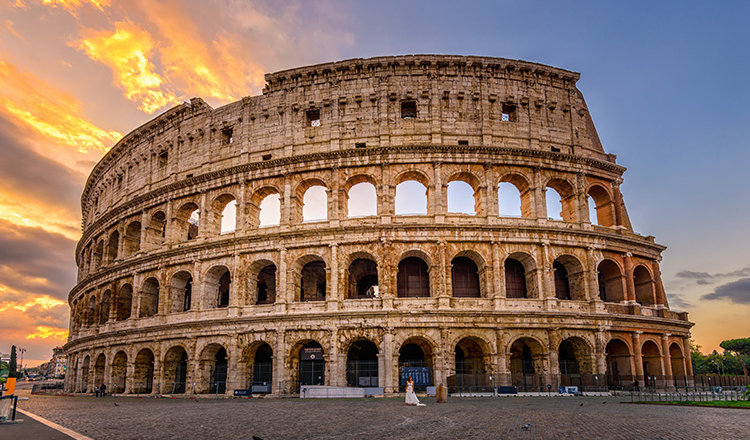
The Colosseum
Image Credit: Shutterstock
A British connection
Dan also heads to the British Museum where he meets Senior Curator Richard Hobbs to find out more about other evidence of gladiatorial combat on the fringes of the Roman empire in Britain, including the Hawkedon helmet (c43-70AD), found in a field in Suffolk. His journey finishes at Richborough Amphitheatre, where he speaks to Roman archaeologist and historian Dr Simon Elliot about the 12 amphitheatres found to date across Britain.
As Dan Snow reflects, the gladiator games were more than just entertainment. They served as a powerful tool for spreading Roman culture, assimilating conquered peoples, and pacifying the populace through “bread and circuses.” This raises a fascinating question: who were the real winners of the gladiatorial games?
Watch Gladiators: History’s Greatest Fighters and uncover the untold stories, the rigorous training, and the complex societal role of these iconic ancient warriors.
Watch Now