



About Lugo Cathedral
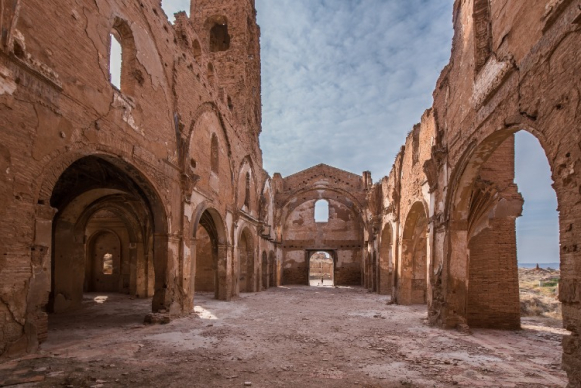
Lugo Cathedral (Catedral de Lugo), also known as Saint. Mary’s Cathedral, is a Roman Catholic church and basilica in Lugo, Galicia in north-west Spain. The cathedral reflects, through its eclectic architectural style, the changing periods of Spanish history.
Lugo Cathedral history
Lugo, founded by Celtic inhabitants, was later the most important Roman town in Gallaecia. Lugo was the seat of a concentus and later a capitals of Roman Gallaecia, also situated near a profitable gold mine. Centuries later, Lugo was found to be almost deserted by the Bishop Odoario in the 8th century, who set about reviving it. A church was therefore built on the site of Lugo Cathedral from 755 AD. During the Middle Ages, Lugo became a popular site of pilgrimage because it could display the consecrated host all day – a special privilege.
In 1129, Bishop Peter III commissioned a new edifice for the cathedral in the latest fashion from expert Raimundo de Monforte, a local architect and builder. The Romanesque church was completed in 1273, however, over the following centuries the cathedral would be further built, altered and repaired using a mixture of architectural styles.
In particular, some of the chapels date to the 14th century and were built in the Gothic style, including the northern entrance’s narthex, dating to 1510-1530, showing a starred vault and formed by three ornamental mouldings depicting Christ Pantocrater.
Beside the entrance a Gothic Torre Vella or bell tower was built, topped by a Renaissance floor finished by Gaspar de Arce in 1580. The sacristy and cloister (late 17th and early 18th century respectively) were designed in the Baroque style, as was the central chapel, dating to 1726. The chapel of St. Floilan, of which Lugo was responsible for organising the fairs in the 18th century, was another Renaissance addition, as was the ornate walnut choir stall.
Lugo Cathedral today
Visitors to Lugo Cathedral can descend a flight of stairs from the old Roman wall delivering you straight into the cathedral forecourt. Looking at the front and rear of the cathedral, you could easily think they were two separate buildings. At first a dark interior, the immense elaborate gold-work brightens you view as you advance up towards the main altar.
The cathedral also houses the Diocesan Museum.
Getting to Lugo Cathedral
Located in Lugo’s central Praza Maior, the cathedral is a 600m walk from the Lugo Bus Station, and a 15 minute walk from the city train station.