



From her infamous “Let them eat cake” (did she actually say it?) to her lavish reputation, Marie Antoinette remains one of history’s most fascinating and misunderstood figures. But beyond the caricatures and wild accusations of extra-marital affairs, what was the truth of her intimate life, her struggles, and her role in the French Revolution?
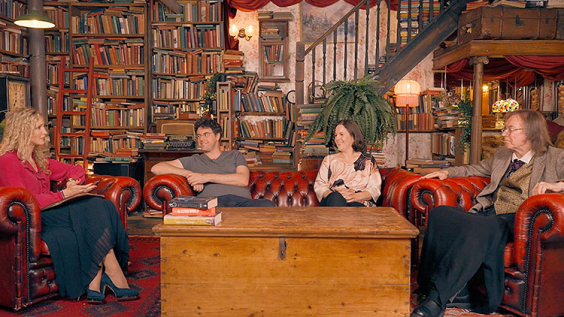
In the second episode of Betwixt The Sheets’ Royal Sex mini-series, Dr Kate Lister is joined by royal historian and Professor of French Literature at All Souls College, Oxford, Catriona Seth to delve into the surprising reality of France’s most famous queen. Was she truly the epitome of excess, or a young woman thrust into an impossible position?
 Listen Now
Subscribe to Betwixt The Sheets
An Austrian Princess, a French destiny
Born in Austria in 1755, Marie Antoinette was the youngest daughter of Holy Roman Emperor Francis I and his wife, the formidable Empress Maria Theresa. Maria Theresa, a powerful ruler in her own right, meticulously orchestrated strategic marriages for her children, aiming to weave a vast network of European kinship. When France and Austria, once hereditary enemies, formed an unexpected alliance, Marie Antoinette, aged just 14, became the crucial pawn: destined to marry the Dauphin, the heir to the French throne.
Kate and Seth reveal how her proxy wedding in Vienna marked the start of a daunting journey. Weeks of travel across Europe led her to Versailles, a court vastly different from her Austrian upbringing. Despite speaking and writing French, Marie Antoinette, not an intellectual by nature (though a gifted musician), found herself adrift in a rigid, unfamiliar world. She sought refuge in music, fashion, and interior design, developing an influential eye for elegance that continues to inspire haute couture today. These interests provided an escape from a daunting reality: a husband seemingly uninterested in her.
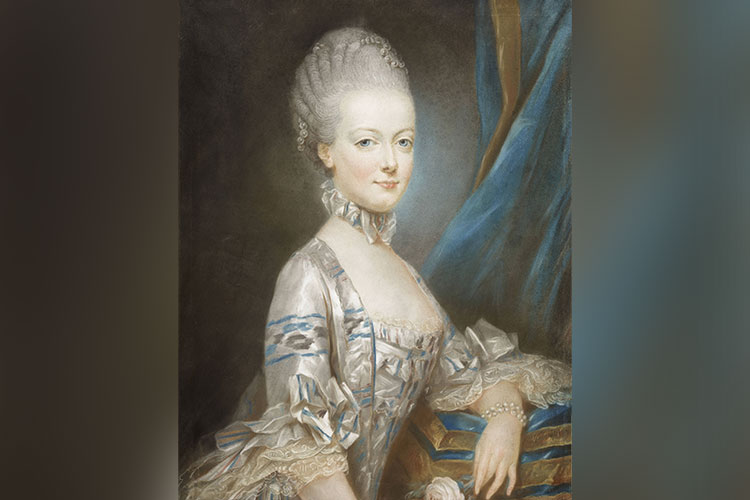
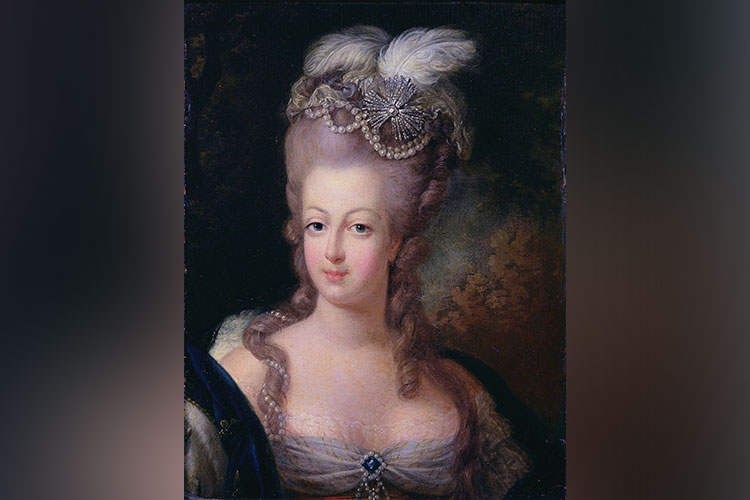
Archduchess Maria Antonia depicted at age 13 in a 1769 portrait by Joseph Ducreux, which was sent to the Palace of Versailles in May 1769
Image Credit: Public Domain
The unconsummated marriage: a royal scandal
The most enduring mystery of Marie Antoinette’s early life in France revolves around her marriage to the young Louis. For an astonishing 7 years, their union remained unconsummated – a fact that became a subject of hushed whispers and diplomatic concern across Europe.
Professor Catriona Seth explores the factors behind this, from Marie Antoinette’s startling lack of preparation for married life, lacking any basic “birds and bees” education, to Louis’s own hesitations – more interested in hunting and locksmithing than his young wife. His own lack of understanding, or perhaps reluctance, regarding conjugal duties, further complicated the situation.
The intense pressure from her mother, Maria Theresa, who continually reminded her daughter of her duty to produce a French heir, only heightened Marie Antoinette’s isolation and precarious position. Versailles was a public stage, and the lack of an heir fuelled rampant speculation, undermining her reputation even before more serious accusations emerged.
It was only after direct intervention from Marie Antoinette’s adored older brother, Joseph, the Holy Roman Emperor, that the situation finally resolved. Joseph’s frank conversation with the young couple proved to be the ultimate catalyst, leading to the long-awaited consummation and, eventually, the birth of several children. For Marie Antoinette, motherhood became a deeply fulfilling role, a stark contrast to the distant upbringing of earlier French queens.
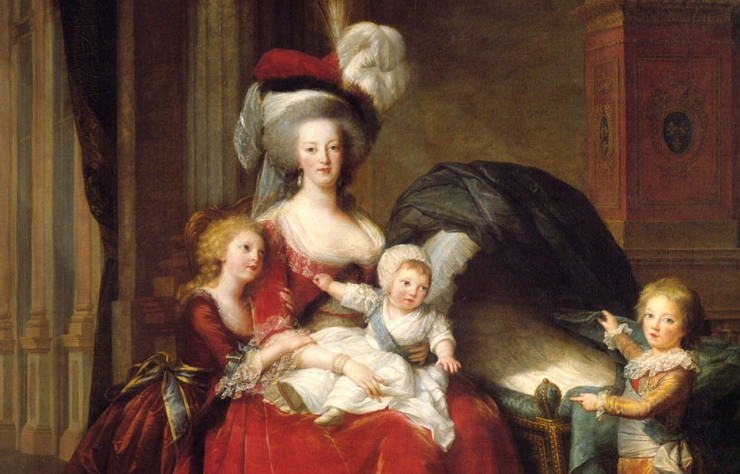
Marie Antoinette depicted with her three eldest offspring, Marie Thérèse, Louis Joseph and Louis Charles. Another child, Sophie Beatrix, was born in 1787
Image Credit: Public Domain
The queen of excess?
As Queen, Marie Antoinette gained a notorious reputation for extravagance and excess. But how much of this was true, and how much was revolutionary propaganda? Seth explores Marie Antoinette’s genuine passion for fashion and jewellery – often her only true personal possessions as a foreign bride, and how her elaborate hairstyles referenced current events.
Ironically, as queen, Marie Antoinette also sought to carve out a rare space for intimacy and privacy, building a small, personal retreat in the grounds of Versailles. This desire for a simpler, more private life, normal in Austria, was seen by the French public as suspicious, fuelling rumours of scandalous behaviour and contributing to the perception that she was “out of touch” with her suffering people, even though her private letters suggest genuine concern for the poor.
Scapegoat and icon
As anger and revolutionary fervour swelled across France, Marie Antoinette became a potent target. The podcast explores the barrage of salacious, often pornographic, pamphlets that viciously attacked her reputation, accusing her of countless affairs. While historical evidence for these dalliances is largely absent, except for lingering questions around her close bond with the Swedish nobleman Count Axel von Fersen, these rumours served a clear political purpose: to weaken the King by portraying his Queen as immoral and disloyal. Her Austrian heritage also made her an easy scapegoat.
The revolution ultimately stripped her of everything. After King Louis XVI’s execution in January 1793, Marie Antoinette endured brutal imprisonment, separation from her children, and a sham trial. Despite the terror, she faced her end with remarkable dignity, heading to the guillotine on 16 October 1793.
Marie Antoinette became a symbol of everything the revolutionaries despised in the aristocracy. But could she have done anything to stop the revolution or change her fate? Perhaps not. Yet, her visibility, particularly her distinct style, ensured her extraordinary recognition as a fashion icon, even in death.
Listen to Royal Queen Sex: Marie Antoinette to uncover the intimate life, political struggles, and enduring myths of one of history’s most iconic and tragic queens.
Listen Now