


About Yalape
Yalape in Peru was an ancient Chachapoyan city and the second largest such settlement after Kuélap.
History of Yalape
Probably built around 1100 AD, Yalape was a large urban centre and contained a host of residential areas spread out over at least four hectares, second only to Kuélap. The site was later abandoned along with other major Chachapoyan cities.
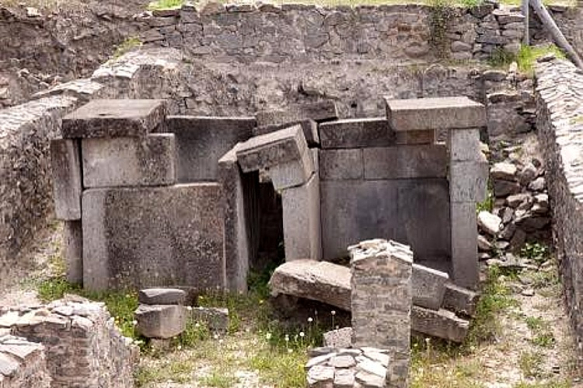
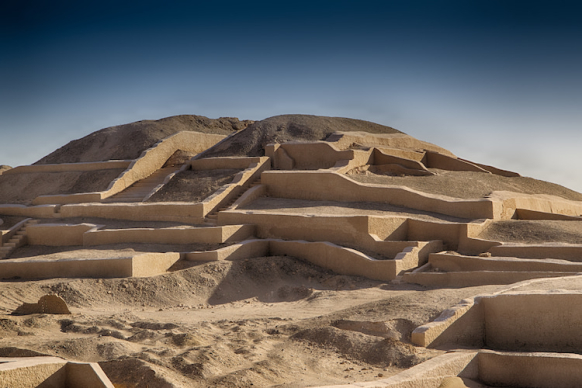
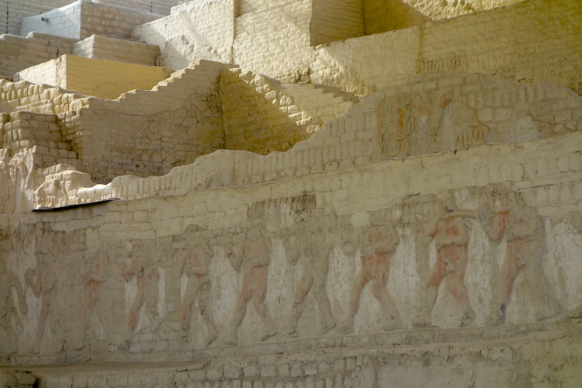
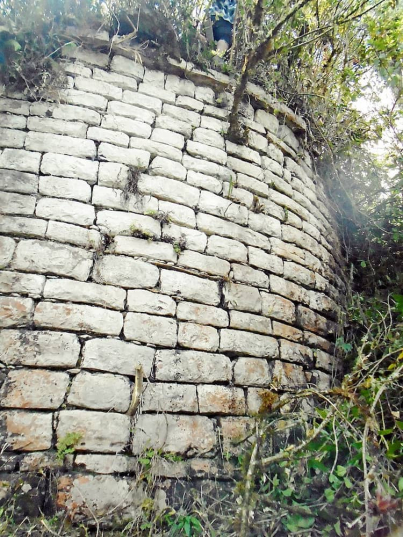
Today the site is largely overgrown but certain elements remain, including low walls and the stone circular foundations of houses and communal buildings which were built in the typical style of the Chachapoyas, predominantly using limestone. Yalape also contains the ruins of the original irrigation system and a number of elaborate, high-relief stone friezes similar to those found at Kuélap.
Yalape today
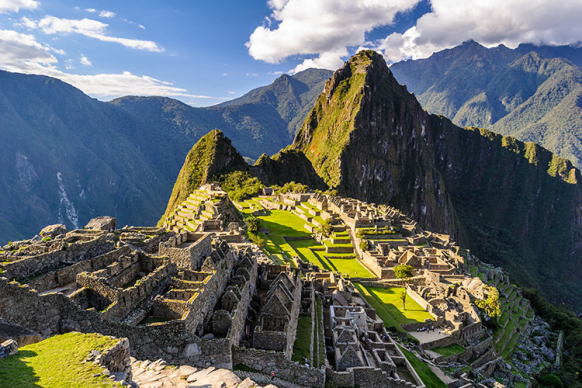
This isn’t Machu Picchu – but many have likened it to how they imagine Machu Picchu was when it was ‘rediscovered’ in 1911. Atmospheric, misty, and remote, it captures the imagination of those who make the effort to visit, and it’s a rich reward for your efforts. As such, don’t come expecting anything in the way of signage, explanation or amenities. Part of Yalape’s charm is its untouched nature – very little of it has been excavated so it’s up to you to explore and visualise what might have once been here.
For the full early 20th century explorer experience, take the 13km path – the remnants of an Inca trail – back down to Chachapoyas afterwards. The views are stupendous but keep an eye on the ground beneath your feet too, particularly in wet weather as it can be muddy and slippery.
Getting to Yalape
Most visitors access Yalape from the nearby town of Chachapoyas. From there, you’ll need to hop in a combi / bus towards Levanto, and get out at the Km 17 marker – bear in mind that these don’t run super frequently, so do check precise timings (and returns) before you set out. Once you’re at Km 17, you should see an orange sign marking the entrance to Yalape. It’s then a 200m climb to the ruins themselves through fields – keep your eyes peeled and you might spot various other friezes and ruined structures en route.