


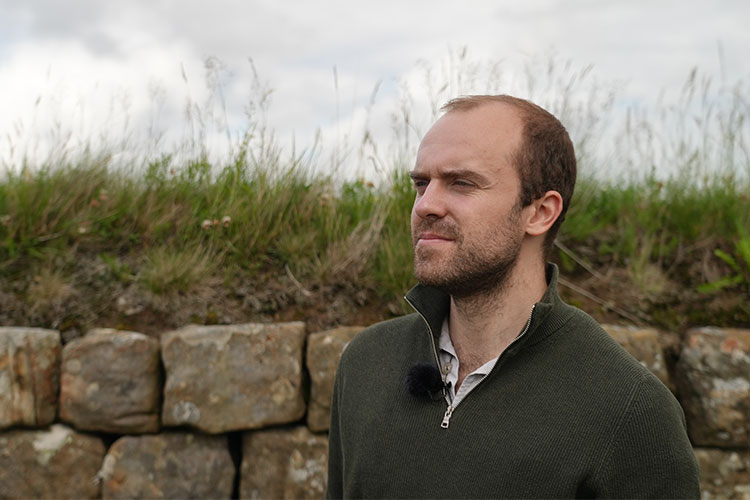

For centuries, the story of the Picts has been told through the eyes of their most famous enemy, the Roman Empire. Depicted as painted barbarians at the edge of the known world, their true identity has remained a mystery for over a millennium. Now, a revolution in archaeology is rewriting their story, revealing a culture far more complex, powerful, and sophisticated than imagined.
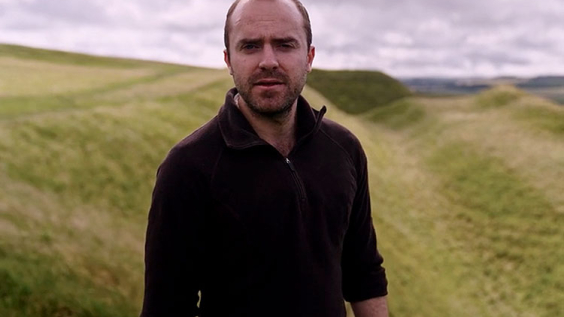
In a new documentary, Enemies of Rome: In Search of the Picts, Tristan Hughes travels across Scotland to go beyond the myths and uncover the truth. He meets the experts, explores the latest discoveries, and investigates how these enigmatic people lived, thrived, and ultimately vanished.
 Watch Now
Beyond the Wall
The Roman Empire’s northern frontier was marked by Hadrian’s Wall, a towering fortification that the Romans believed was the very edge of civilisation. Beyond it, in the wild and untamed lands of what is now Scotland, lived the Picts – a name likely derived from the Latin Picti, or “painted people.”
While Roman sources dismissed them as “barbarians,” they were a people who resisted conquest, even pushing back against Rome’s most ambitious attempts to expand north. The Romans built the Antonine Wall 100 miles north of Hadrian’s Wall, but it was ultimately a failure. By the 3rd century, the Picts emerged free of Roman control, their formidable resistance a testament to their strength and organisation.
But with no written records of their own, we’ve long had a one-sided view of them. So who were they? The programme takes us to the heartland of Pictish territory, modern-day Aberdeenshire, to a newly excavated hill fort called Tap O’Noth. What archaeologists have found there is a “real revolution” in our understanding of Pictish society. The site was once a massive settlement with hundreds of house platforms, proving that these people were far more organised and lived on a scale previously thought impossible for the period.
Survival and creativity
With so few surviving written records, archaeology is our only real window into the Picts’ world. The discoveries reveal people who were not just surviving in a rugged landscape, but were also thriving. We see tools for agriculture, evidence of craftsmanship, and even objects that hint at a life of leisure, like gaming pieces influenced by the Roman Empire.
The Picts were masters of their environment, creating essential tools like the coracle – a small, woven willow-framed boat covered in oxhide – that allowed them to navigate their unforgiving world. But they also brought colour into their lives.

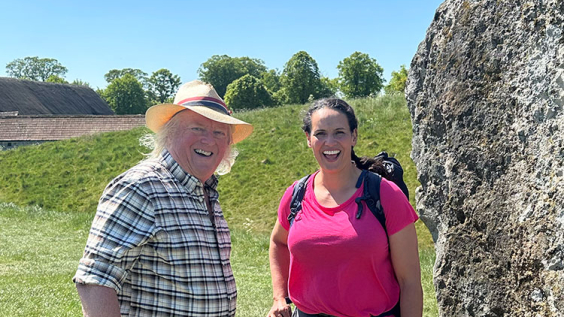
Tristan Hughes (left) is given a crash-course in Pictish daily life with Historical Leatherwork Specialist, Hamish Lamley (right), who makes Tristan dress the part, and teaches him how to build a coracle (‘currach’) – a small boat, typical of what was being used throughout this period.
Image Credit: History Hit
Contrary to the common myth of blue-painted warriors, new research suggests a different story. The name Picti may refer to body paint made from red hematite iron ore, a pigment found on Scottish beaches.
As Tristan learns from Caroline Nicolay, an Experiential Archaeologist, the Roman historian Caesar’s texts were likely mistranslated, and the “blue” we associate with the Picts may have been a reference to the translucent colour of glass rather than the dye woad. This sheds a new light on how we should envision these formidable people charging into battle.
These discoveries are a powerful reminder that the real story of the Picts is far more complex than the Roman portrayal of them as savage warriors. Their daily lives weren’t just about fighting off Roman invasions; they had time for creativity, artistry, and a vibrant cultural life.

Tristan Hughes talks to Caroline Nicolay, an Experiential Archaeologist, about the vibrant pigments the Picts may have used, such as hematite, found on many Scottish beaches.
Image Credit: History Hit
Silver, symbols, and a shifting identity
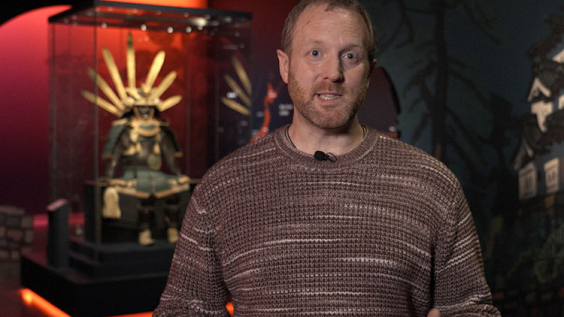
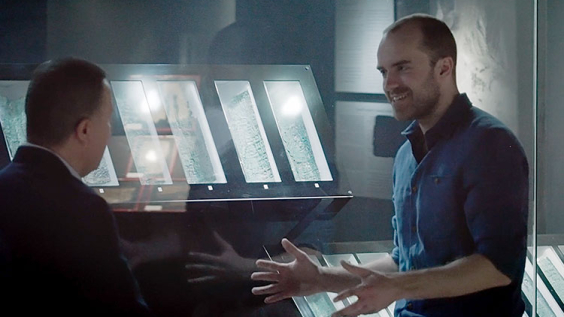
The Picts also left behind some of the finest silver objects from anywhere in the early medieval world. Tristan heads to the National Museum of Scotland to meet Dr Martin Goldberg, Principal Curator, where he’s given special access to examine the Norrie’s Law hoard up-close, a massive collection of Late Roman and Pictish silver from the 6th century discovered in 1819 in Fife.
These treasures reveal a fascinating truth: the Picts didn’t just resist Rome; they traded with them, acquiring and repurposing precious Roman silver into distinctly their own works of art. These artefacts – including massive silver chains that were likely worn by powerful women or adolescents – were not just symbols of wealth, but a form of “proto-currency” and communication that showed what truly mattered to them.

Tristan Hughes at the National Museum of Scotland viewing items from the Norrie’s Law hoard, a massive 6th-century Pictish silver hoard discovered in 1819 in Fife, Scotland.
Image Credit: National Museum of Scotland / History Hit
Perhaps the Picts’ most enduring legacy is their enigmatic carved stones. Found across Scotland, these monuments are covered in striking, mysterious symbols that have puzzled historians for centuries. One particular hotspot is the village of Aberlemno in Angus, where Tristan views several carved Pictish stones and discusses their meaning with Historian and Heritage Stone-carver David McGovern.
While their exact meaning remains unknown, David suggests the symbols were likely so ingrained in Pictish culture that their meaning was widely understood. The fact that the symbols endured for so long and are found across a large territory indicates they were a powerful form of communication. This, combined with their frequent appearance in pairs, leads him to believe the carvings are “something to do with tribes, families, dynasties… alliances”, serving as a testament to the Picts’ sophisticated belief system and unique identity.

One of the Aberlemno Pictish Stones in Scotland
Image Credit: Fulcanelli / Shutterstock.com
The ultimate mystery, however, is what happened to them? As Tristan uncovers, Pictish identity didn’t disappear, but evolved. The arrival of Christianity saw their ancient traditions blend with a new faith, creating something entirely their own. But by the 10th century, as new powers rose, the Picts vanished from the historical record, being gradually absorbed into the emerging kingdom of Alba, the foundation of modern Scotland.
The great enigma of the Picts has ensured that the Roman, damning portrayal of them as barbaric has stuck for centuries. But now, thanks to archaeology, that myth is falling away, revealing a people who were fiercely independent, highly skilled, and profoundly human.