



80 years ago, on 9 May 1945, the small Channel Island of Jersey was liberated from five years of brutal Nazi occupation. This often-overlooked chapter of World War Two saw a corner of Britain, just 14 miles off the coast of France, endure a unique and harrowing ordeal.
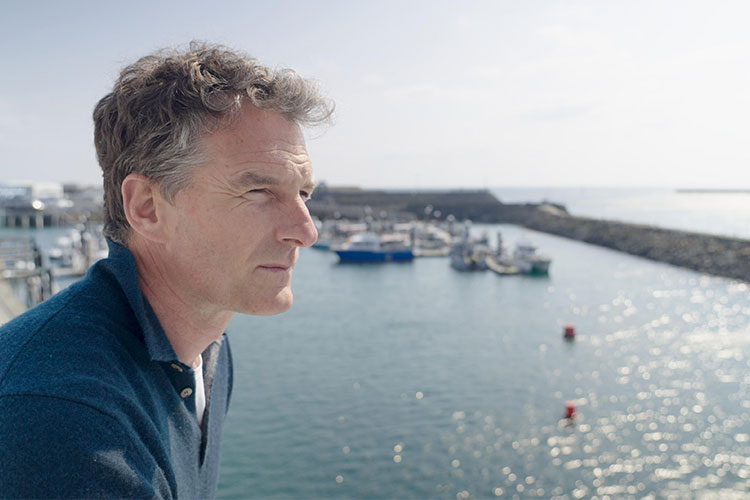
In History Hit’s powerful new documentary, Fortress War – Liberation80 Jersey, Dan Snow travels to the island to explore the compelling history of its occupation and eventual liberation, meeting experts and survivors to uncover the profound challenges of the war years.
 Watch Now
An island abandoned
Jersey, a mere 9 miles by 5 miles, became the only part of Britain occupied by Nazi forces during World War Two. Following France’s surrender in 1940, and deemed indefensible by Britain, Winston Churchill made the difficult decision to demilitarise Jersey. Thousands of islanders evacuated, while over 40,000 braced for the inevitable.
Unaware of the demilitarisation, the Luftwaffe bombed Jersey and Guernsey on 28 June 1940, and by 1 July, the Germans arrived, transforming island life as the occupation began. By the end of the first year, over 10,000 German troops were stationed on Jersey. Hitler wanted to use the Channel Islands as a launchpad to invade Britain, but what did life become for those who stayed?
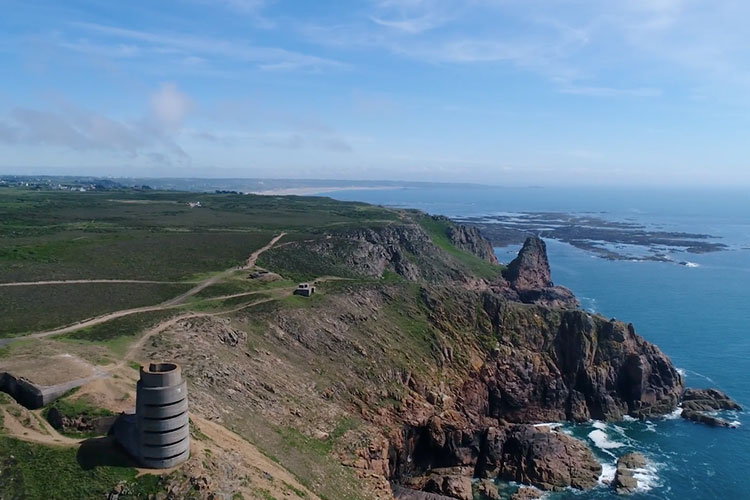
German World War Two tower that remains on Jersey
Image Credit: History Hit
Compliance and resistance under Nazi rule
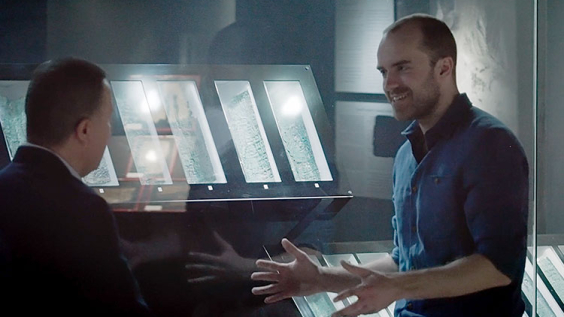
In the documentary, Dan heads to the Jersey Museum to meet Occupation Historian Lucy Layton, Curator for Jersey Heritage, to learn more about the immediate impact of German rule.
Lucy explains some of the measures islanders were forced to adapt to in their new reality, including the use of German currency and timezones, the banning of radios unless German-controlled, and only German propaganda films being shown in cinemas. Every resident had to carry an identity card, with Jewish islanders’ cards stamped with a red ‘J’ – some were even deported to concentration camps.
Despite severe penalties, acts of sabotage and resistance emerged, with some islanders courageously hiding escaped slave labourers and prisoners of war. Lucy reveals poignant stories of active defiance, highlighting courageous individuals like Dorothea Le Brocq, who sheltered a Jewish woman at immense personal risk. Defiance came at a terrible cost, with over 1,300 islanders imprisoned.
Dan also learns from Lucy about the tragic fate of Louisa Gould, arrested for hiding a Russian POW and possessing an illegal radio, serving as a powerful reminder of her sacrifice.
Hitler’s Fortress: The Atlantic Wall on British soil
Fearing a British attempt to retake the Channel Islands, on 20 October 1941, Hitler ordered them to be transformed into an impregnable fortress. Dan talks to historian Michael Billings and learns more about Organisation Todt (OT), which brought in 16,000 forced labourers from across Europe and North Africa. They were housed them in brutal camps where many perished building colossal fortifications for Hitler’s Atlantic Wall, including massive bunkers and gun batteries that still scar Jersey’s landscape today.
In the programme, Dan explores one of the largest structures carved out by these workers: the Jersey War Tunnels, a subterranean network over 1 km long.
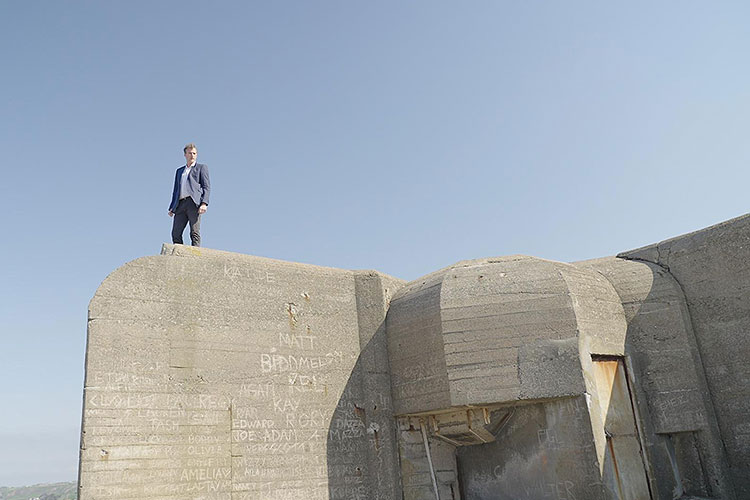
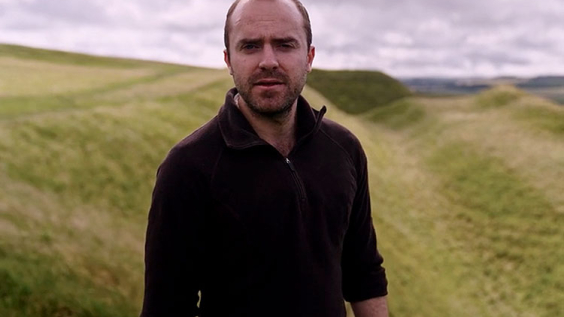
Dan Snow on top of German fortification in Jersey, built as part of Hitler’s ‘Atlantic Wall’ fortifications.
Image Credit: History Hit
The long wait for liberation
The war’s progression brought increasing hardship. Discover how a German crisis in Iran led to the deportation of all non island-born British nationals to German internment camps. Around 650 British nationals were sent to Wurzach internment camp in southern Germany. Dan meets Lola Garvin, who was a baby when her family was deported, hearing her powerful testimony about what life was like for them.
Following D-Day in June 1944, hope swelled, but the Allies chose not to divert forces to liberate the Channel Islands and German control persisted. Supplies dwindled, leading to extreme food and fuel shortages.
The Germans, however, continued work on their ‘impregnable fortress’. In the programme, Dan visits St Catherine’s Bunker with World War Two historian Phil Marrett, exploring one of the 17 large tunnels on Jersey and gaining special access to the tunnel’s rear, revealing machine-gun posts and even graffiti left by its builders.
After Germany’s eventual surrender, finally, on 9 May 1945 British Force 135 arrived and the Germans officially surrendered Jersey, ending five long years of occupation. Dan hears about the immense clean-up operation that followed, as the island sought to erase the physical remnants of Nazi rule whilst celebrating their liberation – celebrations that continue annually, 80 years later.

Dan Snow watches the Liberation Day parade in Jersey, 2025 – 80 years after the liberation.
Image Credit: History Hit
Watch “Fortress War – Liberation80 Jersey” to witness the compelling story of courage, hardship, and ultimately, liberation, from this unique chapter of World War Two.
Watch Now