



About Ingá Stone
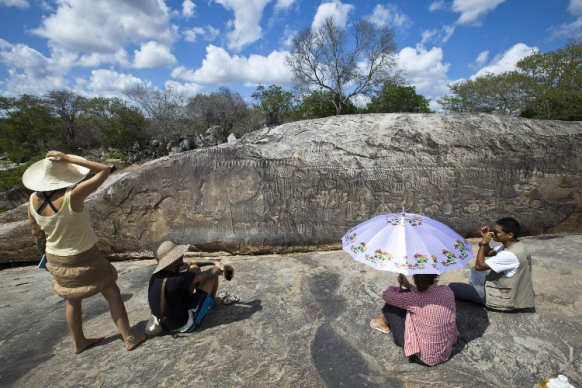
The Ingá Stone is a rock formation near the Ingá River in northeast Brazil which includes symbols and glyphs thought to have been produced by the pre-Columbian indigneous inhabitants of the region.
History of the Ingá Stone
The archaeological site of the Ingá Stone, also known in the Tupi-Guarani language as the Itacoatiara do Ingá and Pedra do Ingá in Portuguese, is near the town of Ingá in northeast Brazil. The meaning of the carvings remain uncertain, but may allude to astronomy, animals and fruits.
The site was one of the first monuments of protected rock art in Brazil, exceptionally recognised for its artistic and historical importance. The Ingá Stone site consists of multiple basalt stones covered with glyphs. The main outcrop, featuring the three main rock art panels, forms a wall 24 metres long and 3.5 metres high at its highest point.
The engravings are generally non-figurative, and created using a technique of pecking at the stone and then polishing the grooves. Some of the figures also retain traces of pigment, suggesting they may have been coloured.
The first reports of rock art in the state of Paraíba were made by European settlers in the 16th century. The rock art at Ingá are the most representative group of a particular type of engraving tradition in Brazil.
Ingá Stone today
The Ingá Stone is located on the riverbed in the open air, which exposes it to a wide array of natural degradation processes in addition to human disturbance. Environmental risks include wind, rain, flood and temperature changes. The stone retains symbolic significance for the descendants of the indigenous population of the region.
Getting to the Ingá Stone
The Ingá Stone site is 5 km from the town of Ingá along a road. It is 96 km from the state of Paraíba’s capital city of João Pessoa. The site is protected by the Brazilian agency responsible for cultural heritage, and there is a visitor sign-in book though no entry fee.
Featured In

Brazil Historic Sites
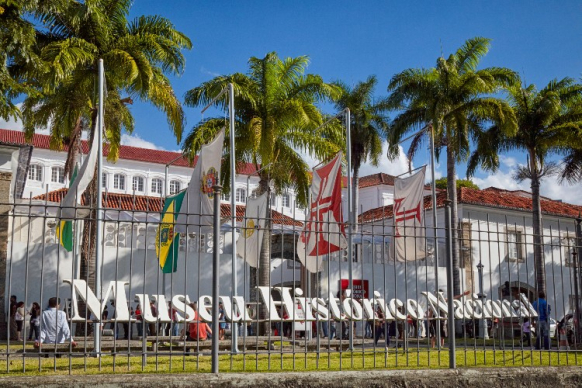
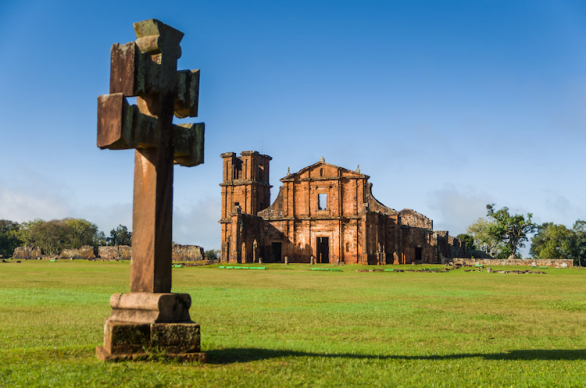
Discover the best historic sites in Brazil, from the National Historical Museum to the ruins of Sao Miguel das Missoes.