



About Museo Botero
Museo Botero is an art museum located in the La Candelaria district of Bogota, Colombia. The museum was founded in 2003, following a major bequest from Ferdinand Botero in 2000. Today, it houses one of Latin America’s foremost art collections and receives around half a million visitors each year.
History of Museo Botero
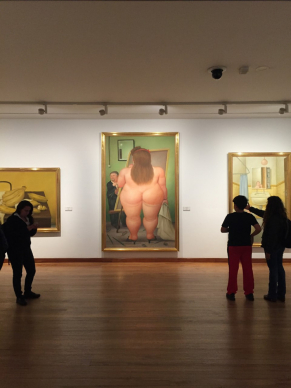
Ferdinand Botero is one of Colombia’s most famous living artists: his style, Boterismo, is unique, as he paints what he has termed ‘large people’ – people with exaggerated proportions, normally as a means of critiquing or satirising prominent figures. He rose to international fame in the 1990s, and his work has been displayed globally: he received the International Sculpture Centre’s Lifetime Achievement in Contemporary Sculpture Award in 2012. Whilst Botero’s work is not hugely well known in Europe, you might recognise his 1964 painting of Pope Leo X, which has been turned into a popular meme.
Botero also painted a series based on drug violence and cartels in Colombia in the 1980s/90s, and caused further controversy with his Abu Ghraib series, which looked at abuse in Iraqi prisons by Americans.
Museo Botero today
In 2000, he bequeathed 123 pieces of his own work and 85 other items from his collections to the people of Colombia, and worked with the Banco de la Republica to create a setting in which they could be appreciated and enjoyed to their utmost. One of the stipulations of the bequest was for the museum to be free to all, so that people from all walks of life and backgrounds could enjoy, study and learn from Botero’s work.
The museum remains a very pleasant way to spend the afternoon: the east wing contains Botero’s collection, whilst the other wings house his own work. The museum is open every day except Tuesdays, and remains free to all.
Getting to Museo Botero
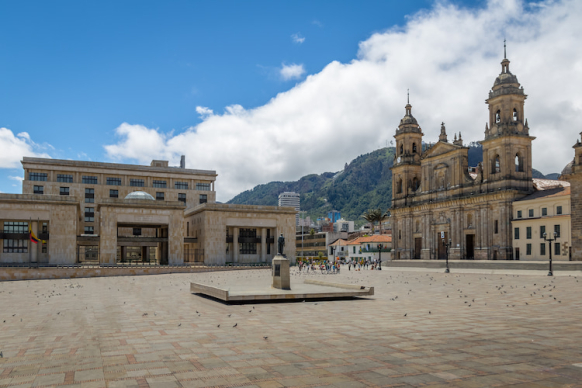
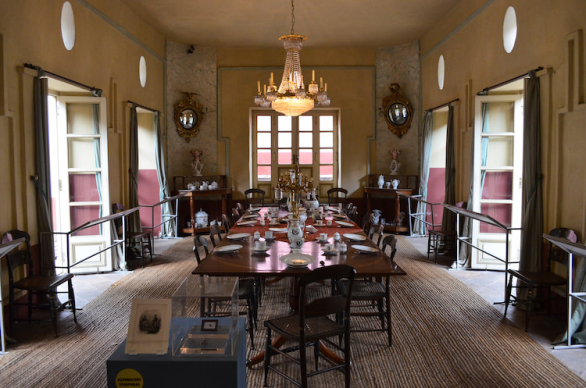
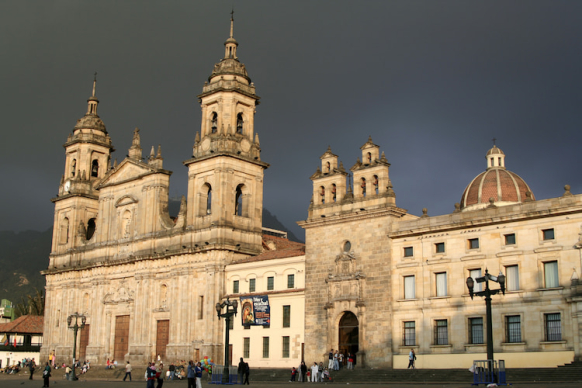
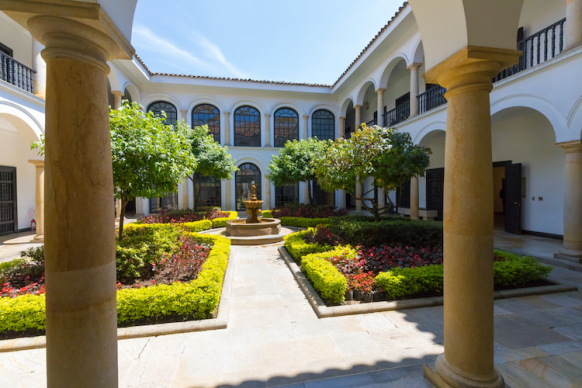
The Museum is helpfully located in La Candelaria, where many of Bogota’s main cultural attractions can be found. The museum is free to access, and housed in an old colonial administration building.