


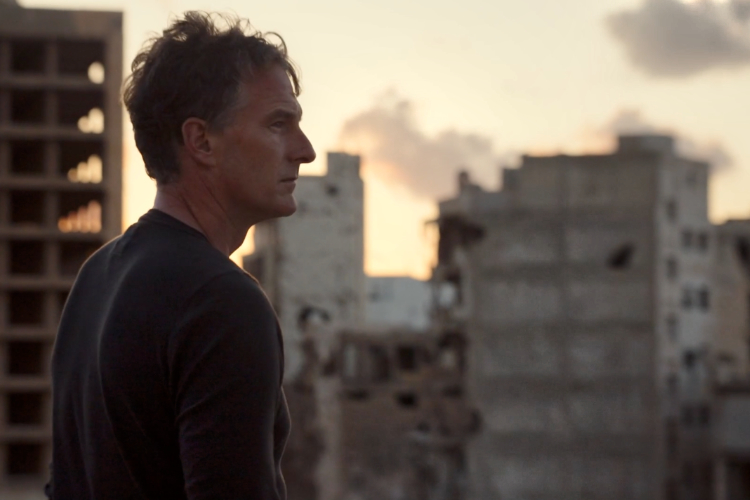

In the wake of conflict, global priorities typically centre on immediate essentials like food, water, and shelter. However, for the people of Benghazi, cultural identity remains a fundamental necessity. Since 2011, Libya has endured profound upheaval and civil war, leaving its second-largest city a landscape of sharp contrasts – where the shattered ruins of the past sit alongside rapid, modern development.
As stability finally takes hold, the sheer pace of reconstruction raises a critical question: how can a city’s ancient and colonial heritage be preserved amidst such accelerated change?
In History Hit’s compelling new documentary, Heritage After Conflict: Libya, Dan Snow visits this resilient Mediterranean port to explore how the conservation of historic sites and cultural heritage serves as a vital engine for social and community recovery. Produced in collaboration with the World Monuments Fund and the British Council, the film offers a unique perspective on the intersection of history and humanitarianism, examining why protecting a society’s past is a non-negotiable step in rebuilding its future.
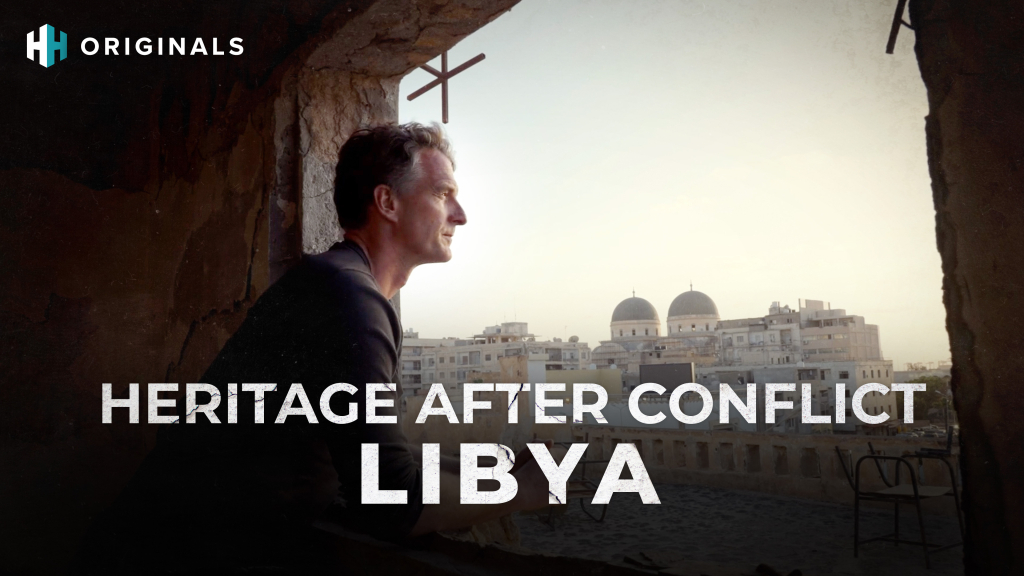 Watch Now
Barah Arts: The heart of the community
The journey begins at Barah Arts, an colonial-era Italian building located in the historic centre of Benghazi. Supported by the World Monuments Fund (WMF) and the British Council’s Cultural Protection Fund, the site serves as both a conservation project and a cultural hub.
Founder Hazem Ferjani explains that the name “Barah” means a “wide, welcoming place.” Here, volunteers gather to practice traditional crafts, poetry, music, and photography. For Hazem, the project is essential to maintaining Libyan identity. “If we forget who we are, there is no meaning to life,” he tells Dan. “We are Libyan. We have a heritage… We must deliver it to the new generation so they don’t forget who they are.”
By engaging local youth, Barah Arts demonstrates that cultural preservation isn’t just a luxury, but also a practical tool for community stability and long-term recovery.
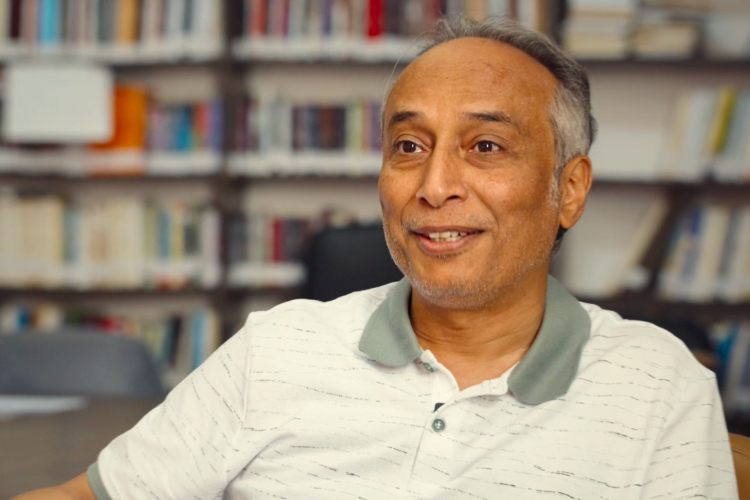
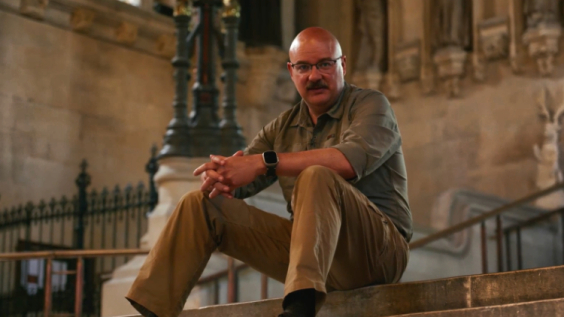
Hazem Ferjani, founder of Barah Arts
El Manar Palace: A rebirth from the rubble
In the documentary, Dan examines the restoration of El Manar Palace, a prominent Benghazi landmark. Originally constructed in the 1930s as an administrative centre during the Italian fascist colonial period, the building was later heavily damaged when it became a literal battlefield. During the civil war, room-to-room fighting left the structure hollowed out by fire and riddled with structural cracks.
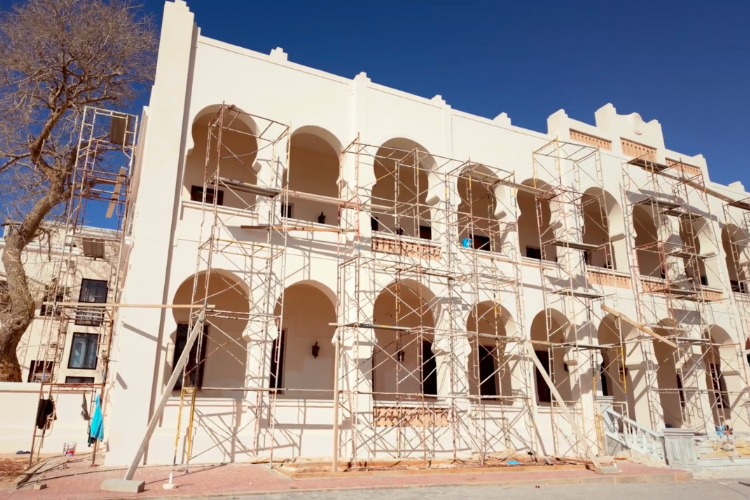
El Manar Palace, Benghazi
Dan meets with Wali Obiedy of the Benghazi Historic City Management Authority to discuss the decision to restore rather than demolish the site. While it might have been easier to bulldoze the ruins, Wali insists that doing so would be an act of communal amnesia. “This is part of the city’s memory,” he notes. “You cannot erase a huge part of the city’s memory and history.”
Viewers will see the results of this labour including original marble that survived the flames and Italian maker’s marks on restored mosaics. Rather than being hidden to obscure an uncomfortable colonial past, these details are being meticulously restored to provide a transparent account of Benghazi’s complex history.
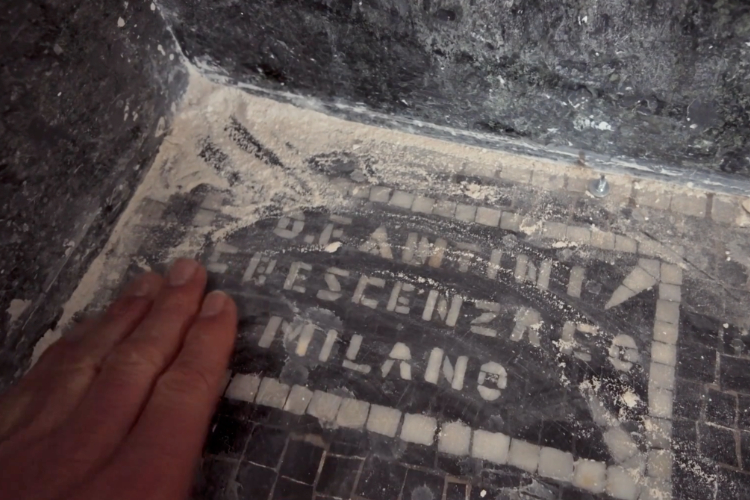
Italian maker’s mark on restored mosaic within El Manar Palace
The cathedral and the Scably: Heritage for the people
The documentary doesn’t shy away from the scars of war. Dan gains rare access to the ruins of the Benghazi Cathedral. A landmark of the 1930s, the structure survived World War Two only to sustain heavy damage during more recent fighting.
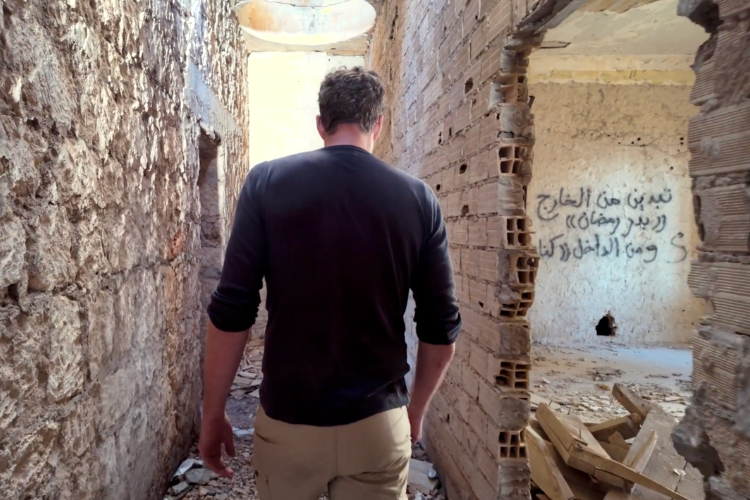
Dan walks amongst the ruins of the Benghazi Cathedral
Image Credit: History Hit
John Darlington of the World Monuments Fund notes that the long-term survival of such sites often depends on finding new ways for them to serve the modern community. This “people-first” practical approach to heritage is also reflected in the restoration of open spaces like the Scably, one of the city’s oldest neighbourhood squares.
By prioritising the cleaning and landscaping of these communal areas, the project emphasises that cultural preservation and heritage isn’t just about grand monuments – it includes functional public spaces where residents of all ages gather and socialise.
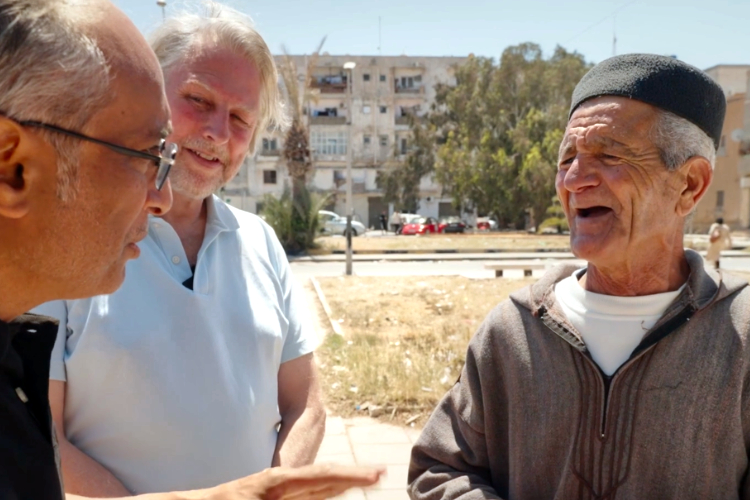
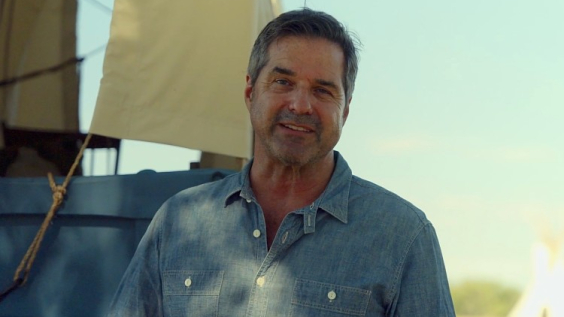
John Darlington from the World Monuments Fund and Hazem Ferjani from Barah Arts talk to locals in Benghazi about what they would like to see in public spaces
Image Credit: History Hit
From Berenice to Cyrene: A 2,500-year legacy
The documentary also examines the broader region of Cyrenaica, an area settled by the Greeks over 2,500 years ago as part of the ‘Pentapolis’ – a group of five cities that included Berenice (modern-day Benghazi).
At the epic Temple of Zeus in Cyrene, Dan reflects on the potential for heritage tourism to eventually support and boost Libya’s economy. However, as Mona Habib from the British Council explains, the primary goal remains safeguarding. “When you’re protecting the heritage, you’re protecting the people around it. You’re protecting their memories,” she says.
The documentary highlights the essential role of local NGOs in this effort. Because they live and work among these ancient sites, they possess a level of outreach and trust that international organisations may not easily achieve.
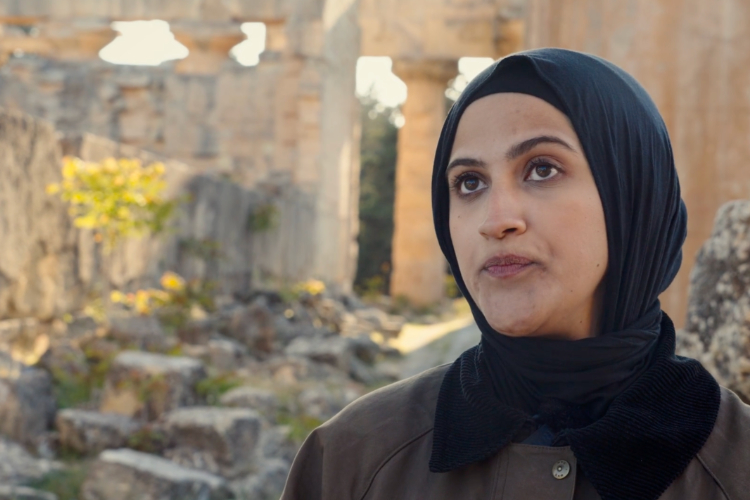
Mona Habib from the British Council at the Temple of Zeus in Cyrene
Image Credit: History Hit
Heritage After Conflict: Libya offers a rare window into the delicate balance between destruction and rebirth, from the scarred remains of the Italian Cathedral to the meticulous restoration of El Manar Palace.
Yet, as this thought-provoking documentary reveals, this journey from the urban pulse of Benghazi to the ancient heights of Cyrene is about far more than the survival of stone and mortar. By spotlighting the local architects and visionaries dedicated to this recovery, the film demonstrates that heritage conservation is a vital engine for post-war social stabilisation and communal healing.
Ultimately, it serves as a powerful reminder that while conflict can level a city’s skyline, the cultural identity forged within its walls remains a force that is far more difficult to extinguish.