




He’s the ultimate folk hero: a master archer who steals from the rich to give to the poor, an icon of rebellion and justice. The legend of Robin Hood has been passed down for centuries in ballads, poems, and blockbusters, shaping our image of medieval England. But who was the man behind the myth? Was he a real person, a composite of many, or simply a timeless symbol of hope?
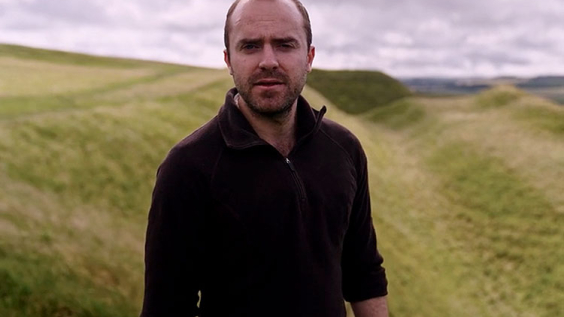
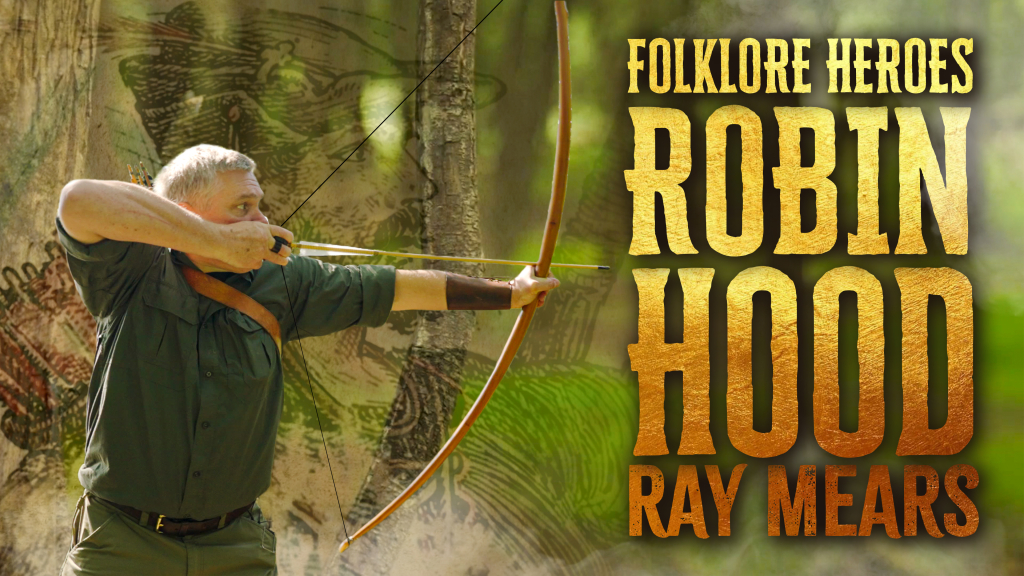
In a new documentary, Robin Hood: Ray Mears Folklore Heroes, renowned woodsman and survival expert Ray Mears embarks on a quest to uncover the truth. Blending his knowledge of the wilderness with a passion for history, Ray explores the landscapes, documents, and people that have shaped this enduring tale. From the ancient oaks of Sherwood Forest to a forgotten medieval manuscript, he unearths the real history woven into the legend, revealing why the story of Robin Hood has resonated with generations.
 Watch Now
The man behind the myth
While the first mention of the name Robin Hood appears in a court register from 1226, during the reign of King Henry III, the first ballads didn’t emerge until the 15th century. By then, the story was already widely known and evolving, with new characters and adventures being added over time. But the legend’s popularity raises a central question: why did it begin?
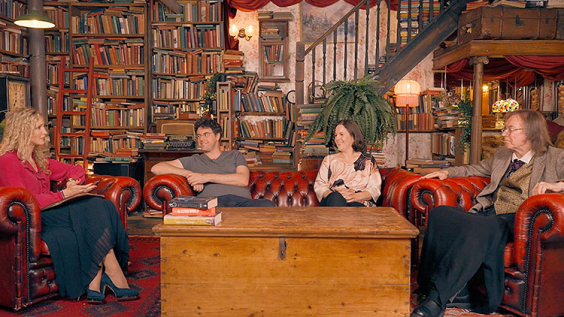
Historians have posited several theories for a “real” Robin Hood. Some link him to the reign of Richard the Lionheart, a popular choice today. Others place him in the tumultuous era of the Second Barons’ War or the late 13th century under King Edward I. Ray meets with Professor Laura Ashe, an expert on the legend’s origins, who advises him to look not for hard facts, which are few and far between, but for the symbols and meanings that have made the story so powerful, as well as the social and political context of the time.
The programme takes us to the ancient forests that were the heart of Robin Hood’s world. In medieval England, the countryside was a harsh, hand-to-mouth existence for the vast majority of people who worked the land as serfs.
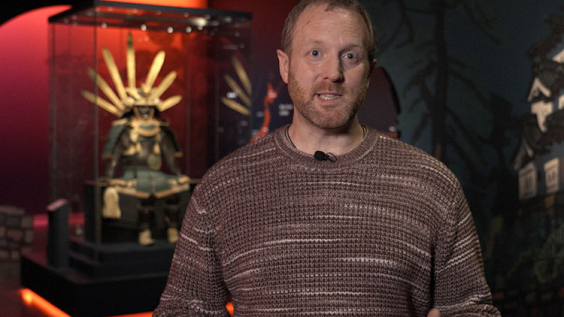
Ray talks to History Hit’s medieval historian Matt Lewis who explains how life changed dramatically after the Norman Conquest in 1066, with the Normans centralising power and, in an act that criminalised the common people, enclosing vast areas of the countryside as “royal forests.” Suddenly, the traditional right to roam and forage for food was gone, reserved exclusively for the king and his elite. This injustice created a simmering resentment that became fertile ground for rebellion.

Medieval historian Matt Lewis (left) discusses the impact of the Norman invasion of England with Ray Mears (right).
Image Credit: History Hit
Ray explores these landscapes, looking for clues to the mindset of the time. The contrast between the free-roaming Anglo-Saxon way of life and the oppressive Norman rule may have given birth to stories of folk heroes like Robin Hood. He wasn’t the first; there were other real-life rebels like Hereward the Wake, but what made Robin Hood’s legend endure was its elusive, almost mythical nature.
A hero of the forest
While we associate Robin Hood with a longbow, its importance to the story is deeply rooted in history. The longbow was a decisive weapon in legendary battles like Agincourt, and by the 14th century, its importance was so great that English law required every man to practice with one on Sundays. It’s no surprise that Robin Hood, the ultimate symbol of justice, would be a master of this weapon. Ray joins a fellow archer to practice “roving,” a form of long-distance archery, making it easy to imagine Robin and his merry men testing their skills in the woods.

Major Oak Tree in Sherwood Forest, Nottinghamshire. The tree was said to be Robin Hood’s Principle Hideout. Image Credit: Shutterstock
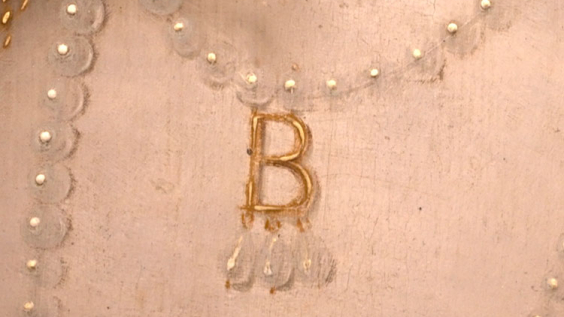
Ray’s quest for historical evidence takes him to Lincoln Cathedral. Tucked away in its library is a medieval document that offers one of the earliest glimpses into the legend. A 15th-century doodle in a 13th-century book contains the first known reference to Robin Hood in Sherwood, a simple inscription that proves the story was already so well-known that a young student would scrawl it on a parchment.
The programme also explores the connection between Robin Hood and The Green Man, a mythical figure of English folklore said to embody the spirit of the wild. Both are creatures of the forest and bedecked in green, a color used for camouflage by hunters. As medieval historian Hetta Howes explains, the function of a myth is to help us understand society, and both Robin Hood and the Green Man reflect a deep connection to nature and a sense of justice that transcends reality.
Magna Carta and the Sheriff of Nottingham
Perhaps the most compelling link between the legend and real history lies in two of the most important documents in English law: the Magna Carta and the Charter of the Forest.
By the late 15th century, the Robin Hood stories began to include historical figures, most notably the villainous King John and the ruthless Sheriff of Nottingham. While history has not been kind to King John, his disastrous reign left an extraordinary legacy. The Magna Carta, sealed in 1215, was a foundational document of English law that established that the king was not above the law.
As Ray discovers, the Magna Carta contains a key reference that connects the legend to real life. The document specifically names a real-life villain who was removed from office: Philip Marc, the Sheriff of Nottingham. This proves that the myth of a “nasty” sheriff was based on a very real person, and that the grievances portrayed in the story were real.

The Charter of the Forest, 1225 reissue, held by the British Library
Image Credit: Wikimedia Commons / The British Library / Public Domain
The story doesn’t end there. The Charter of the Forest, a second document from 1217, restored rights to the common people that had been taken away by the Normans. It removed the death penalty for crimes in the forest and, as a curator points out, contains a clause that Robin Hood himself would have approved of: it pardoned anyone who had been outlawed for forest offences.
Ray’s journey reveals that while we may never know the true identity of Robin Hood, the legend is so much more than a tale. It is a story that has adapted itself to the needs of every age, a timeless tale of a hero who finds the strength and courage to fight against tyranny. This is why the story of Robin Hood – a symbol of justice, freedom, and the natural world – endures.