



For centuries, our vision of Iron Age Britain was forged in a “Celtic” trope of hyper-masculine warrior elites ruling from the ramparts of monumental hillforts like Maiden Castle. In this pre-literate era, we imagined a society defined solely by male aggression and tribal warfare.
However, at Duropolis in Dorset – Britain’s largest known Iron Age cemetery – archaeologists are uncovering a society that looks less like a patriarchy and more like a sophisticated matrilocal network. New DNA evidence suggests that 2,000 years ago, it was the women who anchored the community, owned the land, and wielded the keys to the supernatural.
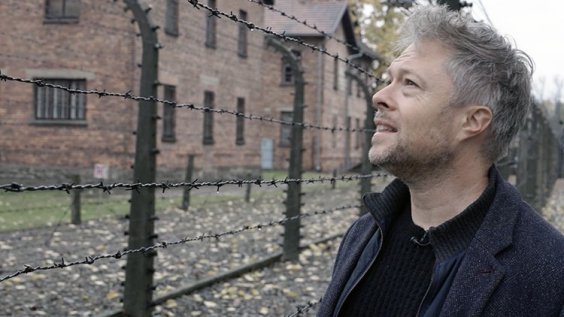
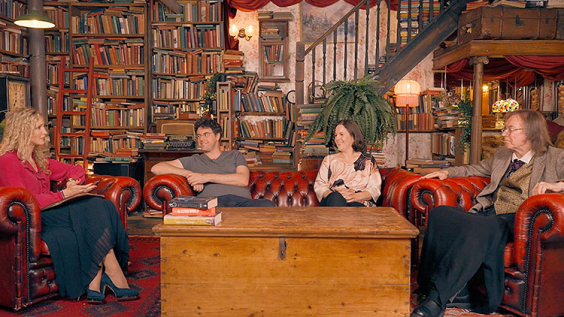
In History Hit’s documentary Iron Age Women: Rulers of the Land, Tristan Hughes explores how groundbreaking genetic research is dismantling the warrior myth to reveal the true prominence of women in pre-Roman Britain.
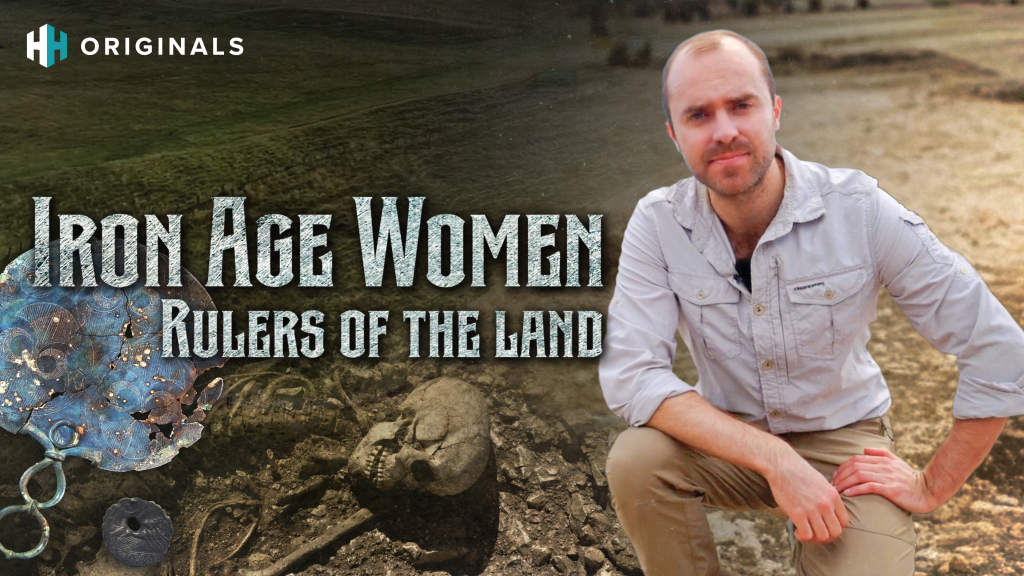 Watch Now
Reassessing power
Traditional narratives focus on the localised male violence that met the Roman legions in 43 AD. However, modern archaeology is dismantling the myth of the singular “warrior king.” Evidence now reveals a nuanced social structure where women frequently held central authority. Findings suggest many hilltop strongholds were abandoned long before Rome arrived, replaced by settlements ruled not by male aggression, but by stable, female-led lineages.
Duropolis: the “silent majority” of the Iron Age
Fifteen miles east of Maiden Castle, excavations near Winterborne Kingston are rewriting history. Led by Bournemouth University’s Dr. Miles Russell, the site – dubbed “Duropolis” – reveals an expansive settlement of elite farmsteads. Unlike most tribes, the Durotriges practiced formal burial in large numbers, providing a unique bioarchaeological window into ancient life via 50+ unearthed skeletons.
Dr. Russell argues these domestic farmsteads are more representative of the true Iron Age experience than rare, militarised strongholds. Here, skeletal evidence provides physical proof of female prominence, suggesting a world where women held significant territorial and domestic authority.
Techniques such as photogrammetry create high-resolution 3D digital renders, enabling the preservation of the spatial context of remains for post-excavation study. This synergy of digital reconstruction and paleogenetics allows researchers to reconstruct Iron Age family trees with unprecedented accuracy.
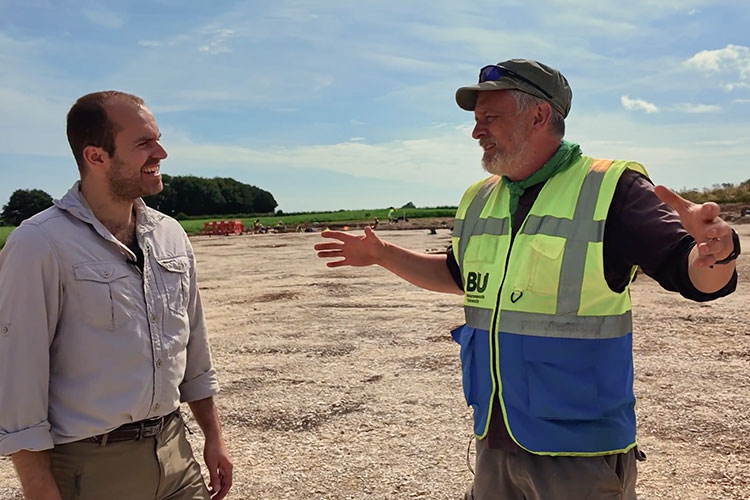
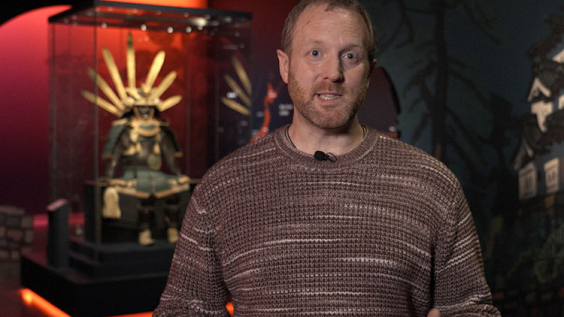
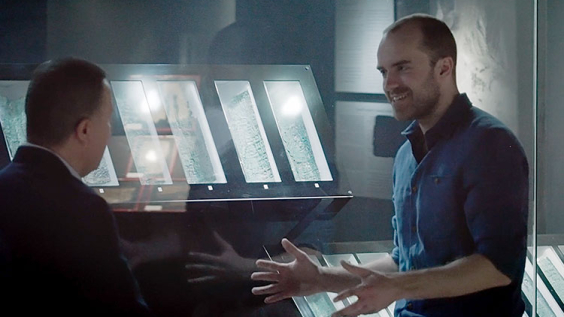
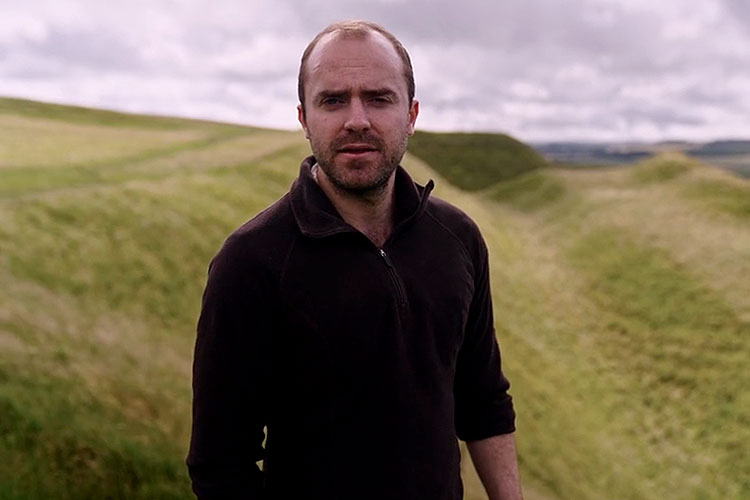
Tristan Hughes and archaeologist Dr. Miles Russell from Bournemouth University, at the Duropolis site.
Image Credit: History Hit
The “Durotrigian Eve”
The most startling revelation comes from the laboratory. Tristan joins Dr. Lara Cassidy of Trinity College Dublin to examine the DNA of 55 individuals from Duropolis, which she explains reveal a “classic signature of matrilocality”.
Two-thirds of the community share an identical mitochondrial type, tracing back seven generations to a single female ancestor – a “Durotrigian Eve” from the 2nd century BC. While these female lines remained unbroken, male lineages were incredibly diverse, with men migrating from as far as Derbyshire and France to join established, female-led households.
In archaeological terms, matrilocality is a high-accuracy predictor of elevated female status. As Dr. Cassidy notes: “If you were going to pick a period of prehistory to be a woman, it probably was a pretty good one.” This genetic precision allows researchers like Dr. Martin Smith to move beyond generalities, constructing specific “histories” of human connection that effectively bridge the gap between prehistory and the recorded past.
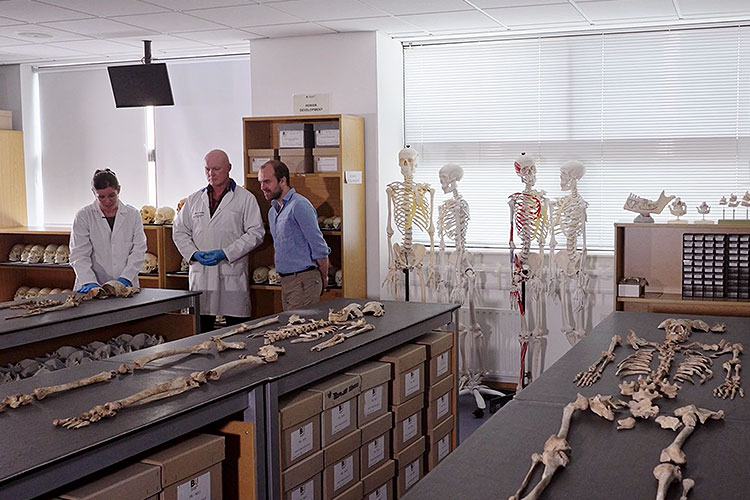
Dr Lara Cassidy, a Geneticist from Trinity College, Dublin, and Dr Martin Smith, Biological Anthropologist at Bournemouth University, with Tristan Hughes seeing three generations of female skeletons from the Duropolis site.
Image Credit: History Hit
Wealth, mirrors, and magic
Dr. Martin Smith (Biological Anthropologist, Bournemouth University) highlights that the ‘wealthy burials’ at Duropolis “always seem to be women”. These graves contain high-value objects suggesting women were the primary holders of material and spiritual prestige.
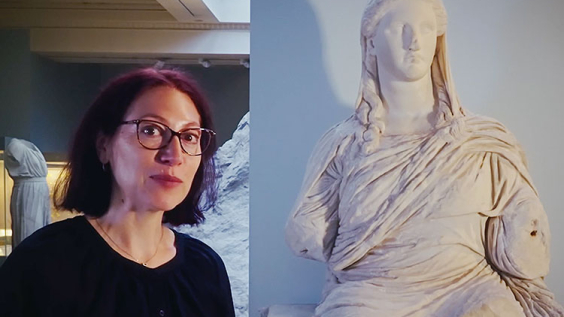
Among the most intriguing finds are rare Iron Age mirrors. Far from vanity items, Professor Melanie Giles from the University of Manchester, describes them as “potent, even dangerous weapons of the spirit world.” In the flickering light of a roundhouse, a woman wielding such a captivating object held a domain of authority reserved exclusively for females.
This power extended to the battlefield. One young woman’s grave contained a chariot amulet depicting a victorious female driver – a symbol mirrored in the massive Melsonby Hoard. It suggests the “War-Queen” archetype, famously associated with Boudica, was a standard feature of British social structures rather than a historical fluke.
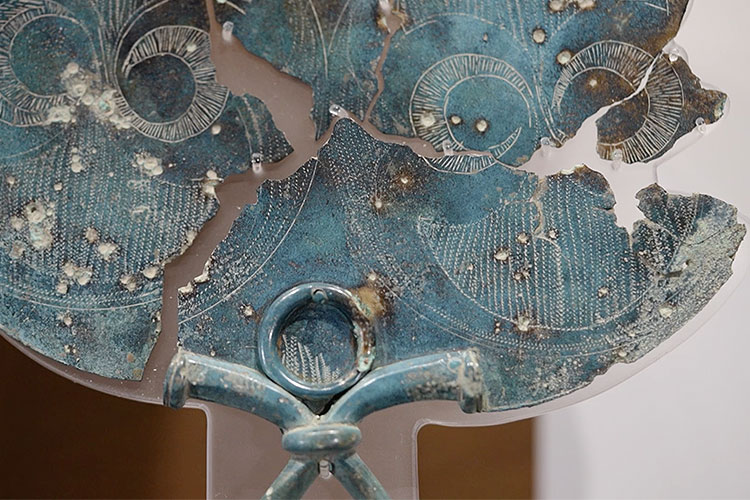
Close-up of Iron Age mirror, found at the Duropolis site, with Celtic art motifs on one side
Image Credit: History Hit / The Dorset Museum
From ritual sacrifice to female judges
Bioarchaeological analysis also reveals a darker, more nuanced hierarchy. Dr. Martin Smith identified vitamin C deficiencies (scurvy) in certain skeletons, suggesting distinct dietary tiers and social differentiation. While elite women received elaborate burials, other remains found in storage pits point to potential human sacrifice.
Yet for the living, the roundhouse served as a sophisticated political hub. Therese Kearns of Butser Ancient Farm points to ancient origins of the “Brehon Laws” – suggesting women held high-status roles as Druids, poets, judges and healers.
The end of an era
The arrival of the Roman Legions in 43 AD imported a rigid patriarchal hierarchy that effectively ended this age of female power. As Roman law took hold, the ancient custom of matrilocality faded.
However, now, by combining archaeology, history, and DNA, we are finally reading the biographies of the women who truly ruled the land.