



About Plaza de Mayo
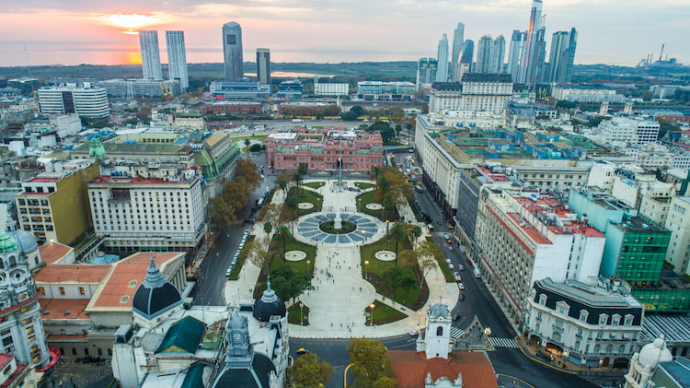
Plaza de Mayo is famous and politically significant square in Argentina’s capital, Buenos Aires.
History of Plaza de Mayo
The first plaza was established in 1580 during Juan de Garay’s foundation of Buenos Aires itself, but it was never really seen through. When the Jesuits arrived in the 17th century, they bought up the plot of land and over time, the site became built up and formalised by the colonial government. The site was known originally as the Plaza de la Victoria.
In 1883, following independence, the colonnade down the centre of the plaza was removed, and the site was renamed Plaza de Mayo, in recognition of the 1810 May Revolution which helped bring about Argentina’s independence from Spain.
Plaza de Mayo also contains the May Pyramid, a statue commemorating the May Revolution and the newly independent “Provinces of the Rio de la Plata”, which was installed in 1811.
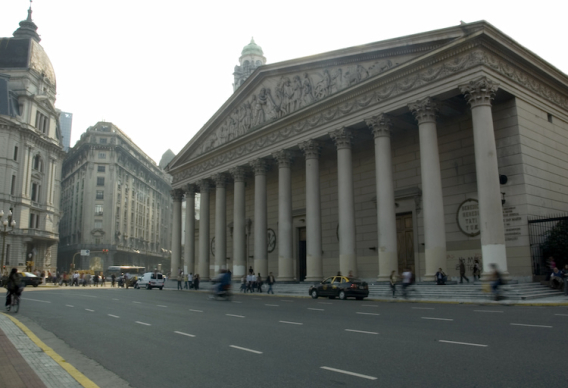
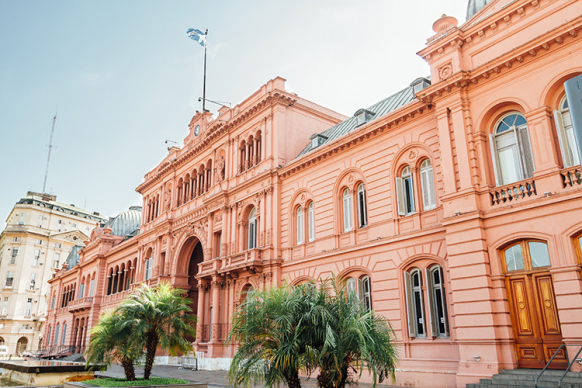
Overall, Plaza de Mayo is an important focal point for political life in Argentina and is where most of its political institutions are housed, including the Casa Rosada from which Eva Peron or “Evita” addressed the people and city hall. The Metropolitan Cathedral of Buenos Aires can also be found here.
Plaza de Mayo today
Many still view Plaza de Mayo as the centre of Buenos Aires, and it remains the beating heart of protest or celebration in Argentina.
Today it’s also the focal point for the group known as the Madres de la Plaza de Mayo (Mothers of the Plaza de Mayo), who assemble here on Thursday afternoons, holding photos of their missing children. Argentina’s ‘dirty war’, a period of military dictatorship between 1976 and 1983, is still contentious recent history, and the women gather here in memory of all those who disappeared in this period, and in the name of all the loved ones lost.
Getting to Plaza de Mayo
You’ll stumble across Plaza de Mayo in any trip to Buenos Aires – it’s in the heart of the city, and has several metro stations serving it: Catedral, Bolivar, Peru or Plaza de Mayo will bring you out at the right spot. Buses also stop on the roads running around it so you have plenty of options when it comes to transport.
Featured In

Argentina Historic Sites
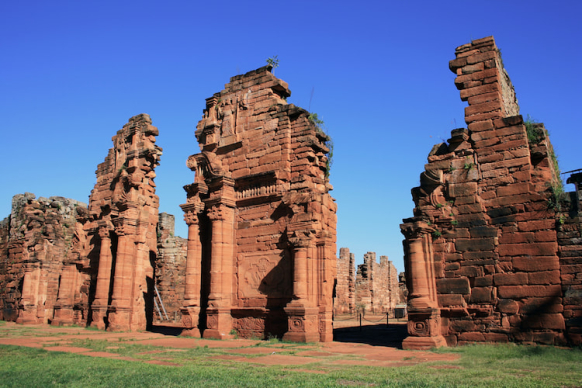
Discover the best Historic Sites in Argentina, from San Ignacio Mini to Nuestra Senora de Loreto.