


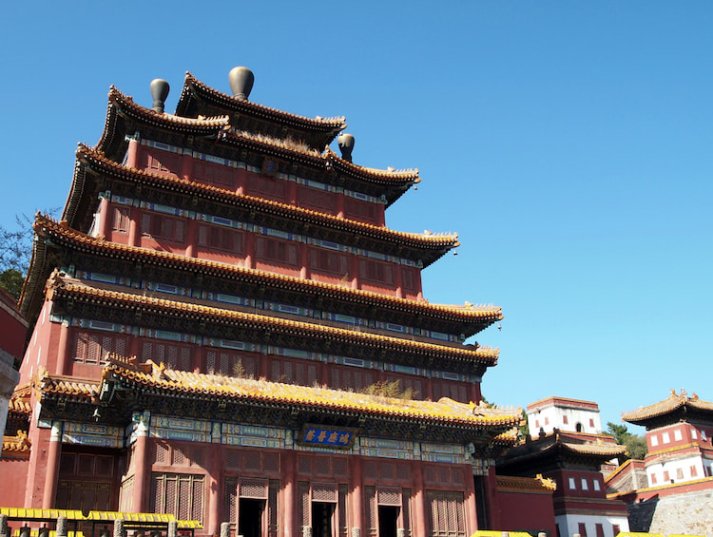
About Puning Si
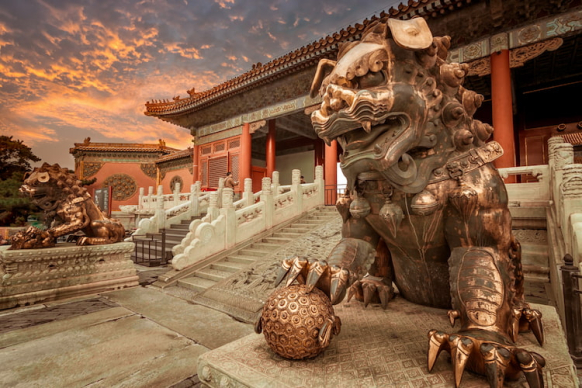
Puning Si in Chengde, China, also known as the Temple of Universal Peace, is an 18th century temple built by the Qing emperor Qianlong.
Puning Si history
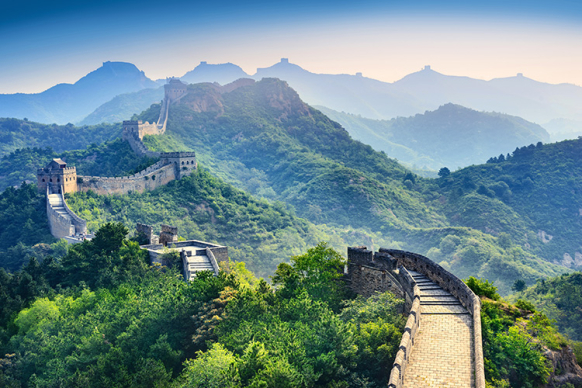
A blend of Chinese and Tibetan architecture, Puning Si was intended to be a symbol of harmony between the ruling dynasty and the ethnic minorities in the area. In particular, it was meant as a monument to the Dzungar Mongols, whom the Qianlong emperor had defeated. Puning Si is part of a larger complex of temples and palaces in Chenge known as the Imperial Summer Retreat originally established in 1703.
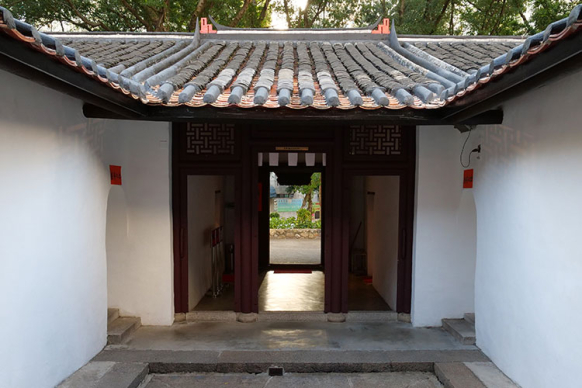
Puningsi temple is one of the Waibamiao (Eight Outer Temples) of Chengde. By integrating elements of Han, Mongolian and Tibetan architectural art and culture the Outlying Temples crystallize the achievements of cultural exchanges and integration among different ethnic groups in the course of the development of Chinese architecture.
Puning Si was built in 1755 by Emperor Qianlong to commemorate his victory over the Dzungar people and to memorialise his hope that a period of universal peace would prevail. The temple is supposedly built in imitation of the Sangye monastery in Tibet, though the architectural features are mostly Chinese with some Tibetan elements.
Dominated by the 122-foot high red-coloured Mayahana Hall and surrounded by a series of buildings on a terrace, Puning Si is resplendent with Buddhist symbols and shrines. The most impressive of these is the statue of Guanyin, which rises a spectacular 73 feet and can be seen from viewing galleries.
Puning Si today
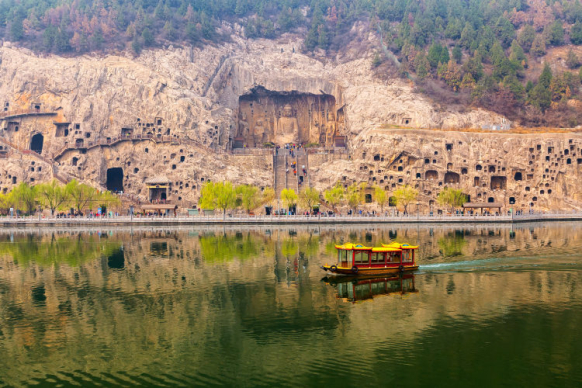
Puning Si is part of the UNESCO World Heritage site of the Chengde Mountain Resort and its Outlying Temples. It is also featured as one of our Top Tourist Attractions of China.
Getting to Puning Si
To reach the temple by public transport visitors can take Bus 6 or 26 to Puning Temple, or Bus 15 to Dafo Si. Some visitors also choose to take a taxi. It costs 5 yuan from Xumi Fushou Temple to Puning Temple, or from Qingchui Peak to Puning Temple.
Featured In

China Historic Sites
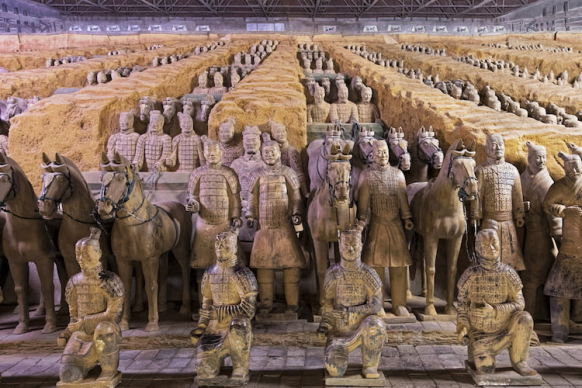
Discover China's rich history at these 10 sites across the country, from the ancient Terracotta Army to the birthplace of Mao Zedong.