



About The Kasserine Pass
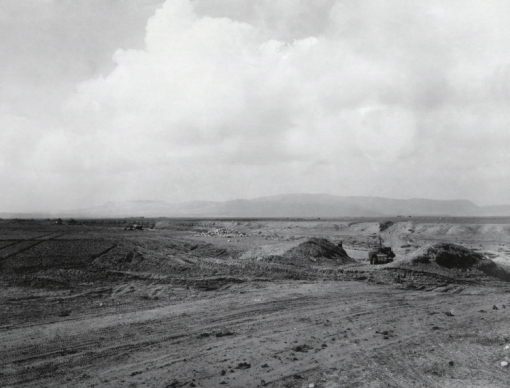
The Battle of the Kasserine Pass was a World War II battle which formed part of the clash between Allied and Axis forces to gain control of Tunisia, known as the Tunisia Campaign. It would be the worst defeat the US had yet experienced in the course of the war.
History of The Kasserine Pass
In February 1943, the German-Italian Afrika Korps led by General Erwin Rommel attacked US forces, mostly the U.S. Army’s II Corps, who were defending a two-mile wide valley within the Dorsal Mountains in Tunisia. This gap, known as known as the Kasserine Pass, was seen as a weak point by Rommel, who aimed to push the Allies out of Tunisia and improve his supply lines.
The Battle of the Kasserine Pass was fought between 19 and 25 December and resulted in the retreat of US forces as well as significant losses on their part. With over a thousand men killed in the battle and hundreds being taken as prisoners of war, the Americans suffered a disastrous defeat. Yet, in the aftermath of the Battle of Kasserine Pass, they learned from mistakes made and thus made significant strategic changes which served them well in later battles.
The Kasserine Pass Today
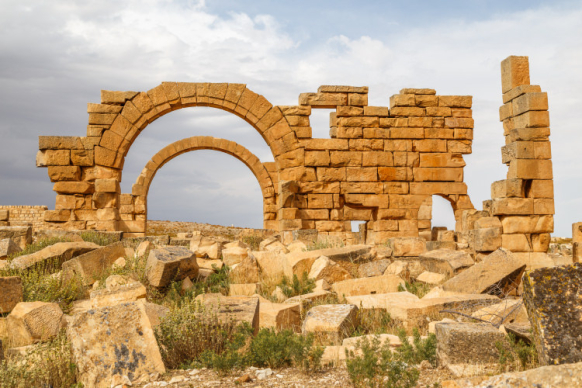
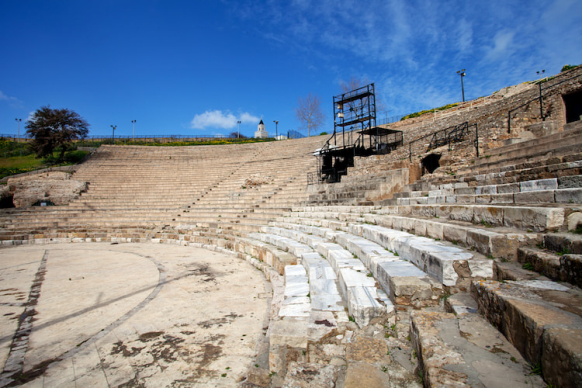
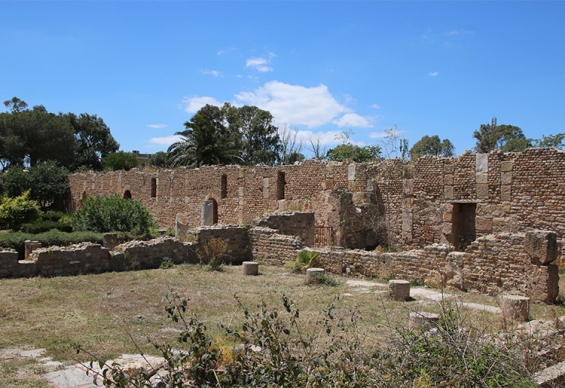
There is little to see here now except to travel along the battle site. In the area, however, is the archaeological site Ammaedara, which contains the ruins of a Roman legionary outpost, such as the partially reconstructed Basilica of Melleus, a Byzantine fort, the Arch of Septimius Severus, and a mausoleum. It’s worth requesting a tour since the area is poorly-signposted – the best way to do this is by getting in touch with the Friends of Haidra Association.
Getting to The Kasserine Pass
From the centre of Tunisia, Kasserine is reachable in around 4 hours by car via the P13 road. It is very remote, and due to its proximity to the border with Algeria, is advised against visiting except for essential travel.