



About Mauthausen Concentration Camp
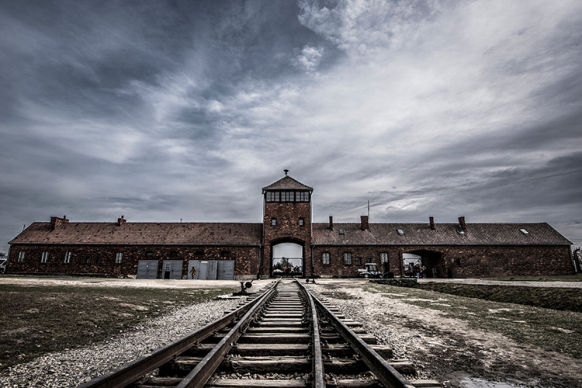
Mauthausen Concentration Camp or ’KZ Mauthausen’ was a vast Nazi concentration camp in northern Austria.
History of Mauthausen Concentration Camp
First established in 1938, Mauthausen Concentration Camp was built through the slave labour of prisoners from another such camp, Dachau. Initially Mauthausen was a prison camp, but it became a labour camp in 1939 to deal with the influx of political prisoners.
Over time, it grew to encompass a number of sub-camps, such as Gusen Concentration Camp. The site was chosen because of the quarrying carried out in the area – prisoners were put to work quarrying granite.
Prisoners at Mauthausen Concentration Camp included those labelled as criminals, but were mainly comprised of anyone opposed to the Nazi regime, especially on a political or ideological basis. At a later stage, large numbers of Jews from concentration camps like Auschwitz were also transported there.
Like in all such Nazi camps, prisoners at Mauthausen were subject to numerous ongoing atrocities, such as starvation, torture, overcrowding and slave labour. Inmates at Mauthausen Concentration Camp were quite literally worked to death in the camp’s quarries and munitions factories, while the Nazis reaped the financial benefits of their work. Those who didn’t perish as a result of hard labour were liable to die of disease, malnourishment or to be killed in gas chambers. The camp is notorious for its Todesstiege (stairway of death) leading from the quarry to the camp.
Over 119,000 of the almost 200,000 prisoners at Mauthausen Concentration Camp had died there by the time it was finally liberated by American forces on 5 May 1945.
Mauthausen Concentration Camp today
Today, Mauthausen Concentration Camp is open to the public, who can see the original camp and the terrible conditions to which prisoners were subjected: the former Sick Quarters are perhaps the bleakest and most moving area of the camp – think twice about letting children or young teenagers in here.
There is also a visitor centre and many memorials to the different national, ethnic and religious groups who suffered at Mauthausen. Guided tours happen daily – in English between March and October.
Getting to the Mauthausen Memorial
The town of Linz is about a 25 minute drive from the memorial: there’s parking on site. If you’re coming using public transport, it’s easiest to get bus 360 from Linz to the Mauthausen OÖ Linzer Strasse/Hauptschule stop – the journey takes just under an hour. From there, it’s another 1.5km walk uphill to the memorial itself.
You can also get the train to Mauthausen (change in St Valentin – roughly 30 minutes), and then it’s a 4km walk (roughly an hour) to the camp – all clearly signed.
Featured In

Holocaust Sites
Explore the harrowing events and effects of the Holocaust through these important sites, museums and memorials around the world.